World
Terrifying 'deadly tapeworm' outbreak – humans and domestic dogs accidental hosts

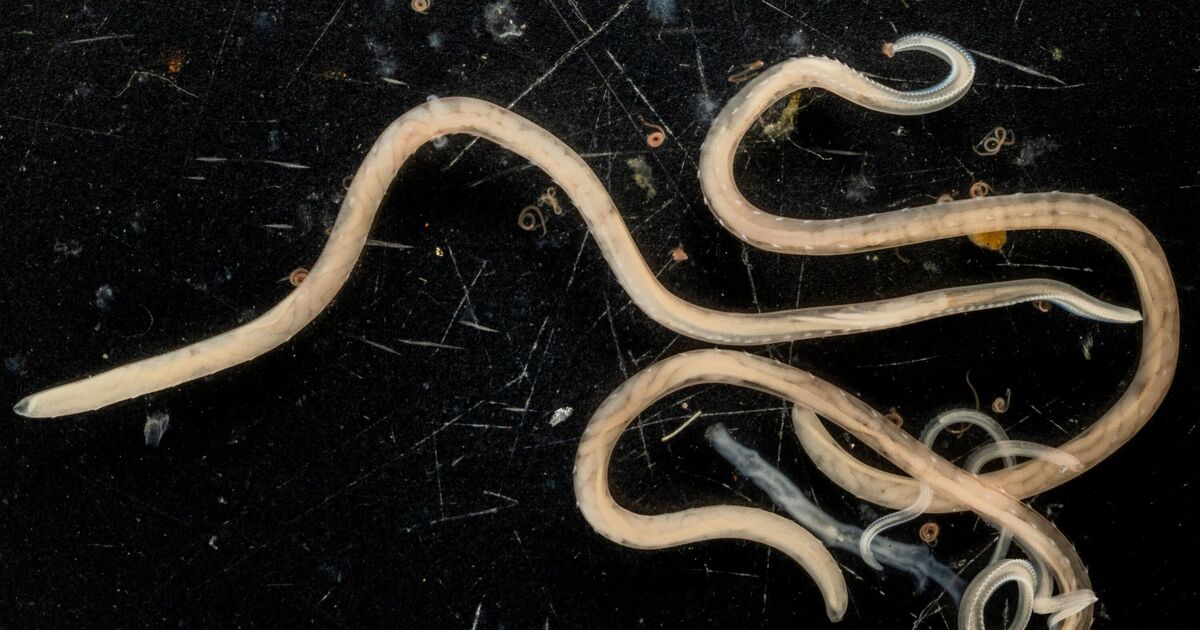
A dangerous parasitic tapeworm capable of causing life-threatening disease in humans and dogs has been confirmed for the first time in wild animals on the US West Coast, researchers reported. Scientists detected Echinococcus multilocularis in 37% of coyotes sampled in Washington state’s Puget Sound region, according to a study published March 24, 2026, in PLOS Neglected Tropical Diseases.
The findings mark the westernmost established presence of the parasite in wild hosts in the contiguous United States and signal its continued expansion across North America. The parasite, which produces cancer-like cysts in the liver and other organs, has long been a major public health concern in parts of Europe and Asia. In North America, it was historically rare, largely confined to remote Arctic areas with a less virulent strain.
Since the 2010s, a more pathogenic European-origin haplotype has spread rapidly through Canada and the S Midwest and East, infecting coyotes, foxes, dogs, and occasionally humans.
Lead author Yasmine Hentati, a recent University of Washington PhD graduate, said the high prevalence in local coyotes — over one-third of 100 samples — was surprising.
Ms Hentati noted: “This parasite is concerning because it has been spreading across North America.
“The fact that we found it here in one-third of our coyotes was surprising, because it wasn’t found anywhere in the Pacific Northwest until earlier this year.”
Coyotes and other canids serve as definitive hosts, harbouring adult worms in their intestines and shedding eggs in faeces, often without showing symptoms. Rodents ingest the eggs and develop cysts in their livers. Coyotes then become reinfected by eating those rodents, completing the cycle.
Humans and domestic dogs are accidental hosts. Infection occurs through contact with contaminated faeces, soil, water, or food. In people, it causes alveolar echinococcosis (AE), a slow-progressing disease with cysts that can spread like cancer. Symptoms may take 5–15 years to appear, complicating diagnosis and treatment. The World Health Organization classifies AE as one of the top 20 neglected tropical diseases.
No human cases have been reported on the West Coast yet, but seven dog infections have surfaced in Washington, Oregon, and Idaho since 2023, with five in Washington. Dogs can develop severe disease or act as carriers.
Genetic analysis linked the Washington coyote infections to the European-type strain already circulating in British Columbia, Canada, suggesting northward and westward movement, possibly aided by animal movement and urbanisation.
Experts urge vigilance. Pet owners should prevent dogs from hunting rodents or scavenging, maintain routine deworming, and consult veterinarians. Humans should practice good hygiene around wildlife areas, wash produce, and avoid contact with wild canid feces.
The study highlights limitations in current surveillance. Non-invasive fecal sampling may underestimate prevalence, underscoring the need for broader wildlife monitoring to track and mitigate spread.
As coyotes thrive in suburban and urban interfaces, the risk of spillover rises. Researchers call for increased awareness and proactive measures before the parasite becomes entrenched in the Pacific Northwest.
Ms Hentati said: “This is here, it’s pretty prevalent in the local coyote population, and people should be aware of potential risks.”


Peter Obi urges investment in children, preaches hope at Eid-el-Kabir

Why we dumped APC for ADC — Akinyelure, Edema

Shettima urges peace, unity at Eid-el-Kabir

TV bailiff accused of murder sobs, "I live with it every day"

FHC Judge, Justice Yunusa Dies

TV bailiff accused in wife's shooting death: "I didn't pull the trigger"

Quote of the day by Stephen Hawking: “The greatest enemy of knowledge is not ignorance, it is…”
- National2 days ago
Fallen Nation: While Terrorists Kill Nigerian Soldiers, General Bolaji Salami Builds Hotel and Laugh
- Breaking2 days ago
Repentant Boko Haram members are given N3m payoff after rehabilitation and placed on monthly salary of N50,000- man whose father was k!lled by the insurgents alleges (video)
- World1 day ago
Iran 'downs US drone' and 'shoots at American F-35 jet' as WW3 fears explode
- Breaking1 day ago
2027: Jonathan eligible to contest elections — Court rules, awards N21m fine against lawyer
- World3 days ago
Iran's supreme leader is holed up in undisclosed location, U.S. intel says
- National2 days ago
Breaking: Eid-ul-Adha: FG declares two-day public holiday
- World1 day ago
WW3 fears explode as European countries ask for help
- Breaking2 days ago
Family of behe@ded Oyo teacher pleads with President Tinubu for personal intervention, visit and recovery of his remains

