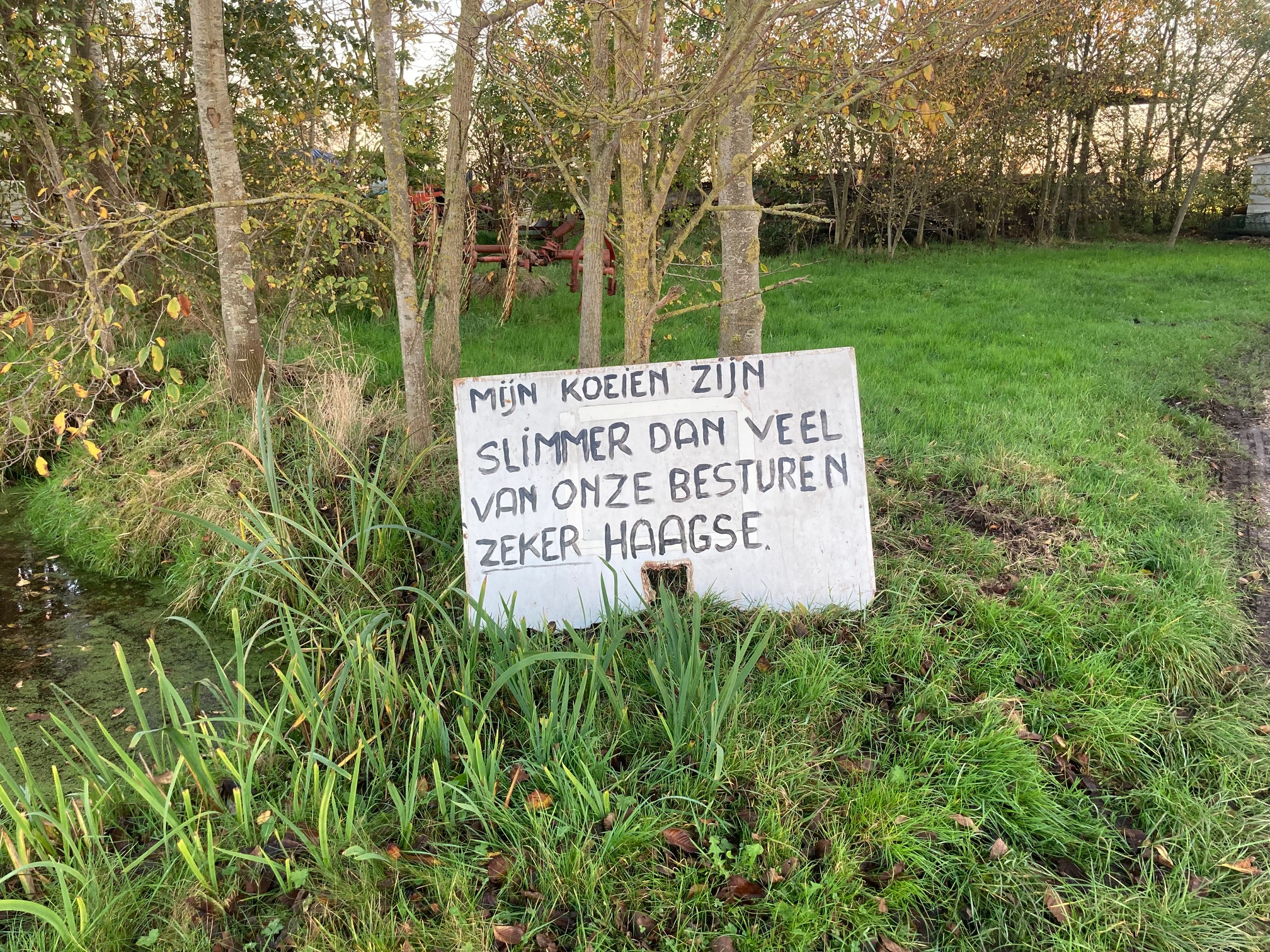
The Dutch government has approved a new €20 billion plan aimed at reducing nitrogen pollution across the Netherlands.
The measures are expected to help end years of delays affecting farming, housing, and construction projects caused by strict environmental rules.
Under the new plan, the government will create protected zones around some of the country’s most environmentally sensitive areas.
Farms and businesses located within one kilometre of 15 highly protected nature areas, including the Veluwe region, will be required to reduce their nitrogen emissions. Another 85 protected areas will have buffer zones of 500 metres.
Businesses in these zones will have to introduce cleaner methods, reduce pollution, relocate, or stop operating.
The government also plans to limit livestock farms to a maximum of 2.6 cows per hectare by 2035. However, officials say no farmer will be forced to sell their farm.
Speaking after the agreement, Farm Minister Jaimi van Essen said farmers would still be able to continue their work despite the changes.
“We think this package will meet the terms of the court ruling and we are confident it will,” he said.
Under the new proposals:
• Farmers must reduce ammonia emissions by between 42 and 46 percent by 2035 compared to 2019 levels.
• Industries and the transport sector must cut nitrogen oxide emissions by 50 percent.
• Areas surrounding Natura 2000 protected sites will require an additional 20 percent reduction in emissions.
• Farmers in protected zones must either modernise, reduce livestock, relocate, or stop farming.
• If voluntary targets are not achieved, the government may introduce mandatory livestock reductions.
The current nitrogen limit for new projects will remain unchanged until 2027, although provinces that have already increased the limit may continue using their existing rules.
The proposed legislation will be debated in parliament in October. The government hopes to finalise details of the protected zones by January and allow provinces to begin approving more building permits by the end of next year.
The nitrogen crisis began in 2019 after the country’s highest administrative court ruled that the government’s pollution policy violated European Union environmental laws protecting vulnerable habitats.
Since then, many housing and infrastructure projects have been delayed because of nitrogen emissions linked to construction activities.
Although previous governments have struggled to solve the problem, the current administration believes the new package will reduce pollution while allowing agriculture and construction to move forward.