Society
23 People Die in Ashanti Galamsey Pits as NADMO Warns of Rising Drowning Cases

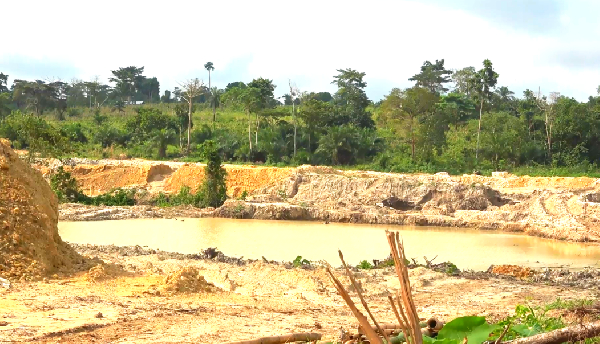
The Ashanti Regional Director of the National Disaster Management Organisation (NADMO), Alhaji Nasir Mohammed Ibrahim, has raised concerns over the increasing number of deaths caused by drowning in abandoned illegal mining pits, known as galamsey pits.
He described the situation as a major humanitarian challenge facing the region.
According to him, 23 people, including 12 adults and 11 children, died between January and June 2026 after drowning in abandoned galamsey pits across 19 districts in the Ashanti Region.
Speaking in an interview with GHOne News, Alhaji Ibrahim said NADMO recovered 19 bodies during the period, while four victims are still missing.
He explained that illegal mining activities continue in 23 districts across the region, increasing the risk of more deaths, especially during the rainy season.
The NADMO Director called on illegal miners, Metropolitan, Municipal and District Assemblies (MMDAs), and other stakeholders to work with NADMO to train and equip rescue divers and emergency swimmers to respond quickly to drowning incidents.
“The miners and assemblies must necessarily support NADMO to train and equip divers and rescue swimmers to curtail these fatalities in the second half of 2026 and beyond,” he appealed.
Alhaji Ibrahim also spoke about the benefits of drainage desilting and clean-up exercises being carried out across the region.
He said flooding often carries faecal matter, waste and other harmful materials into homes, kitchens, warehouses and bedrooms, increasing the spread of diseases such as cholera, typhoid and malaria.
He added that the situation also causes emotional and financial difficulties for affected families.
According to him, the continued clean-up exercises have helped reduce these risks by improving drainage systems and creating cleaner communities.
He said the campaign has also improved public awareness about proper sanitation and waste disposal, encouraging residents to avoid dumping rubbish into drains.
The NADMO Director further revealed that the organisation’s headquarters, together with some non-governmental and faith-based organisations, have been providing support to disaster victims across the country.
He mentioned The Church of Jesus Christ of Latter-day Saints, the Qatar Foundation, and Stanbic Bank Ghana as some organisations supporting flood victims in Accra through NADMO.
Alhaji Ibrahim called on companies, development partners, religious organisations and philanthropists to extend similar support to the Ashanti Region to improve disaster preparedness and emergency response.
He stressed that cooperation between government agencies, local authorities, private organisations and communities is needed to reduce disaster risks and protect lives and property.


Turkey: Mohamed Salah’s agent clears air on player joining Besiktas

Meet Chelsie Anderson: American woman who accidentally became a Mexican drug cartel queen

Driver and Mate Found Dead in Nkawkaw Hotel, Police Begin Investigation

FG charges three suspects linked to Oyo school abduction

EU border farce goes on as users discover horror fault in facial recognition tech

Mary Habila: Why Umahi shouldn’t have spoken publicly – Sam Amadi

Norway: Horror as hundreds flee their homes as huge fire devours more than 100 homes

 Society3 days ago
35-Year-Old Man Breaks Down In Tears Like A Baby At Roadside After Wife Reportedly Goes Missing At Kasoa Market
- News3 days ago
Retiree’s Pension Jumps From N18,000 To N206,000 After Government Reform
- Investigation3 days ago
Suspected ISWAP logistics supplier arrested with food items bound for terrorists in Borno
- Investigation2 days ago
R Kelly officially asks President Trump to end his 30-year prison sentence for s 3x crimes
- National3 days ago
JUST IN: Senate to give N10million each to families of security operatives, teachers killed in Oriire rescue
- National2 days ago
2026 Ballon d’Or: Top 4 players to win award ahead of World Cup final
- Investigation3 days ago
âThereâs nothing more absurd than the âEmi Lokanâ sloganâ â Falz knocks slogan of current administration
- Investigation3 days ago
Why Oyoâs rescue model canât be replicated in the North â Ex-DSS Assistant Director-General