World
Ancient Egyptian settlement discovered from era that fueled Exodus debate

This Video Is Trending Right Now
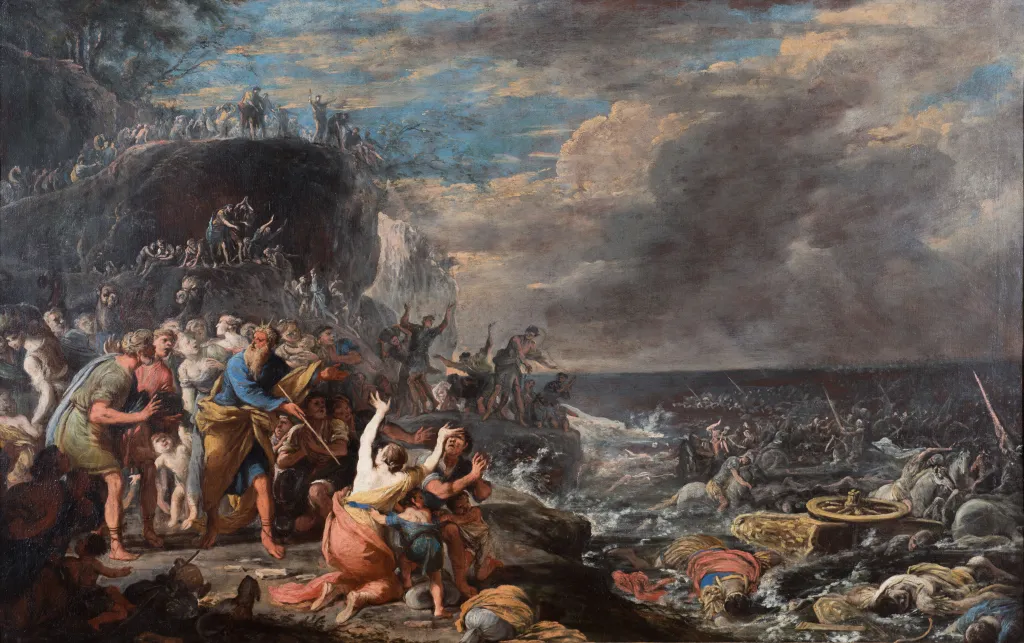
Archaeologists in Egypt have uncovered an ancient settlement dating back to the Second Intermediate Period, an era that has long figured in scholarly debates over the historical setting of the biblical Exodus.
The settlement was found at the Tell el-Koua site in the Wadi Tumilat region, an ancient corridor linking the eastern Nile Delta with Egypt’s eastern frontier.
The Egyptian Ministry of Tourism and Antiquities announced the discovery in late June.
It includes 15th Dynasty tombs and evidence that the site remained occupied into the 18th Dynasty, spanning the transition from Hyksos rule to the New Kingdom.
The Hyksos were rulers who controlled much of northern Egypt about 3,600 years ago before being driven out by the Egyptians.
While biblical scholars remain divided over when — or even whether — the Exodus occurred as described in the Bible, some have suggested the Hyksos period may provide historical context for the biblical account.
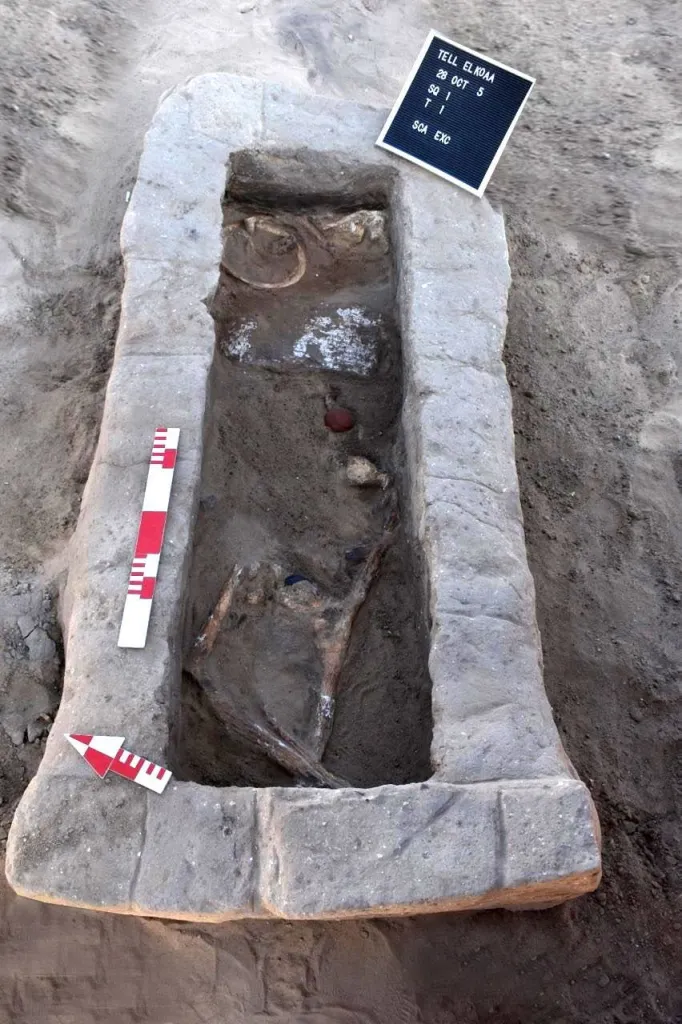
At the site, archaeologists uncovered 10 mudbrick tombs, the remains of homes, ovens used for production, grain storage silos and a walled neighborhood dating to the Second Intermediate Period.
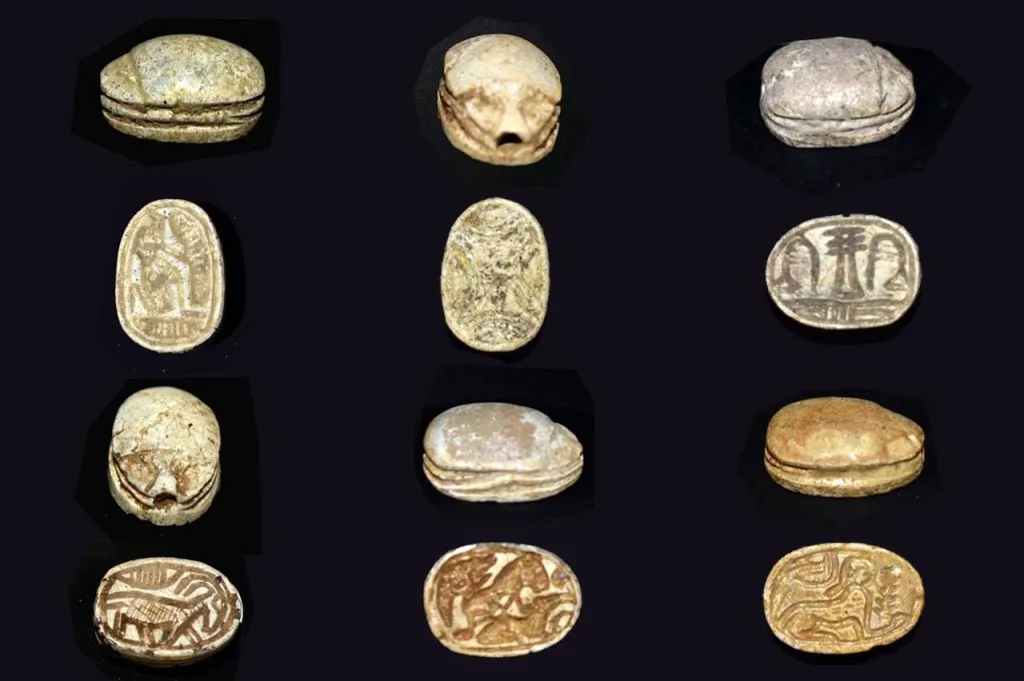
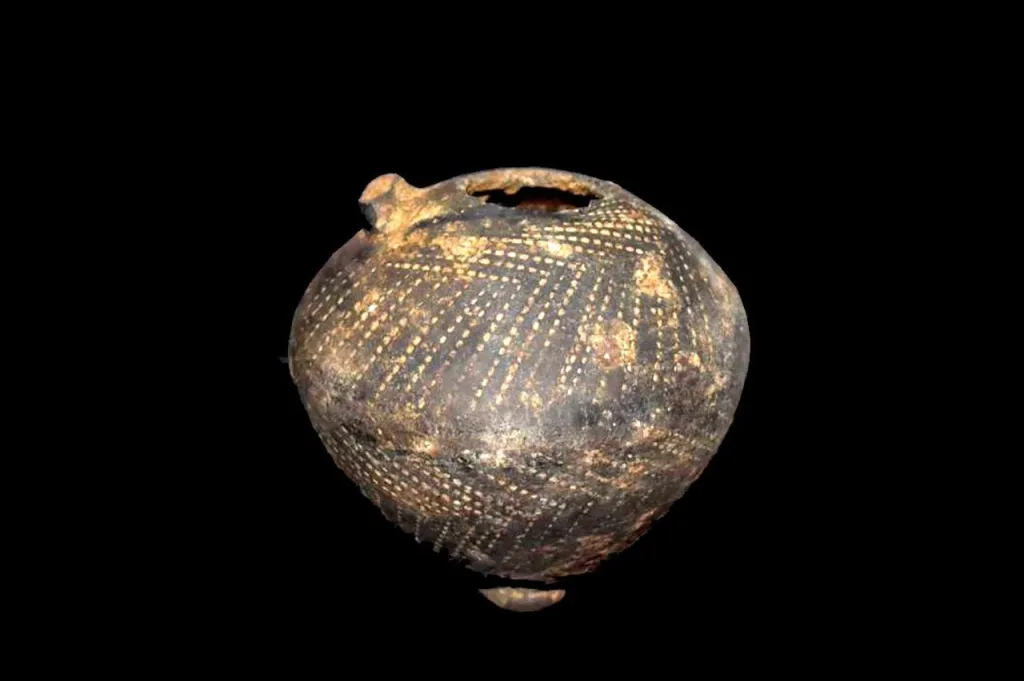
Archaeologists also recovered scarab amulets, bronze tools, pottery, alabaster cosmetic containers and human remains, along with animal bones believed to be linked to daily meals and funeral offerings.
Excavators also uncovered a roughly 98-by-197-foot residential complex still containing the remains of large halls and rooms, along with kilns and grain storage silos just east of the settlement.
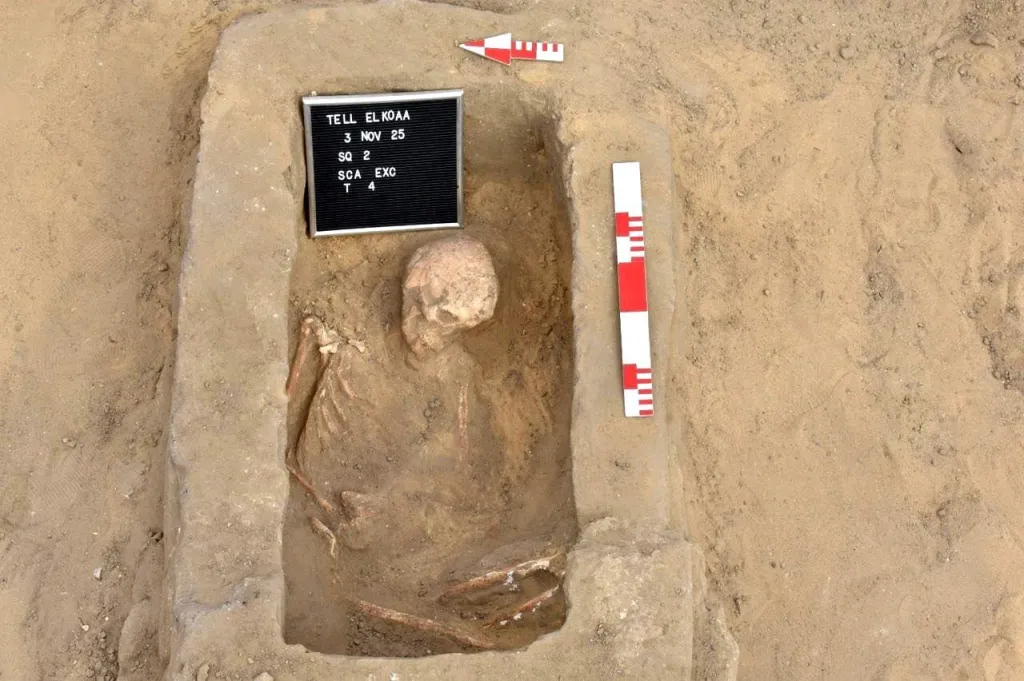
“For the first time at the site, archaeologists discovered human burials outside the mudbrick tombs, including some in a crouched position — an unusual burial practice that will require further study,” the translated statement said.
“Analysis of the pottery assemblage also indicates intensive daily use of the site, with tableware dominating the collection, followed by cooking vessels.”
Minister of Tourism and Antiquities Sherif Fathy said the discovery suggests the site functioned as an integrated community with residential areas, storage facilities, production areas and burial grounds.
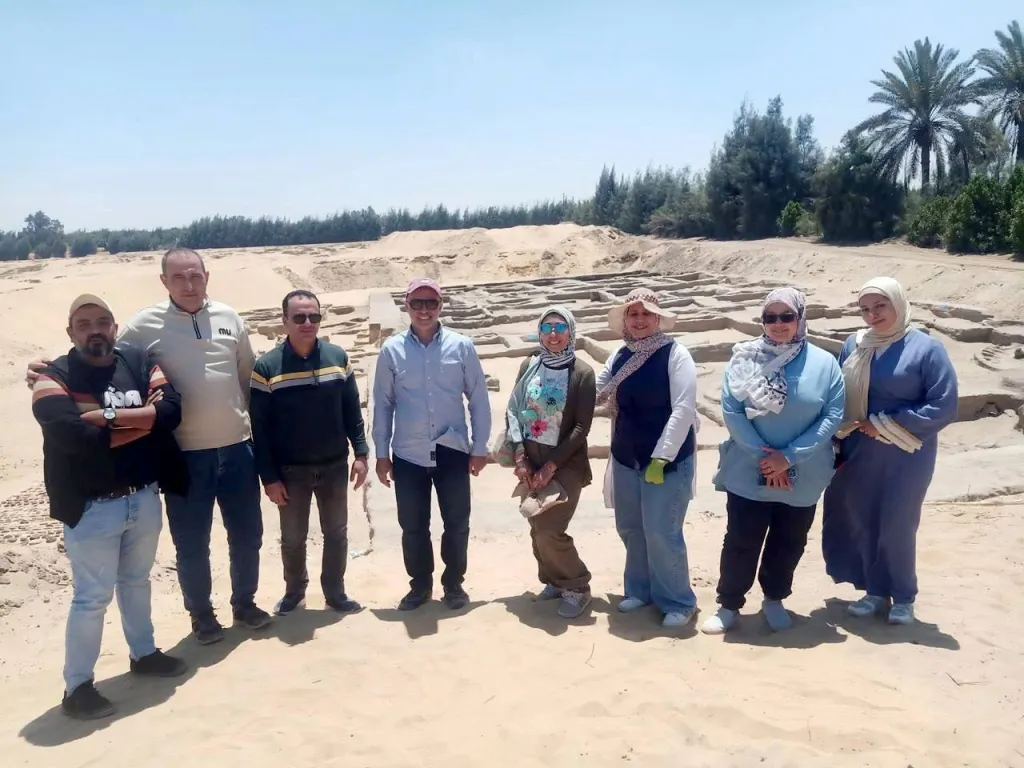
Fathy also “praised the efforts of Egyptian and foreign archaeological missions to uncover more of Ancient Egypt’s secrets,” the statement added.
The discovery follows another major archaeological find from Egypt’s Second Intermediate Period in 2025.
Last year, archaeologists in Egypt uncovered a rare 3,600-year-old pharaoh’s tomb buried 23 feet beneath the desert near Abydos.


Blue Economy: Nigeria records N1.83trn revenue, $86bn demurrage savings in maritime sector — Oyetola
Iâm free! – football star, Jay Jay Okocha jokes after dancing with his daughter at her wedding

Tinubu reports South Africa to AU over xenophobia, demands action

$947m July remittances highest monthly inflow – CBN

Ghanaian-Nigerian pastor found d3ad, colleague missing after abduction in Plateau

Troops intensify pressure on ISWAP, nab 15 suspects, neutralise scores in N/E

Edo power supply drive gets major boost as 100MW project targets December completion

 Investigation3 days ago
DSS arrest arms supply kingpin, dismantles terroristsâ networks in Katsina and Nasarawa
- Investigation3 days ago
Fela is not the sole originator of Afrobeats, Oliver De Coque contributed â Singer, Tekno
- Investigation3 days ago
Camera captures daycare worker putting wet wipes in kidsâ mouths and âslammingâ child on table
- Investigation2 days ago
My husband was set up. What happened between him and late Favour was ââtransaction gone wrong’ – R@pe suspect, Odogwu Assaba’s wife says
- News3 days ago
Ayra Starr Sparks Dating Debate With Bold Confession About Money
- News3 days ago
I’ll reopen Nigeria’s land borders if elected – Atiku
- Investigation2 days ago
Tinubu in panic mode over subsidy plan â Atiku responds to FGâs transport fare reduction target
- News3 days ago
Drug trafficking: Court extends KC Luxury’s detention by 30 days, freezes accounts