Society
Fragility fractures, major consequence of osteoporosis, says orthopaedic surgeon

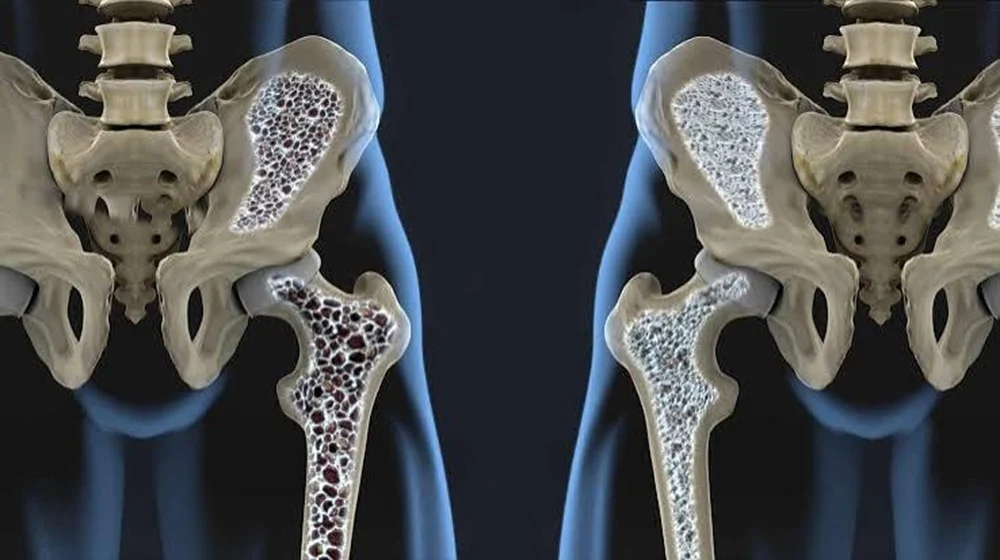
Orthopaedic surgeon, Dr Sunday Adeoye, has warned that fragility fractures—the most serious consequence of osteoporosis and other bone-weakening conditions—are emerging as a major public health concern, urging Nigerians to prioritise early diagnosis and preventive bone care.
He made the call while delivering a presentation titled “Fragility Fractures and Orthopaedic Interventions” at the inaugural meeting of The Osteoporosis Care Network (TOCAN) 2026, organised by First Health Dynamic Synergy International in Ibadan.
Adeoye explained that fragility fractures occur after minimal trauma that would not normally break a healthy bone, such as a fall from standing height or while lifting a relatively heavy object.
According to him, such fractures are strong indicators of poor bone strength and often point to underlying osteoporosis or low bone mineral density, even before confirmatory bone density tests are conducted.
“A simple fall should not result in a fracture in a healthy bone. When it does, it tells us there is a problem with bone strength that requires urgent medical attention,” he said.
The orthopaedic surgeon identified the hip, spine, wrist, proximal humerus (upper arm bone) and pelvis as the sites most commonly affected by fragility fractures.
He noted that vertebral fractures are the most common but frequently go undiagnosed because they are often mistaken for ordinary back pain associated with ageing.
ALSO READ: Chronic kidney disease now ninth leading cause of deaths globally — Lancet study
“Many older adults gradually lose height because of repeated compression fractures of the spine, but these warning signs are often overlooked,” he said.
Adeoye described hip fractures as the most devastating form of fragility fracture, noting that about 20 per cent of affected patients die within one year despite receiving treatment.
He added that wrist fractures are often among the earliest warning signs of osteoporosis, while hip fractures frequently lead to prolonged immobility, deep vein thrombosis, loss of independence, and worsening of existing medical conditions.
According to him, patients who sustain one fragility fracture have an 86 per cent higher risk of experiencing another within the next two years, underscoring the need for early diagnosis and intervention.
While osteoporosis remains the leading cause of fragile bones, Adeoye said other conditions—including osteomalacia, rickets, osteogenesis imperfecta (brittle bone disease) and renal osteodystrophy, a bone disorder associated with chronic kidney disease—can also significantly weaken bone strength.
He also stressed the importance of regular weight-bearing exercise, explaining that healthy bones require continuous mechanical loading to maintain their strength.
The orthopaedic surgeon urged healthcare professionals to maintain a high index of suspicion when evaluating older patients with persistent bone pain, warning that routine X-rays may fail to detect hairline and vertebral fractures.
He recommended further investigations, including bone mineral density assessment using Dual-energy X-ray Absorptiometry (DXA), where appropriate.
Adeoye advocated a multidisciplinary approach to managing fragility fractures, involving orthopaedic surgeons, geriatricians, physiotherapists, nutritionists, nurses and other healthcare professionals.
He maintained that early detection, prompt treatment and improved access to bone health services would significantly reduce disability, improve survival and help older adults maintain their independence.
“Fragility fractures are largely preventable. Early diagnosis and timely intervention remain our strongest tools for protecting bone health and improving quality of life,” he said.
Also speaking, bone densitometry researcher and radiographer, Mrs Ola Balogun said Dual-energy X-ray Absorptiometry (DXA) remains the gold standard for diagnosing osteoporosis and assessing bone mineral density, while lamenting the limited availability of the technology across Nigeria and many parts of Africa.
She described DXA as a low-radiation imaging technique that uses two distinct X-ray energy levels to differentiate bone from soft tissue.
Although the procedure relies on X-rays, Balogun noted that the radiation dose is extremely low—lower than many forms of natural background radiation to which people are routinely exposed.
Despite its clinical importance, she expressed concern over the uneven distribution of DXA scanners across Africa and urged healthcare providers and the public to embrace early bone health assessment as part of routine preventive healthcare.
Physiotherapist Dr Nse Odunaiya also called on Nigerians to embrace structured exercise as a key strategy for preventing osteoporosis.
According to her, ageing naturally leads to a gradual decline in body functions from around the age of 30, but regular physical activity can slow these changes and reduce the risk of osteoporosis.
“Scientific evidence has shown that people who exercise regularly experience age-related changes much later and more slowly than those who are physically inactive,” she said.
Odunaiya lamented the decline of physical education in schools, stressing that prevention must begin in childhood if Nigeria hopes to reduce the future burden of osteoporosis.
She also called for greater public education to address misconceptions about exercise and bone health, noting that cultural and religious beliefs sometimes discourage preventive health practices.


Transfer:Beşiktaş reject Saudi offer for Ndidi

Transfer: ‘I’m sad’ – Club Brugge manager, Leko laments as star player joins Arsenal

AIG urges cops in Gombe to uphold discipline, professionalism

Why we are pushing for integration of anti-corruption education into legal training – ICPC Chairman

2027: ‘He uses threat to life’ – Presidency reveals Peter Obi’s latest political strategy

Horror as mother, 22, charged with murder of toddler bound and left to suffocate

Kano Pension Board seeks court order to recover N5.3m sent to wrong account

 Investigation3 days ago
R Kelly officially asks President Trump to end his 30-year prison sentence for s 3x crimes
- National2 days ago
2026 Ballon d’Or: Top 4 players to win award ahead of World Cup final
- Society8 hours ago
Heartbroken Girlfriend Storms Studio To Remove Portrait Tattoo Of Cheating Boyfriend From Her Back
- Investigation3 days ago
Why Oyoâs rescue model canât be replicated in the North â Ex-DSS Assistant Director-General
- Investigation3 days ago
This DNA is a mustâ â Mohbadâs father says paternity test is key to uncovering singerâs death
- Investigation1 day ago
Woman forced to dance as punishment after allegedly being caught sneaking into a compound in Awka
- News3 days ago
Reps demand breakdown of ₦34tn Customs waivers, query revenue reporting
- World2 days ago
More than 500 people feared dead after 'boats carrying refugees capsize'