Society
From Potential to Reality: Reflections from NBCC Energy Day 2026

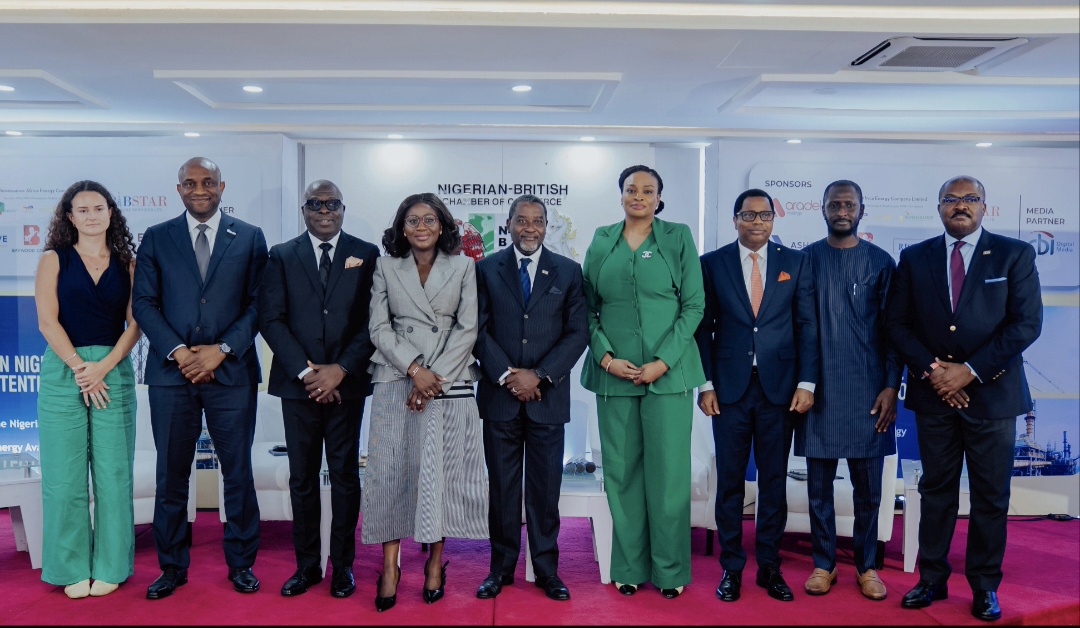
Attending the Nigerian British Chamber of Commerce (NBCC) Energy Day 2026 was a reminder of a conversation Nigeria has been having for years: our energy story has never been about a shortage of potential. It has always been about how we use that potential to move the nation forward and transform resources into value.
Under the theme “Energy in Nigeria: From Potential to Reality,” the conference brought together industry leaders, policymakers, investors, and other stakeholders to discuss one of the country’s most important economic questions: how do we move beyond promises and build an energy sector that delivers real value for Nigerians?
One of the most striking moments of the event was listening to the goodwill address delivered by Adegbite Falade, the Managing Director and Chief Executive Officer (MD/CEO) of Aradel Holdings Plc and Chairman of the Independent Petroleum Producers Group (IPPG), who noted that Nigeria has the resources, the people, the market, and the potential to become a stronger energy economy, but resources alone are not enough. A statement that captures one of Nigeria’s biggest challenges.
We often speak about what is possible, but the next stage of our energy journey requires us to focus on what is achievable and deliverable.
In his address, Mr Falade said, ‘‘Potential does not create jobs, attract long-term capital, or strengthen national resilience. Potential is only a promise. Reality is what happens when vision meets discipline, when policy meets execution, when capital meets confidence, and when resources are transformed into value. That is the journey before us”.
Nigeria is at an important point in its energy evolution. Across the world, energy systems are changing. Countries are thinking about energy security, affordability, sustainability, and the transition towards cleaner sources. For Nigeria, these are not distant policy discussions. They affect everyday life, from the availability of electricity for businesses to the ability of industries to compete globally.
The conversation highlighted that the future of Nigeria’s energy sector will depend on building systems that are reliable, efficient, and capable of supporting economic growth. A major focus was the role of indigenous energy companies in shaping that future. Local producers are not just participants in the sector; they are becoming key drivers of national development. Their proximity to assets and communities gives them a unique understanding of the realities on the ground, from operational challenges to opportunities for local impact.
Mr Falade emphasised that energy development must go beyond extract and export. The real value of Nigeria’s resources lies in what they enable: stronger local industries, more jobs, skills development, technology transfer, and improved livelihoods for the average Nigerian.
One area that received particular attention was natural gas. The message was that gas must be viewed not simply as a resource to export, but as a tool for development. It has the potential to power industries, support manufacturing, strengthen agriculture through fertiliser production, and improve access to reliable energy.
Elaborating on this, Mr Falade said ‘‘Gas is our future. The domino impact of gas on our economy is significantly greater than what we can get from oil. When you look at our geographic characterisation as a country, we are more of a gas nation than an oil nation, and we should not be apologetic about it’’.
This point connected with a broader discussion around power. No modern economy can thrive without dependable electricity. Energy availability influences everything from business growth and digital innovation to healthcare delivery and education.
When electricity works, the economy moves differently. Businesses can plan with confidence, entrepreneurs can scale, and communities can access opportunities that were previously limited by unreliable infrastructure.
The discussion also recognised the importance of Nigeria’s energy transition. Moving towards cleaner energy is necessary, but the approach must reflect Nigeria’s realities. The transition cannot ignore the country’s development needs or the millions of people who still lack adequate access to energy.
A practical transition means reducing emissions, improving efficiency, investing in renewable solutions, eliminating routine flaring, and embracing cleaner technologies while ensuring that energy remains affordable and accessible.
As the conversations continued throughout the day, one message became increasingly clear: Nigeria’s energy future will not be determined by the size of its reserves or the strength of its ambitions alone. It will be determined by execution, resilience and discipline.
The next chapter of the country’s energy story requires moving from plans to projects, from policies to execution, and from potential to measurable outcomes – alongside a deliberate effort to derive greater in-country value from every barrel of liquids/gas.
The success of Nigeria’s energy sector will ultimately not be judged by the number of conferences held or strategies announced. It will be seen in the reliability of power supply, the growth of industries, the competitiveness of businesses, and the opportunities created for citizens.
Leaving NBCC Energy Day 2026, the takeaway was simple: Nigeria does not need to discover its energy potential. It needs to build the systems that allow that potential to become reality.


Group urges peaceful Osun poll

Medical experts argue against Hegseth’s testosterone obsession

Nigerian Newspapers: 10 things you need to know Saturday morning

Lineage fined for flies, smell and ‘unsanitary’ conditions after Boyle Heights warehouse fire

D4vd Had Sexual Relationship With Teenager, Detective Testifies in Murder Case

Again! Zenith Bank Takes Top Spot In 2026 Euromoney Awards

Setback for Trump administration as US court rejects bid to revive US$ 1,00,000 H-1B visa fee

 Investigation3 days ago
Married woman humiliated after allegedly being caught cheating on her husband with another man in Kogi community
- Investigation2 days ago
âIt is an honour to stand with you in fight against terroristsâ- Trump tells Tinubu
- Society2 days ago
FULL TEXT: Trump’s letter to Tinubu
 Breaking1 day ago
âFailed nation, failed parenting and lack of home training’- Lawyer, Deji Adeyanju blasts podcast host for saying a poor man has no place in her heart’
- Investigation3 days ago
âDon’t let anyone pressure you to stop repeating your clothesâ â Businesswoman Sharon Adeleke encourages repeating outfits
- News3 days ago
Yomi Gold Breaks Silence After Business Losses
- Investigation2 days ago
ââGo home, Nigeria is your home. We wonât accept you in South Africa”- South African women hurl anti-immigrant slurs at former Miss Universe Nigeria, Chidimma Adetshina amidst her deportation court case
- Society3 days ago
Etafia appointed Young Africans goalkeeper trainer