World
Germany issues huge change to rules as it’s crippled by workers calling in sick

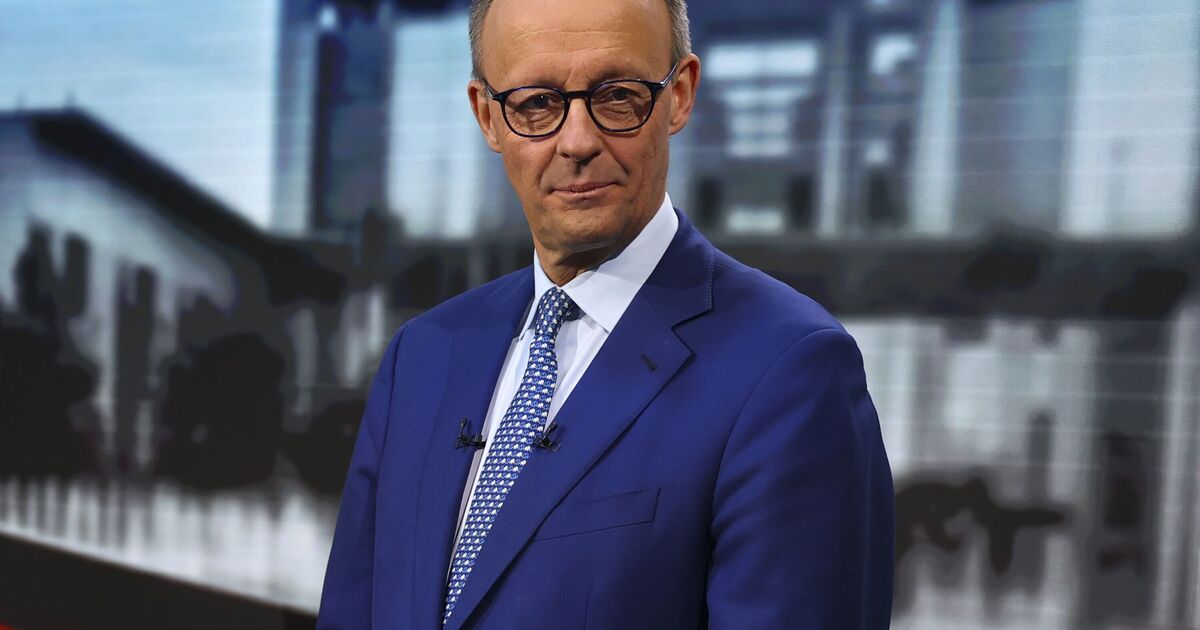
Chancellor Friedrich Merz says Germany can no longer afford high levels of sickness absence (Image: Getty)
Germany is set to overhaul its sick leave system after Chancellor Friedrich Merz announced plans to scrap telephone sick notes and require workers to provide a medical certificate from the first day they are ill.
The changes form part of a wide-ranging package of economic reforms aimed at boosting productivity and helping revive Europe’s largest economy, which has struggled with sluggish growth, rising energy costs and increased international competition.
Announcing the reforms, Mr Merz said Germany could no longer tolerate the country’s high levels of sickness absence.

Germany is set to require workers to provide a doctor’s note from the first day of illness (Image: Getty)
“We can no longer accept the extraordinarily high levels of sick leave in our companies,” he said.
“We are abolishing sick leave by telephone and introducing the requirement to submit a medical certificate from the very first day of illness.
“We know this is a tough decision. But we can no longer afford this competitive disadvantage caused by prolonged absences from work.”
The reforms come as economists and employers have raised concerns that lengthy periods of sickness absence are weighing on Germany’s economic performance.
Alongside the changes to sick leave, the coalition government has unveiled a package of measures including €10 billion in annual tax relief for lower-income earners, plans to build more affordable housing, tougher action against benefit fraud and an 8% reduction in staffing across federal ministries through digitisation.
The tax cuts will be funded in part by increasing the top rate of income tax from 45% to 47% for those earning €280,000 or more each year.
The government is also planning to make it easier for businesses to hire workers on fixed-term contracts as part of efforts to reduce red tape and improve labour market flexibility.
Mr Merz said the reforms were essential to restore Germany’s competitiveness.
“We want to get Germany back on track,” he told reporters.
Economists broadly welcomed the announcement after months of disagreement within the governing coalition.
Carsten Brzeski, global head of macro at ING, described the package as a major turning point.
“The reform train has no brakes… this is a substantial package designed to strengthen Germany as a business location in the long run and put public finances on a sustainable footing,” he said.
“One is tempted to shout, ‘Finally!’ It took a year, but the ‘summer of reform’ has arrived.”
Employers’ Association president Rainer Dulger also welcomed what he called a “long-overdue change of course”.
However, the reforms have drawn criticism from trade unions and medical professionals.
Christiane Benner, chair of Germany’s largest union IG Metall, welcomed the tax cuts but said expanding the use of fixed-term contracts represented “an attack on workers’ rights”.
Meanwhile, Markus Blumenthal-Beier, head of the German Association of General Practitioners, warned that requiring employees to obtain a doctor’s certificate from the first day of illness would place additional pressure on family doctors.
He described the proposal as “absolutely catastrophic”, arguing it would clog up Germany’s healthcare system.
The reforms also include plans to overhaul Germany’s pension system. A government-appointed commission has proposed introducing a Swedish-style pension fund and gradually increasing the retirement age as the country’s population continues to age.
The government says it intends to pass the pension reforms before the end of the year as part of one of the country’s biggest economic reform packages in decades.


FUT Minna tightens security, expands hostels after students’ protest

President Tinubu mourns with longtime ally over wife’s death

South Africa repatriation flights fully funded by government – FG
South Africa repatriation flights fully funded by government – FG

FG, north central states push reforms on women’s finance, child protection

INTERPOL, FBI arrest Nigerian man in Ghana over alleged cybercrime and U.S bank card fraud

Equities investors lose N878bn as bearish run deepens despite surge in trading

 World2 days ago
Boy, 3, pulled alive from rubble six days after Venezuela earthquake disaster
- Society22 hours ago
Outrage As Video Of Primary Schoolgirls Smoking And Drinking Surfaces Online
- Breaking3 days ago
Community leader and woman k!lled in fresh Plateau attacks
- Breaking23 hours ago
Nigerian nun in tears as she’s released after being arrested by ICE while walking to Mass in the US (video)
- Society6 hours ago
Iyabo Obasanjo clarifies father’s real age
- Investigation3 days ago
Phone snatchers st@b 300-level varsity student to d3ath in Abuja
- Investigation3 days ago
WhatsApp to let users chat without sharing phone numbers
- Investigation2 days ago
V!olence against women declines from 9% to 5% in six yearsâ UN Women