World
This 294-Million-Year-Old Fossil Preserved Something Scientists Almost Never Find

This Video Is Trending Right Now
It’s a big year for the do-it-all butthole known as the cloaca: the all-purpose pee, poop, and reproductive chute found in birds, reptiles, amphibians, and even a few mammals. Earlier this year, researchers identified what appears to be the first fossilized imprint of a reptilian cloaca. Now, according to a new study published in iScience and reported by IFLScience, researchers have found evidence of another cloaca, this one belonging to a 294-million-year-old relative of mammals.
Scientists from Berlin’s Museum für Naturkunde were studying fossilized footprints and a tail drag left behind by Dimetropus, an ancient synapsid that lived long before the dinosaurs. They noticed two rows of raised scales near the base of the tail that surrounded what looks like the imprint of a cloaca.
This appears to be the oldest known evidence of a cloaca in the mammalian lineage, and the first found in a synapsid trace fossil.
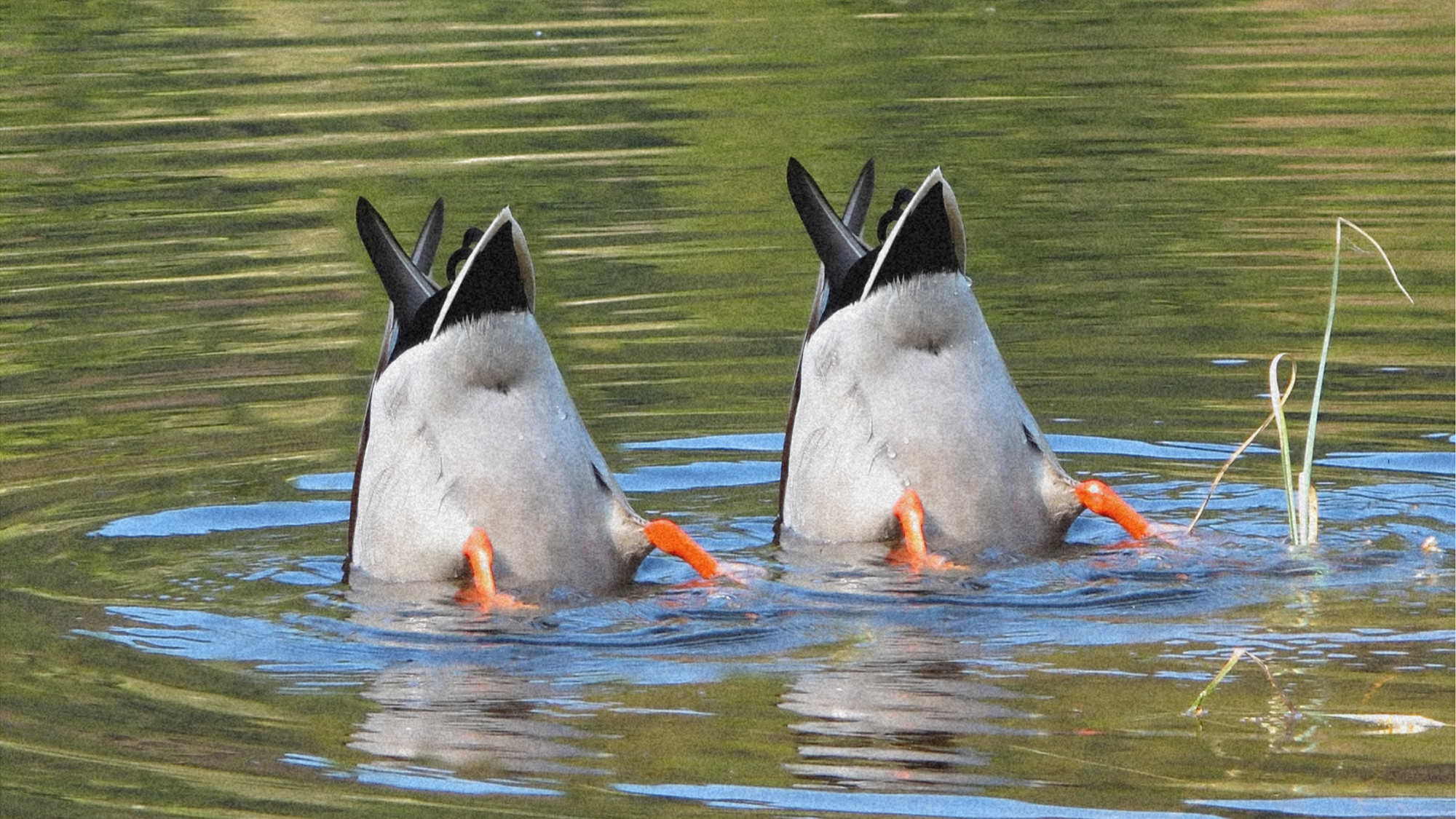
Or, to put it another way, it’s the earliest known evidence of a mammal having a multipurpose butthole.
What Makes This Fossilized Cloaca Find So Impressive
Scientifically speaking, the finding also suggests that early tetrapods may have had vertically oriented cloacas instead of the horizontal arrangement seen in many modern animals. As for why its spectacularly useful butthole was up ways instead of sideways, scientists aren’t quite sure, but they have some theories. Maybe it had something to do with their reproductive anatomy, or maybe it was influenced by its environment, or maybe it had something to do with regulating body temperature through moisture loss. A lot of ideas but nothing definitive yet.
The find is especially impressive since soft tissues rarely fossilize, but we are also in a golden age of researchers finding fossilized soft tissue, as just a few weeks ago it was announced that paleontologists from the University of Oklahoma found a “one in a million” 450 million-year-old fossil that had some of its soft tissue preserved.
In the case of the Dimetropus, mud preserved the impression it left behind, letting the researchers reconstruct its anatomy, which would normally have disappeared way before fossilization occurred.
We’re still discovering new things about the butts of creatures that died hundreds of millions of years ago. Ah, the wonders of paleontology.


Bridgewater Associates ex-recruitment boss reveals the secret ‘unpopularity’ interview test he used on hundreds of candidates at the hedge fund

The Pete behind Jersey Mike’s was only 17 years old when he borrowed $125,000 to buy the chain—with some help from his high school football coach

ISWAP Senior Finance Chief Surrenders to Nigerian Army in Borno

Dikko confirms houses, $100k largesse paid to Falcons

Atiku-linked US lobbying firm renews push for release of Tinubu’s records

Wildfire forces another 55,000 people to evacuate in southwest France

The Problem With the ‘Dating Down’ Trend

 Breaking2 days ago
âFailed nation, failed parenting and lack of home training’- Lawyer, Deji Adeyanju blasts podcast host for saying a poor man has no place in her heart’
 News3 days ago
Court rejects Bello Bodejo's request to review ₦2 billion bail conditions
- Society3 days ago
Mid-Year Budget Review: Government Allocates GH¢400 Million For New Buses To Boost Public Transport Fleet
- Investigation3 days ago
US didnât detain our President after World Cup Final – Argentine FA says
 News3 days ago
Court Delays Trial Of Alleged Abuja Land Grabbers Over ₦500m Fraud Case
- Investigation2 days ago
Chelseaâs Garnacho joins Aston Villa on loan
- News3 days ago
Businesswoman Loses ₦1m Goods After Exhausting Lagos Trip
- Investigation3 days ago
My past comments about Tinubu now baseless, not lies â Daniel Bwala