National
Wole Soyinka at 92: Nigeria’s literary titan, Africa’s conscience and global intellectual powerhouse, by Ehi Braimah

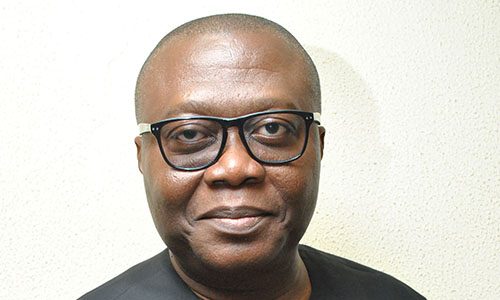
There are writers, there are intellectuals, and there are moral giants whose influence transcends literature to shape the conscience of nations. Professor Akinwande Oluwole Babatunde Soyinka belongs unmistakably to the latter category. As he celebrates his 92nd birthday, the world salutes not merely Nigeria's greatest literary icon, but one of humanity's most enduring champions of justice, freedom and the dignity of the human spirit.
For over seven decades, Wole Soyinka (Kongi) has stood as an unyielding voice against oppression, tyranny and intolerance. His life has been defined by extraordinary courage, immense scholarship and a solid commitment to truth, regardless of the consequences. He is not simply a Nobel laureate; he is an institution whose intellectual influence stretches from Africa to Europe, the Americas and Asia.
I had the chance of a close encounter with Kongi in August 2023, when Jahman Anikulapo, my brother, friend and colleague (Anikulapo is Editorial Director of Naija Times) and Soyinka’s trusted mentee, invited me to a Public Exchange, titled “Isese, Samarkand and Other Markets of the Mind,” held at Kongi’s Harvest Art Gallery, Freedom Park, Lagos. The Isese masterclass in public intellectual engagement was far more than a lecture on Yoruba traditional religion – it became an important conversation on religious freedom, cultural identity, intellectual inquiry and democratic values.
At the Isese forum, we had journalists, academics, writers, lawyers, artists, theatre practitioners, traditional religious adherents, diplomats, and cultural enthusiasts. The interdisciplinary gathering of minds reflects Soyinka’s remarkable ability to convene diverse audiences.
The event came against the backdrop of controversy surrounding the celebration of Isese Day, particularly in Kwara State, where traditional worshippers faced hostility. Soyinka argued that Isese is not antagonistic to Christianity or Islam, but represents a legitimate spiritual and philosophical tradition deserving equal respect under Nigeria’s Constitution. He maintained that those who sought to suppress other people’s beliefs demonstrated insecurity rather than religious strength.
That’s Kongi for you, a global intellectual giant and highly respected cultural influencer. By describing Isese as a “quest for illumination of the human condition,” Soyinka shifted the discussion beyond ritual and religion. He presented Isese as a repository of ethics, philosophy, history, aesthetics, and indigenous knowledge. In doing so, he challenged long-held prejudices that equate African traditional beliefs with superstition, inviting Nigerians to engage seriously with their own civilisational heritage.
What I found interesting was that Soyinka didn’t deliver a lecture, but engaged in an extended dialogue, fielding questions and encouraging debate. This reinforced his lifelong belief that knowledge flourishes through critical inquiry rather than dogma.
After the Isese event, Anikulapo was able to get Soyinka to be interviewed for a recorded goodwill message for the third anniversary of Naija Times which held in Abuja on October 19, 2023. His message was that the media must be independent and influence purposeful leadership.
When Soyinka became the first African to receive the Nobel Prize in Literature in 1986, the award recognised far more than literary brilliance. It honoured a writer who had expanded the boundaries of world literature while remaining deeply rooted in African history, mythology and philosophy. His Nobel Prize became a defining moment not only for Nigeria but for the entire African continent, affirming that African voices deserved equal recognition on the world’s highest literary stage.
Soyinka’s remarkable body of work remains one of the richest contributions to modern literature.
His plays continue to challenge audiences with their depth, symbolism and political relevance. The Lion and the Jewel brilliantly explores the tensions between tradition and modernity. The Strong Breed examines sacrifice and communal responsibility. Death and the King’s Horseman, widely regarded as one of the greatest plays ever written, masterfully interrogates colonialism, cultural misunderstanding and moral obligation. A Dance of the Forests, commissioned during Nigeria’s independence celebrations, remains a timeless reminder that nation-building requires honest confrontation with history rather than romantic self-deception.
His novels equally occupy an honoured place in world literature. The Interpreters captured the complexities confronting Nigeria's post-independence intellectual class, while Season of Anomy explored resistance against corruption and authoritarianism. His memoirs – including Ake: The Years of Childhood, You Must Set Forth at Dawn and The Man Died – offer profound insights into both personal experience and national history. His essays consistently display the razor-sharp intellect and fearless honesty that have become his trademarks.
Beyond literature, Soyinka’s poetry possesses remarkable emotional and philosophical depth.
His verses weave together mythology, politics, spirituality and human suffering, demanding thoughtful engagement from readers while rewarding them with profound insight. His command of language remains extraordinary, effortlessly combining Yoruba cosmology with universal themes that resonate across cultures.
Yet it is impossible to celebrate Wole Soyinka without acknowledging his lifelong activism.
Throughout his life, he has repeatedly placed principle above personal comfort. During Nigeria’s civil war, he courageously sought peaceful dialogue and paid dearly for it, enduring solitary confinement for nearly two years.
Rather than silence him, imprisonment strengthened his resolve. His prison writings remain among the most compelling testimonies to the resilience o the human spirit.
Across successive military dictatorships and civilian administrations alike, Soyinka has consistently spoken truth to power. He has criticised injustice wherever he has found it, refusing to align himself permanently with any political establishment. His loyalty has always been to democratic values, human rights and the welfare of ordinary citizens rather than to transient governments or political personalities.
His moral courage has inspired generations of journalists, academics, students, lawyers, playwrights and civil society activists throughout Africa and beyond. Even those who disagree with his opinions readily acknowledge the integrity that underpins his convictions.
Professor Soyinka’s influence extends well beyond Nigeria’s borders. Few African intellectuals command such an extensive global network. He has taught at leading universities across the world, including institutions in Nigeria, the United Kingdom, the United States, and the United Arab Emirates, enriching generations of students with his vast knowledge of literature, theatre, history and political thought. As a visiting professor, lecturer and public intellectual, he has become one of Africa’s most respected ambassadors in global academia.
His friendships and professional relationships span Nobel laureates, presidents, diplomats, artists, philosophers, actors and fellow writers from every continent. He has shared platforms with world leaders while remaining equally comfortable engaging young students in classrooms and public forums. His influence cuts across disciplines, making him not merely a literary figure but a global statesman of ideas.
International organisations frequently seek his counsel on democracy, cultural identity, freedom of expression and conflict resolution. Universities continue to honour him with numerous honorary doctorates and distinguished fellowships. Literary festivals across the world celebrate his contributions, while scholars devote entire careers to studying his works and philosophy.
One of Soyinka’s greatest achievements has been his ability to bridge Africa and the wider world without sacrificing his cultural authenticity. He has never diluted his African identity to gain international acceptance. Instead, he has demonstrated that authentic African experiences possess universal relevance. His writings affirm that local histories, indigenous beliefs and African traditions deserve equal space within global intellectual discourse.
His passion for theatre has similarly transformed African performance traditions. Through the Orisun Theatre Company and countless productions, he elevated African drama onto the international stage while nurturing generations of playwrights, actors and directors. Many of Africa’s leading literary voices acknowledge Soyinka as mentor, inspiration or intellectual guide.
At 92, his curiosity remains undiminished. He continues to write, travel, lecture and participate in conversations about democracy, governance, security, education, cultural preservation and global affairs. His voice retains its unmistakable authority because it is anchored not in political expediency but in lifelong consistency.


You have abandoned students, teachers abducted in North – Middle Belt Forum tells Nigerian govt

Senate approves â¦50m for families of Security Personnel and Teachers k!lled in Oyo rescue operation

Vector Rejects Bride Price Ownership Belief in Yoruba Marriage Tradition

Kogi Govt Takes Action Following Abduction of School Principal, Students

Falz Slams Government Spending, Calls Emi Lọkan Slogan Absurd

Senate approves N50m to families of teachers, soldiers killed in Oriire abduction

Saudi Arabia is building a giant car-free region beside the Red Sea, but its futuristic city plans have changed

 Investigation2 days ago
Each and every one of you is guilty РDanish aid worker Anja Ringgren Lov̩n slams Nigerians filming malnourished child accused of being a witch in viral video
- National2 days ago
Gbajabiamila: I borrowed N400 million to buy appointment in Tinubu’s government, says Adeyemi
- Investigation3 days ago
Parents to pay â¦50,000 to register each child for WAEC or NECO SSCE as govt approves 82% increase
- Investigation1 day ago
Veterans demand â¦250,000 Minimum Wage for soldiers
- Investigation3 days ago
âI disagree with youâ – Isaac Fayose knocks Remi Tinubu over calls for singers Davido, Burna Boy, Asake to help poor Nigerians
- Investigation2 days ago
Twelve people arrested after âextreme right-wing terror threatâ against Islamic event in UK
- Investigation2 days ago
Female teacher admits to having s£x with boy, 16, as she splits from husband who first exposed her misconduct.
- Investigation1 day ago
Court remands man for impregnating own daughter in Adamawa