Breaking
Tinubu orders comprehensive reform of Nigerian football

Advertisement
Advertisement
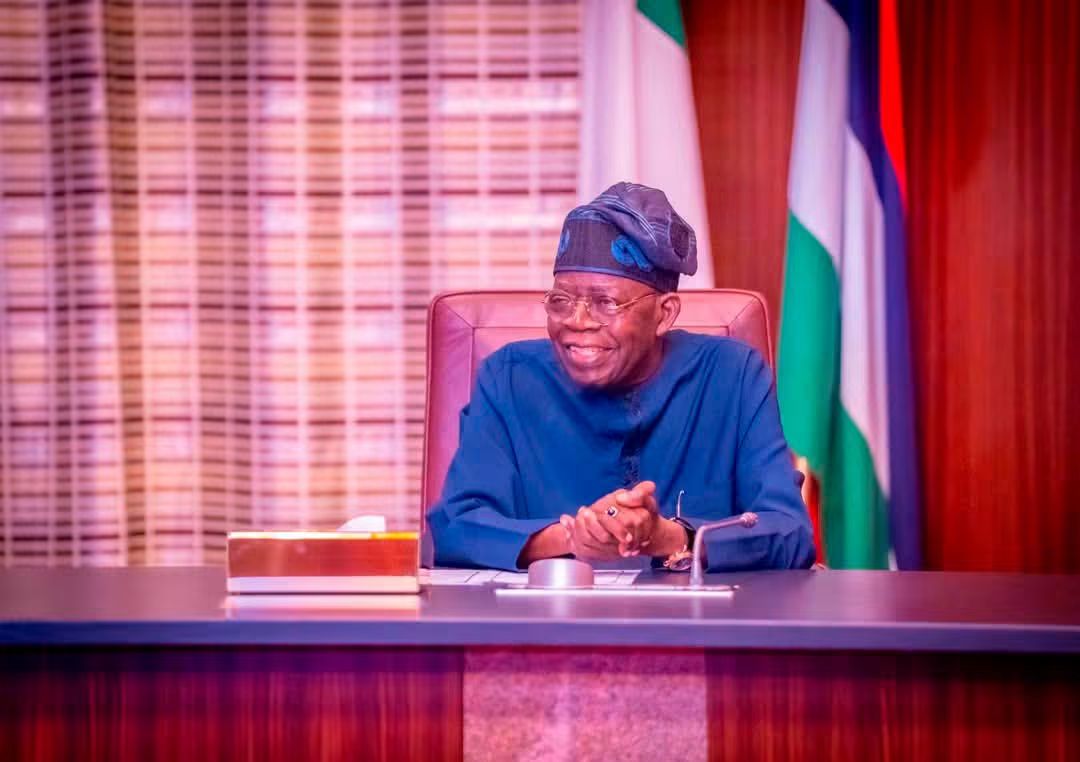
President Bola Tinubu has directed a comprehensive reform of Nigerian football following repeated failures by the country’s national teams to qualify for major regional, continental and global competitions.
The President said the reform would address longstanding structural weaknesses in the administration and development of football in Nigeria, including governance, stakeholder representation, development pathways, domestic competitions and accountability.
Mr Tinubu gave the directive in a statement issued by his Special Adviser on Information and Strategy, Bayo Onanuga, on Thursday.
“The reform must respond to a longstanding need to strengthen governance, administration, stakeholder representation, development pathways, domestic competitions and accountability across Nigerian football,” the President said.
The directive comes amid growing concerns over the performance and administration of Nigerian football, particularly the inability of the Super Eagles and other national teams to consistently qualify for major international tournaments.
Nigeria, despite its rich football history and abundance of talented players, has in recent years experienced setbacks in qualification campaigns and poor performances in some international competitions.
President Tinubu said the situation had become particularly concerning given the enormous popularity of football in the country and the level of public resources, investment and attention devoted to the sport.
He noted that other sports had recorded meaningful progress since the Federal Government’s reset of the sports sector through the re-establishment of the National Sports Commission.
According to him, football has continued to struggle largely because of structural deficiencies within the system.
“Football, Nigeria’s most popular sport and the greatest beneficiary of public support, investment and national attention, has continued to struggle basically due to structural deficits within the system,” Tinubu said.
The President said Nigeria could no longer afford to allow its football administration and development structures to lag behind the quality of talent available in the country.
He stressed the need to align Nigeria’s exceptional football talent, widespread passion for the sport and available resources with stronger institutions capable of delivering sustained success.
“Football must begin to match the country’s exceptional talent, passion and resources with stronger institutions and sustained performance,” he said.
As part of the reform process, Tinubu directed the Chairman of the National Sports Commission to work with the secretariat of the Nigeria Football Federation (NFF) and other relevant football stakeholders.
The President said the collaboration should ensure continuity in essential football administration while creating an avenue for a broad and consultative reform process.
The directive is expected to involve consultations with key actors within Nigerian football, including administrators, clubs, players, coaches and other stakeholders, as the government seeks to address institutional and developmental challenges affecting the sport.
Tinubu also directed that the reform process should involve appropriate engagement with the Fédération Internationale de Football Association (FIFA) and the Confederation of African Football (CAF).
He, however, stressed that such engagement must be undertaken while safeguarding Nigeria’s obligations within the international football framework.
FIFA has traditionally insisted on the independence of national football associations from undue government interference, making consultation with the global football governing body particularly relevant to any government-led reform of the NFF and the wider football administration.
The President’s directive is therefore aimed at achieving institutional reforms without compromising Nigeria’s standing and obligations within international football.
The reform will also examine Nigeria’s football development pathways and domestic competitions, areas considered critical to the production of quality players for national teams and professional clubs.
Nigeria has historically produced some of Africa’s most prominent footballers, with many of them emerging from grassroots football, domestic competitions and youth development programmes before establishing themselves internationally.
However, concerns have persisted over the state of domestic football, infrastructure, youth development and the administration of national teams.
The government’s proposed reforms could therefore have implications beyond the Super Eagles, potentially affecting the development and administration of the women’s national teams, age-grade teams and domestic competitions.
The President called on football stakeholders and Nigerians to support the transition and work collectively towards building a football system that is more transparent, accountable and successful.
He said the objective was to create a stronger institutional foundation capable of translating Nigeria’s enormous football potential into sustained success at regional, continental and global levels.
The directive was contained in a statement signed by Onanuga and dated August 27, 2026.


Nigerian Man Arrested in Gambia With 9020 Ecstasy Tablets

Customers Turn Restaurant Into “Romantic Spot” As They Were Caught On Camera ‘Eating’ Themselves At The Restaurant

Atiku Vows to End Nigeria Insecurity Within One Year if Elected

Adekunle Gold Reveals Painful Story Behind 2019 Hit Simile

Omokri reacts to Atiku’s plans to reopen borders, restore fuel subsidy

Troops neutralise scores of terrorists, recover arms, motorcycles in Sokoto

Atiku Claims Tinubu Is 90 and Vows to Prove It in Court

 Investigation3 days ago
K!ller Robots could target humans â UN and Red Cross warn
- Investigation3 days ago
Kano man opens fire at neighbourâs wedding ceremony over loud music, k!lls one guest and injures four others
- Society2 days ago
Government Of Ghana Declines MTN’s GH¢20 Million Donation For Victims Of South African Xenophobic Attacks
- Investigation3 days ago
Judge rejects Ghislaine Maxwellâs bid to throw out conviction for aiding Jeffrey Epstein s3xually abuse teenage girls
- Investigation3 days ago
No African university in worldâs top 100 – Good luck Jonathan laments
- News2 days ago
Naira Holds Firm as Dollar Stays Near ₦1,347
- Investigation2 days ago
Gospel singer, Neon Adejoâs wife defends him, asks photographer David Martins to address abuse allegations
- Investigation2 days ago
Iâd be worth â¬150m If I played in todayâs football era â Yakubu Aiyegbeni