Breaking
Tinubu outperformed every Nigerian democratically elected president, says APC

Advertisement
Advertisement
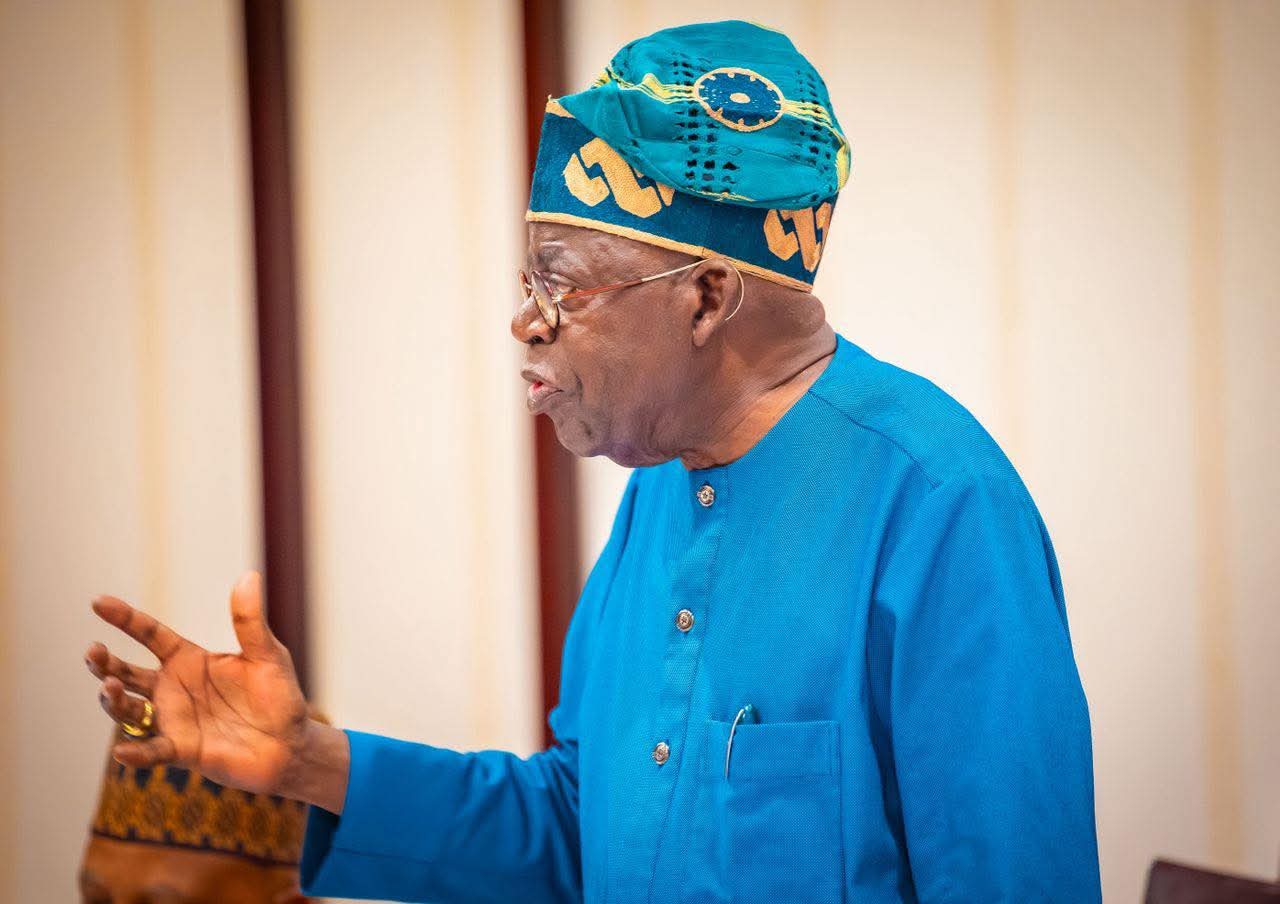
The All Progressives Congress, APC, has said President Bola Ahmed Tinubu has outperformed all democratically elected presidents in Nigeria during their first terms in office.
The National Publicity Secretary of the party, Felix Morka, made the claim during an interview with Channels Television on Monday, while defending the performance of the Tinubu administration.
Mr Morka also said Tinubu inherited an economy that was “completely in a mess” from the administration of former President Muhammadu Buhari.
“President Bola Ahmed Tinubu has outperformed any president in his first term. He has outperformed any democratically elected president in this country in their terms,” he said.
According to him, economic indicators under the Tinubu administration provided evidence of the government’s performance.
“The indicators are res ipsa loquitur, as we say in law; they speak for themselves. This president inherited an economy that was completely in a mess,” Mr Morka said.
The APC spokesman blamed successive administrations for the economic challenges inherited by Tinubu, while describing Buhari’s government as a “stopgap” administration.
“Buhari was a stopgap president that really came to keep the country from tipping over the precipice – from 16 years of horrific maladministration of the PDP government,” he said.
“President Buhari served his term, did his job to hold the country still for President Tinubu to enter.”
Mr Morka further claimed that the Tinubu administration had transformed the economy to the extent that some of its critics were now acknowledging its achievements.
He said Nigeria had “come out of the woods” at the macroeconomic level as a result of the policies implemented by the Tinubu administration.
The APC spokesperson’s remarks come amid continued debate over the impact of the Tinubu administration’s economic reforms, including the removal of fuel subsidy, foreign exchange reforms and other measures introduced since May 2023.
While the government has maintained that the reforms are laying the foundation for long-term economic growth, opposition parties and other critics have continued to fault the administration over the cost of living and the impact of the reforms on households and businesses.


2027: Tinubu, family should start packing their bags from Aso Rock – Dino Melaye + Video

K!ller Robots could target humans â UN and Red Cross warn

Radda-Masari Rift: Police summon governor’s ADC, CSO for questioning

Tinubu congratulates Governor Babagana Zulum on his birthday

Judge rejects Ghislaine Maxwellâs bid to throw out conviction for aiding Jeffrey Epstein s3xually abuse teenage girls

George Weah: Stop inviting African dictators to address lawyers, Falana tells NBA + Video

Distance learning now national necessity not alternative – Osinbajo

 Investigation3 days ago
Donât hide Tinubuâs records from Nigerians, Atiku tells FBI
- National2 days ago
Police uncover adulterated drinks warehouse in Warri
- Society1 day ago
Truck Driver Documents How Police At Tema Harbour Entrance Demand ¢20 Bribes But “Kills” Stubborn Drivers Who Fail To Pay
- Investigation1 day ago
How I survived as my husband and two children di£d after eating amala â Widow speaks
- Society3 days ago
See the Marriage Requirements That Got This 50-Year-Old Man Dragged On Social Media
- Investigation3 days ago
âYou have no house, you lived in Bellaâs house and owe her over N30m, not N11mâ â Ex BBN star, Phyna slams ex co-star, Sheggz.
- Investigation3 days ago
âIs there anything wrong with my dressing?ââ Lady cr!es out as she accuses a man of har@ssing and be@ting her last night in Abeokuta, Ogun State.
- Breaking3 days ago
Osun 2026: INEC has set a new standard in electoral integrity — Ex-official