World
Efforts continue for new round of talks as stand-off between US and Iran deepens

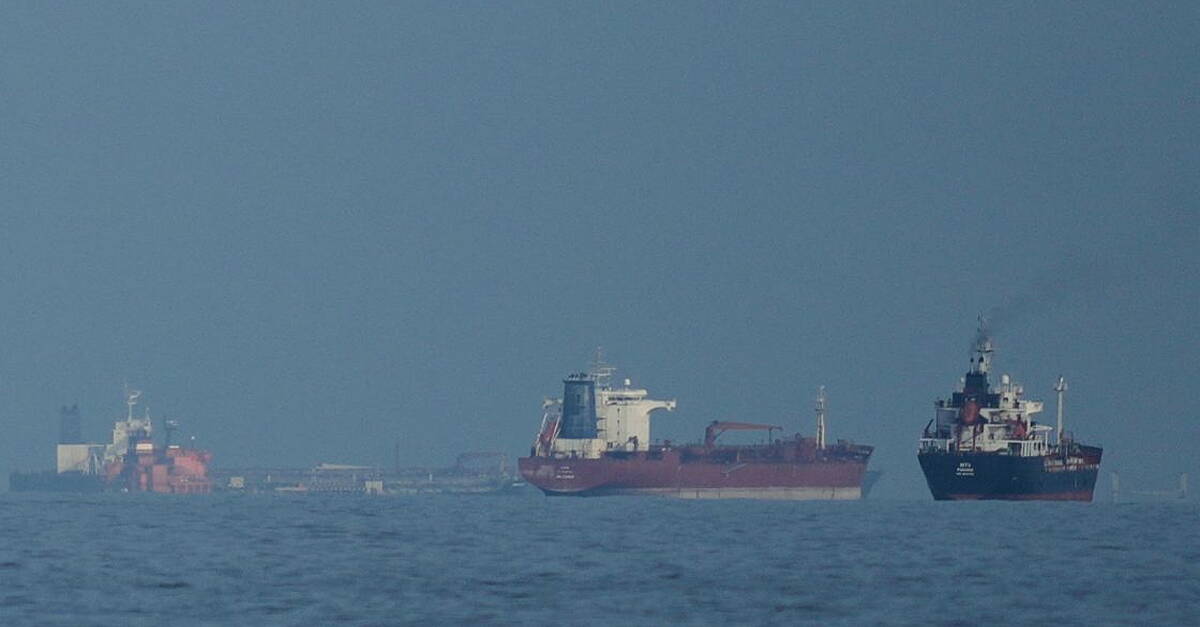
The stand-off between the United States and Iran has deepened as the US declared it had blockaded Iran’s ports, Tehran threatened to strike targets across the region and Pakistan said it was racing to bring the sides together for more talks.
Though last week’s ceasefire appeared to hold, the showdown over the Strait of Hormuz risked reigniting hostilities and deepening the region-wide war’s economic fallout.
Talks aimed at permanently ending the conflict — which began on February 28 with US and Israeli strikes on Iran — failed to produce an agreement last weekend, though Pakistan has proposed hosting a second round in the coming days.
Two Pakistani officials said that the first talks were part of an ongoing diplomatic process rather than a one-off effort.
Two US officials said on Monday that discussions were still under way about a new round of talks. They said that the venue, timing and composition of the delegations had not been decided but that talks could happen on Thursday.
The war, now in its seventh week, has jolted markets and rattled the global economy as a great deal of shipping has been cut off and air strikes have torn through military and civilian infrastructure across the region.
The fighting has killed at least 3,000 people in Iran, more than 2,000 in Lebanon, 23 in Israel and more than a dozen in Gulf Arab states. Thirteen US service members have also been killed.
The blockade is intended to pressure Iran, which has exported millions of barrels of oil, mostly to Asia, since the war began. Much of it has likely been carried by so-called dark transits that evade sanctions and oversight, providing cash flow that has been vital to keeping Iran running.
Both the nature of enforcement and the extent to which ships will comply remained unclear during its first full day in effect on Tuesday.
Tankers approaching the strait on Monday turned around shortly after it took effect, though one turned around and transited the waterway early on Tuesday.
The tanker Rich Starry had been waiting off the coast of the United Arab Emirates, according to shipping data firm Lloyd’s List, which cited data from the energy cargo-tracking firm Vortexa.

It was not immediately clear whether the Rich Starry had earlier docked in Iran. Yet it is listed by the US Treasury’s Office of Foreign Assets Control as linked to Iranian shipping.
Lloyd’s List, citing ship registry and tracking data, reported that it is owned by a Chinese shipping company and ultimately bound for China.
US Central Command did not immediately respond to questions about the vessel after it cleared the 21 mile-wide waterway. A day earlier, it said that the blockade applied to vessels going to and from Iranian ports.
Since the start of the war, Iran has curtailed maritime traffic, with most commercial vessels avoiding the waterway.
Iran’s effective closure of the strait, through which a fifth of global oil transits in peacetime, has sent oil prices skyrocketing, pushing up the cost of fuel, food and other basic goods far beyond the Middle East.

US President Donald Trump on Monday said that Iran’s control of the strait amounted to blackmail and extortion as the blockade took effect. He said in a social media post that Iran’s navy had been “completely obliterated” but still had “fast attack ships”.
He warned that “if any of these ships come anywhere close to our BLOCKADE, they will be immediately ELIMINATED”.
Iran threatened to retaliate against Persian Gulf ports if attacked.
“If you fight, we will fight,” Iran’s parliamentary speaker, Mohammad Bagher Qalibaf, said in a statement addressed to Mr Trump.
French President Emmanuel Macron and British Prime Minister Sir Keir Starmer will co-chair a conference on Friday for nations willing to deploy warships to escort oil tankers and container ships through the Strait of Hormuz.
The deployment will happen “when security conditions allow”, Mr Macron’s office said on Tuesday.
Meanwhile, direct talks between Israel and Lebanon were set to begin in Washington on Tuesday, the first such negotiations in decades.
Israel has pressed ahead with its air and ground campaign since last week’s ceasefire in Iran, insisting that it does not apply to fighting in Lebanon.
It has, however, halted strikes in the country’s capital since April 8, after a deadly bombardment that hit several crowded commercial and residential areas in central Beirut. It sparked an international outcry and threats by Iran that it would end the ceasefire.


Kano govt files appeal after court dismissed case against Murtala Garo
Kano govt files appeal after court dismissed case against Murtala Garo

IMF lifts Nigeria outlook, forecasts 4.3% growth in 2027

The Great Emu War of 1932: How 20,000 flightless birds outsmarted the Australian army

ADC Leadership Tussle: Supreme Court Adjourns Hearing to April 22

UPDATED: Supreme Court to hear ADC leadership appeal April 22

UCL: UEFA rejects Barcelona complaint over refereeing decision against Atlético

 Breaking2 weeks ago
Outrage as video of secondary school students in Benue state str!ping their classmate surfaces online
 News2 weeks ago
I Joined A Cult, Worked So Hard For Demons – Tonto Dikeh Confesses While Ministering (Video)
- News2 weeks ago
Heartbreaking Story Of 300-Level Ekiti University Student Who Was K!lled After Truck Crashed Into His Building (Video)
- National2 weeks ago
Environmental Sanitation: Lagos meets with LG, LCDA bosses
- Breaking1 week ago
Mother Abandons 4 Children with Neighbor and Disappears for Months — Shocking Case Raises Questions
- News2 weeks ago
WAEC Releases 2026 WASSCE Timetable (Full List)
- Breaking2 weeks ago
Singer Flavour shows off Italian woman and vows to shower her with so much love that she’ll have no choice but fall in love (video)
- World6 days ago
Trump LIVE: Iran war bombshell as Trump could be 'removed from Presidency'