News
FG unveils reforms to bridge out-of-school gap

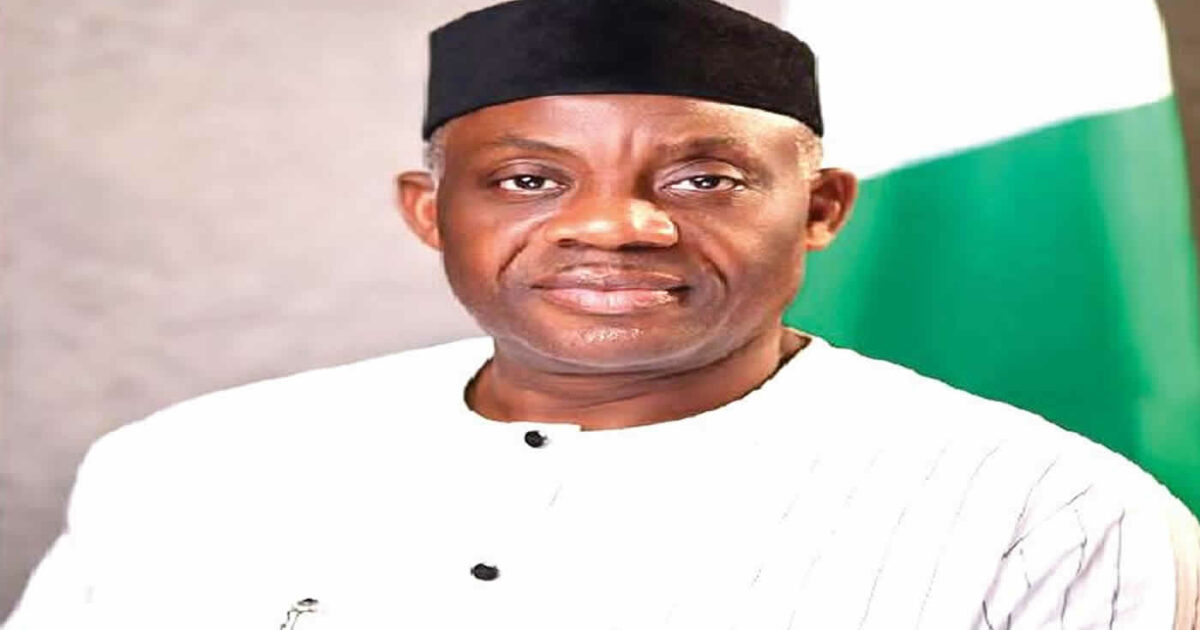
The Federal Government on Tuesday said it is intensifying efforts to bridge the gap for out-of-school children through coordinated reforms and targeted interventions across the country.
The Minister of Education Dr. Tunji Alausa, stated this on Tuesday at the ongoing 2026 Basic Education in Nigeria Boot Camp Summit, a three-day event holding in Jos, the Plateau State capital, from April 28–30. The summit is themed “Enhancing Access to Inclusive Quality Education and Bridging the Gap for Out of School Children in Nigeria”.
“This gathering comes at a defining moment in our nation’s education journey, as we collectively seek sustainable solutions to ensure that every Nigerian child has access to quality basic education,” Alausa said.
He acknowledged that “despite ongoing reforms, Nigeria still faces the challenge of a significant number of out-of-school children and poor-quality education,” stressing that “this reality demands urgent, coordinated, and innovative responses from government, development partners, civil society, and the private sector.”
According to the minister, the country continues to grapple with “inadequate infrastructure, shortage of qualified teachers, weak foundational literacy and numeracy, limited integration of digital learning, and inequitable resource distribution.”
“These challenges underscore the urgent need for coordinated, innovative, and sustained responses from government, development partners, civil society, and the private sector,” he said.
Alausa said the Federal Ministry of Education is “actively championing reforms aimed at improving quality at the foundational level—through curriculum strengthening, teacher professional development, deployment of digital learning tools, enhanced monitoring and evaluation systems, and targeted interventions to support learner retention and performance.”
He noted that under President Bola Tinubu’s Renewed Hope Agenda, the ministry “remains fully committed to delivering inclusive, equitable, and quality education for all.”
“In line with this commitment, we are implementing targeted interventions to expand access, strengthen alternative learning pathways, promote open schooling, and leverage digital platforms to reach underserved communities,” he said. “Initiatives such as LUMINA 2030, EduRevamp, Community of Practice and others are designed to tackle the out-of-school children challenge in a holistic and sustainable manner.”
A guest scholar from Kenya and Executive Director of Teaching at the Right Level Africa, Titus Syengo, delivered a lead paper presentation on Enhancing Access to Inclusive Quality Education and Bridging the Gap for Out of School Children in Nigeria
“When Nigeria sneezes, other countries catch cold. We need to build a strong educational foundation upon which the children of this giant stands,” Syengo said.
He described the situation as urgent, stating: “18.5 out of school children is a crisis. We need to address it. I recommend that the boot camp should be Afrocentric.”
Plateau State Governor Caleb Mutfwang, represented by Deputy Governor Josephine Piyo, said the challenge of out-of-school children “represents millions of dreams deferred, potentials untapped, and futures uncertain.”
“These children, if not properly integrated into the education system, face increased risks of poverty, child labour, insecurity, and social exclusion,” Mutfwang said. “Addressing this challenge therefore requires urgent, coordinated, and sustained action at all levels of government and society.”
He said the state has “constructed 397 classrooms and renovated 557 others,” drilled “33 motorized boreholes” in schools, and supplied furniture to thousands of pupils to create “a more conducive and comfortable atmosphere for teaching and learning.”
“Our administration remains committed to revitalizing the education sector and ensuring that every child, regardless of location, gender, disability, or socio-economic background, has access to quality and affordable education,” he said.
Mutfwang noted that the Bootcamp would witness the launch of key documents, including the _National Policy on Alternative Learning Pathways in Nigeria and National Guidelines for the Facilitation of Re-Entry of Pregnant and Married Adolescent Girls into Schools
“These documents represent a major step forward in ensuring flexible, inclusive, and equitable education opportunities for children who have previously been excluded from the formal education system,” he said.
Minister of State for Education, Prof. Suwaiba Sai’di Ahmad, reiterated that the ministry “remains committed to ensuring inclusive, equitable, and quality education for all Nigerian children.”
“In Nigeria today despite the innovative reforms of the Government we are still confronted with a significant number of out-of-school children.
“This reality calls for urgent, coordinated, and innovative responses from government, development partners, Civil Society Organizations, and the Organised Private Sector.”Ahmad said .
She said interventions include “expanding access to basic education, strengthening Alternative Learning Pathways, promoting open schooling, supporting Technical and Vocational Education and Training, and leveraging digital learning platforms to reach underserved communities.”
Permanent Secretary, Ministry of Education, Abel Enitan, said the Bootcamp was conceived “to move beyond policy discussions to actionable solutions.”
“At its inception, the programme was designed to bring together policymakers, implementers, and partners to identify gaps, share experiences, and develop practical, measurable strategies to address barriers to access, retention, and completion of basic education,” Enitan said.
He listed ongoing reforms such as “reintegration of out of school children,” curriculum reforms, the Nigeria Education Data Initiative, examination reforms, and strengthened TVET where “students are enrolled and given life skills and supported with stipends monthly.”
“This year’s Bootcamp is therefore designed to consolidate on the gains, address implementation gaps, and accelerate progress towards ensuring that every Nigerian child has access to quality basic education by removing every barrier under the NESRI Agenda,” he said.
The summit, attended by stakeholders across the education sector, is expected to “generate practical strategies and innovative approaches for identifying out-of-school children, quality education and reintegrating them into the education system, and ensuring their retention and completion,” according to Alausa.
A communique is also expected to be issued at the end of the three-day summit



Suspects confessed to $6.23m fraud in Emefiele trial – Witness

Edo Assembly confirms Bello as EdoGIS MD

Warm sunshine to follow scattered showers as UK temperatures climb to 24°C this week

Zulum’s commissioner joins gov race, picks APC nomination form

CVR 2nd phase: Participate in claims, objections — INEC tells registered voters

When I had nothing, she handled the bills for seven years and never complained â Actress Seun Osigbesan’s husband praises her as she turns 40

Israeli strikes kill Hamas commander, others in Gaza

 World2 days ago
Trump abruptly cancels peace talks with Iran in Pakistan: "We have all the cards"
- Breaking18 hours ago
Man falls asleep after r@ping 89-year-old woman in South Africa
- World2 days ago
Alleged gunman wrote that he expected more security at White House Correspondents' Dinner
- World1 day ago
Trump humiliated as major NATO leader tears apart US plan in Iran war
- Business2 days ago
Dangote refinery 1.4mbpd expansion to create 95,000 jobs
- World1 day ago
Adult content creator accused of using 5-year-old girl to attract men for cash
- Business2 days ago
No new tax on vehicles – NRS
- World3 days ago
Donald Trump rushed to safety after suspected gun shots at White House dinner