National
U.S.-Iran War: IEA, IMF, World Bank Reaffirm Support For Affected Countries

By Teddy Nwanunobi
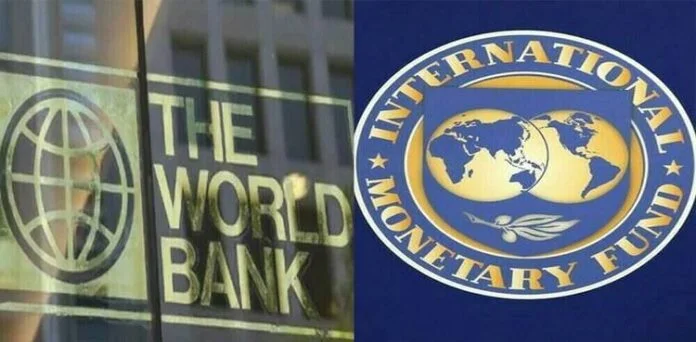
Heads of the International Energy Agency, IEA, International Monetary Fund, IMF, and the World Bank Group have committed to ensuring a resilient recovery for member countries affected by the Middle East Crisis.
The institutions, in a joint statement, said the institutions met on Monday as part of the coordination group established in April to maximise their institutions’ response to the energy and economic impacts of the war in the Middle East.
It noted that the impact of the war was substantial, global, and highly asymmetric, and disproportionately affected energy importers, particularly low-income countries.
“The shock has led to higher oil, gas and fertiliser prices, triggering concerns about food security and job losses as well. Some oil and gas producers in the Middle East have also seen a dramatic loss of export revenue,” it said.
The statement added that the situation remained very uncertain, and shipping through the Strait of Hormuz had yet to return to normal.
It said that even after a resumption of regular shipping flows through the Strait, it would take time for global supplies of key commodities to return to their pre-conflict levels.
The statement said the prices of fuel and fertiliser may also remain high for a prolonged period, given the damage to infrastructure. It said that due to supply disruptions, shortages of key inputs were likely to affect energy, food, and other industries.
The statement said the war has also forcibly displaced people, impacted jobs, and reduced travel and tourism, which may take time to reverse.
“Today, we shared our latest assessments, ahead of the release this Tuesday, April 14, of the IEA’s monthly Oil Market Report and the IMF’s World Economic Outlook.
“We also discussed the situations of the countries most affected by the shock, as well as the responses by our institutions.
“Our teams are working closely, including at the country level, to leverage our respective expertise and help countries through tailored policy advice and, in the case of the IMF and World Bank, financial support where needed,” they said.
The statement said they would continue to monitor closely and assess the impact of the war on energy markets, the global economy and individual countries.
“We would also coordinate our response and support to our member countries. We will continue to work with, and draw on, other international organisations’ expertise as needed to lay the foundations for a resilient recovery that delivers stability, growth and jobs,” the statement explained.
On April 1, the heads of the IEA, IMF and the World Bank issued a joint statement where they agreed to form a joint coordination group.
The group is aimed at strengthening its response to the energy and economic shocks triggered by the ongoing war in the Middle East.


Assault On Obaseki: Suspects, Family Members Apologise

11 races that could determine control of the Senate

56 inmates to bag NOUN degree at 15th convocation

BREAKING: Declan Rice OUT As Arsenal Vs Sporting Clash Set?

"Call immigration, she will appear" Angel’s estranged wife reacts after mother of the BBNaija star raised alarm about daughter’s whereabouts
Indian man charged with sexually assaulting woman on Australia-bound flight: 'Will be dealt with'

Appeals court shuts down criminal contempt probe over deportation flights

 Breaking2 weeks ago
Outrage as video of secondary school students in Benue state str!ping their classmate surfaces online
 News2 weeks ago
I Joined A Cult, Worked So Hard For Demons – Tonto Dikeh Confesses While Ministering (Video)
- News2 weeks ago
Heartbreaking Story Of 300-Level Ekiti University Student Who Was K!lled After Truck Crashed Into His Building (Video)
- National2 weeks ago
Environmental Sanitation: Lagos meets with LG, LCDA bosses
- Breaking1 week ago
Mother Abandons 4 Children with Neighbor and Disappears for Months — Shocking Case Raises Questions
- News2 weeks ago
WAEC Releases 2026 WASSCE Timetable (Full List)
- Breaking2 weeks ago
Singer Flavour shows off Italian woman and vows to shower her with so much love that she’ll have no choice but fall in love (video)
- World6 days ago
Trump LIVE: Iran war bombshell as Trump could be 'removed from Presidency'