National
Bicycle as alternative mode of transportation in Nigeria: The FRSC perspective

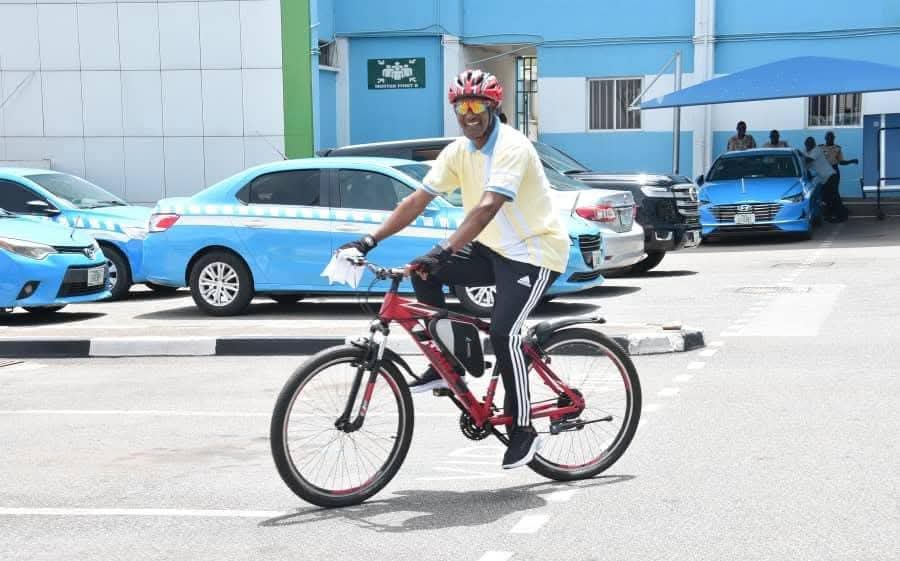
According to Elly Blue, Bikenomics: How bicycling can save the economy “The best scenario of all when it comes to air pollution has nothing to do with tail pipe filters or hybrid, electric or zero emissions car technology. The way to reduce pollution is to reduce driving, plain and simple”
As valid and realistic as this quote appear, the benefits of adopting bicycle as alternate means of transportation across the globe, cannot be over stressed and this informs why a day is set aside annually globally, to rev up awareness and public consciousness on the increasing need for more members of the entire global community to embrace bicycle as ideal and appropriate means of moving from one location to another.
This underscores why the 9th edition of the World Bicycle Day was celebrated on 3rd of June 2026 with theme: “Boosting Urban Life with the Bicycle” to highlight the vital roles the bicycle play in returning our city back to a place for people, building cleaner and carbon emission-free environment in line with the United Nations resolution to recognize the bicycle as a simple, affordable, reliable, clean, and environmentally sustainable means of transportation. The day highlights the bicycle’s contribution to health, education, social inclusion, environmental protection, and sustainable development.
The theme of World Bicycle Day generally emphasizes: Sustainable mobility and transportation, Healthy lifestyles and physical fitness, Reduction of traffic congestion and pollution, affordable transportation for all and Climate-friendly urban development.
FRSC’s Initial Role in Promoting Bicycles as an Alternative Mode of Transportation in Nigeria
Worthy of note are bold strides which the FRSC took towards upscaling public consciousness about bicycle transportation which includes the 17th of October, 2010 National stakeholder’s workshop on bicycle transportation held in Abuja where the Corps unveiled its planned agenda for mainstreaming cycling advocacy and development. What was the agenda?
a. Make cycling central to FRSC advocacy and safety awareness activities, ensure regulations, and guidance for safe infrastructure development
b. Institutionalize cycling into the FRSC Fabric: this began with the creation of the Bicycle Desk Officer role within the Corps Marshals Office which the Engr Emmanuel John as the first desk officer ( Engr Emmanuel is presently, the President, Africa Urban Cycling Organization and Chief Executive Officer of Ochenuell Mobility Solutions) This office later catalyzed into three units: National Traffic Unit under the Corps Safety and Engineering, NMT under the Planning, Research and Statistics Department and Bicycle Club under Training Department.
c. Conduct nationwide studies to establish baseline data on bicycle transport and safety
d. Led national advocacy: Establish the national bicycle week, which 3 editions held in 2011, 2012 and 2013, review relevant documents, such as the highway code and the National Road Traffic Regulations, 2024 as amended
e. Recruited cyclists into the Sports Department to win medals for FRSC and to establish FRSC as leader in the bicycle advocacy, nationwide.
In the words of FRSC Corps Marshal, Shehu Mohammed who is also an ardent bicycle rider “Cycling can reduce traffic congestion, promote economic growth, reduce air pollution, enhance physical and mental wellness and reduce over reliance on motorized transportation, this underscores our advocacy for policies that will protect cyclists and other non-motorized road users including the provision of sidewalks and dedicated cycling lanes in our joint efforts towards achieving 50 percent reduction in road crash injuries and fatalities by 2030”
Bicycling in Nigeria: The FRSC Perspectives: As the nation’s lead agency on road safety management and traffic administration, the Federal Road Safety Corps has a significant role to engender safe and effective use of bicycles in Nigeria’s transport system.
a. Road Safety Awareness and Education
With public education as one of its core mandate, FRSC educates cyclists, motorists, and pedestrians on road safety rules through public enlightenment campaigns, school programs, and community outreach activities.
b. Enforcement of Cycling Safety Standards
The Corps promotes compliance with safety measures such as wearing of protective helmets, use reflective jackets, obeying traffic signs and regulations in addition to maintaining roadworthy bicycles.
c. Advocacy for Bicycle-Friendly Infrastructure
FRSC collaborates with government agencies and urban planners to advocate for:
· Dedicated bicycle lanes.
· Safe road crossings for cyclists.
· Secure bicycle parking facilities.
· Integration of cycling into urban transport planning.
d. Research and Policy Development
The Corps collates data on cycling patterns, safety challenges, and accident trends to support evidence-based transportation policies.
e. Promotion of Sustainable Transportation
As part of efforts to reduce road congestion and improve road safety, FRSC also encourages cycling for short-distance travel, especially in schools, residential areas, and city centers.
f. Partnership with Stakeholders
FRSC works with schools, cycling associations, environmental groups, transport authorities, and private organizations to organize cycling campaigns, rallies, and safety workshops.
Relevance of Bicycle Riding to Economic Growth in Nigeria
Reduced Transportation Costs
· Bicycles are among the most affordable means of transport. They require no fuel and have relatively low maintenance costs, enabling households to save money.
· Increased Productivity: Workers, students, traders, and artisans can travel efficiently over short distances, especially in congested urban areas, leading to better time management and productivity.
· Job Creation: The bicycle industry can generate employment through Manufacturing and assembly, Sales and distribution, Repair and maintenance services, Delivery and logistics businesses.
Support for Small Businesses and Agriculture
Farmers and traders can use bicycles to transport goods to markets at lower costs, particularly in rural communities where motorized transport may be limited or expensive.
Reduced Fuel Consumption
Greater bicycle use can reduce dependence on petrol and diesel, helping households and businesses manage transportation expenses while supporting national energy conservation efforts.
Improved Public Health
Regular cycling helps prevent obesity, hypertension, diabetes, and cardiovascular diseases. A healthier workforce contributes to higher productivity and lower healthcare costs.
Reduced Traffic Congestion
Increased bicycle usage can reduce the number of vehicles on roads, resulting in shorter travel times and improved economic efficiency.
Environmental Benefits
Cycling reduces greenhouse gas emissions and air pollution, contributing to a cleaner environment and supporting sustainable economic development.
Conclusion
The 2026 observance of World Bicycle Day provides a veritable platform for improved legislation and funding, sustained partnership of relevant stakeholders to synergize with the Federal Road Safety Corps to promote cycling as a safe, affordable, healthy, and environmentally friendly mode of transportation. By encouraging bicycle use through education, safety regulation, infrastructure advocacy, and public awareness, FRSC has no doubt, helped to advance sustainable mobility while supporting economic growth, job creation, public health, and environmental sustainability in Nigeria.
Osondu Ohaeri, a Fellow of the Nigerian Institute of Public Relations is a Deputy Corps Commander and Corps Public Education at the FRSC National Headquarters Abuja


Yaya Toure becomes head coach of Slovakiaâs Slovan Bratislava

Nigeria produces oil but never had electricity — Kemi Badenoch

âMany Africans supported Mexico, we almost shed tears â South Africa captain, Ronwen Williams reacts to World Cup defeat

Trump’s name removed from Washington arts centre

Kidnappers withhold wife of deceased former General despite his dâ¬ath in their custody

Ghanaian big boy arrested in Morocco over alleged international fraud and money laundering

Labour Party hails INEC over inclusion of candidate in Enugu North by-election

 World1 day ago
Horror as girl, 12, 'gang raped by 5 classmates' at birthday party
- Politics3 days ago
Environmental Protection: Edo, FG to strengthen collaboration as Okpebholo pledges partnership to protect Edo environment
- World1 day ago
Horror as bodies of 29 unborn babies discovered buried at a family home
- Breaking2 days ago
Two brothers beat each other to de@th after satanism accusation sparks de@dly fight
 News2 days ago
Benue Youths Rescue Kidnapped Victims, Detain Suspects in Community Operation
- World2 days ago
Escalation in attacks between U.S. and Iran
- Breaking21 hours ago
Fight breaks out between student, hostel staff and Rev. Sister at Coal City University
- Business9 hours ago
Wema Bank’s 5 for 5 Rewards Delivers ₦17.96 Million to 273 Customers in One Month