Society
Concerns over high cost of petrol

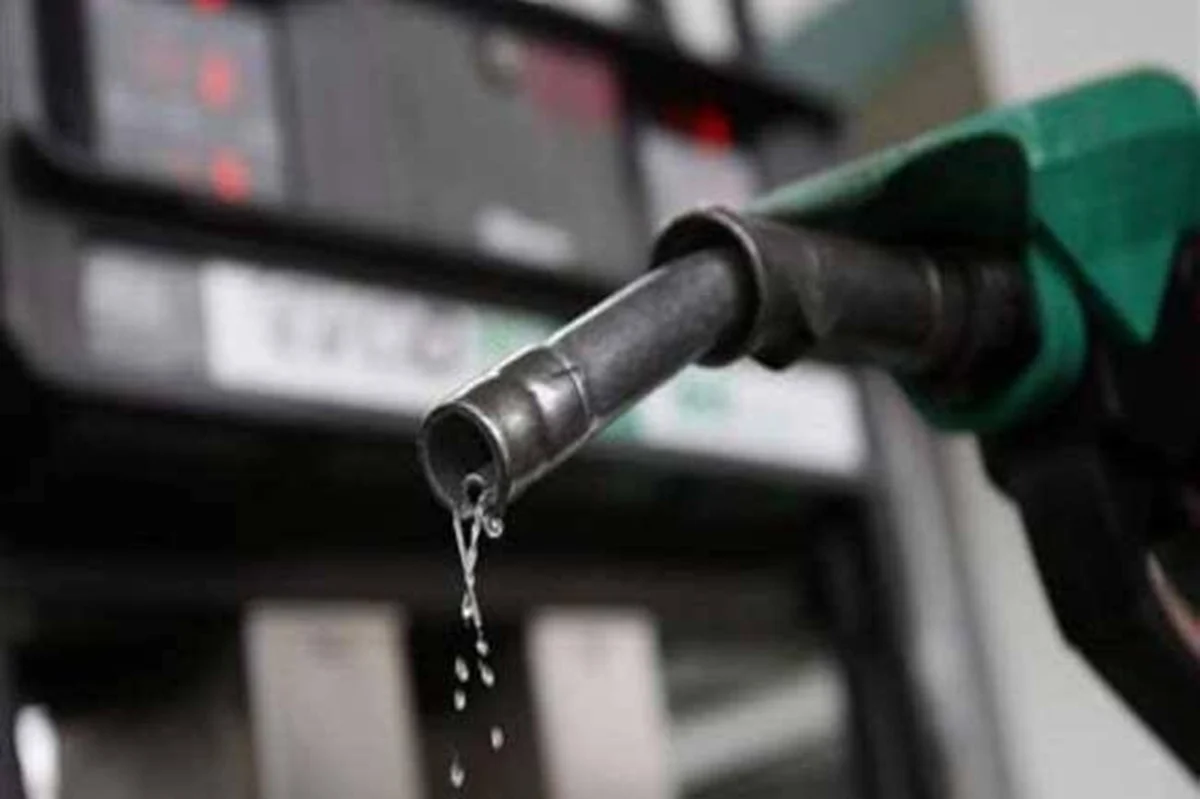
• Despite decline in global oil rates, marketers yet to adjust in Nigeria
• Product still sells between N1,190 and N1,210 per litre
Dayo Ayeyemi | Lagos
DESPITE decline in global oil prices and marginal reduction in ex-depot price of Premium Motor Spirit (PMS) by Dangote Petroleum Refinery, marketers are yet to align their pump prices to reflect the new rates.
This has generated concerns among Nigerians who are bearing the brunt of high costs of energy and transportation in the last three and half months following the Middle-East war.
Their expectation is that petrol pump price will return to the pre-crisis period of N800 per litre, when global crude oil prices averaged between $70.89 per barrel and $66.96 per barrel in February 2026.
As at Sunday, 2026, global crude oil prices have fallen to around $69.67 to $73.74 per barrel, following the resumption of normal shipping through the Strait of Hormuz after US-Iran peace developments.
Though, few petrol stations in Lagos are dropping their price, customers noted that the marginal reduction does not commensurate with the falling global oil prices.
In Abuja, it was gathered that NNPC has reduced the price of petrol to N1,210 per litre from N1,260 per litre, marking its second price cut within a week.
Market survey by our correspondent on Sunday showed that most filling stations in Lagos and Ogun states sold petrol between N1,190 and N2,210 per litre, depending on location and retail outlets.
Some of the petrol stations include NNPC, Mrs, ConOil, TotalEnergies, Ardova, Mobil, Rain Oil, Matrix and FatGbems.
Dangote Petroleum Refinery, on Friday, announced reduction in its ex-depot price of Premium Motor Spirit (PMS) by N50 per litre, citing the de-escalation of tensions in the Middle East and the resulting decline in global energy prices.
A notice issued to customers showed that the gantry loading price was cut from N1,175 per litre to N1,125 per litre, while the coastal supply price dropped from N1,495,215 per metric tonne to N1,428,165 per metric tonne.
The refinery said the revised prices took effect from 12:00 a.m. on June 25, 2026, adding that all outstanding unloaded gantry volumes would be repriced at the new rate.
As at the time of the announcement, Brent crude fell 1.67 percent to $72.51 per barrel while West Texas Intermediate (WTI) crude was trading at $69.41 per barrel, down 1.32 percent.
Expectations are that this would exert further downward pressure on petrol prices across Nigeria’s downstream market, believing that marketers will align with the new refinery rates.
Shedding light on the market dynamics, former Chairman, Major Energies Marketers Association of Nigeria, Adetunji Oyebanji, explained the relationship between crude and pump prices.
He explained that the crude currently in the tanks of refiners was bought at a much higher price and would take some time for cheaper crude to get to the refinery.
Besides, he added that it would take another week for the new crude to get through the refining process.
On why the pump price is going up faster when crude is going up, Oyebanji said it was simply because the refiner is thinking of his next cargo,” he said.
“If what he has in tank is $80/per barrel and crude goes to $115 per barrel, he has to get ready and have enough cash to pay for the crude. So he adjusts fast.
“On the other hand, when the pump price is going down, he already has $115 crude in his tank. If it goes down, he will take some time to clear what he has in his tank while he waits for the $80 crude.
“Are there some sharp practices here and there? Possibly. But at the end of the day when sufficient quantities of lower priced products enter the market, prices will begin to abate.
Unfortunately it doesn’t happen as fast as we would like. The market will eventually correct itself.”
Oyebanji is of the opinion that competition is ultimately the best weapon to fight this.
“This is one of the reasons we believe that a limited amount of importation is good in order to keep local refineries honest and competitive,” Oyebanji said.
It was gathered that marketers are currently selling off expensive fuel and crude inventories that were purchased at the height of the global energy crisis. Retailers also set their prices to cover replacement and distribution costs.
However, as a major oil exporter, Nigeria earns significantly more dollars when prices surge above the national budget.
According to estimates, Nigeria’s gross oil earnings recorded an estimated windfall of N5.13 trillion ($4 billion) in just 52 days of the conflict.
In what analyst Segun Olonode described as a “mixed blessing,” as Nigeria’s revenue and foreign reserves grew during the crisis, it also triggered severe domestic inflation.


Abia Govt urges compliance as taskforce begins Okada ban enforcement

Saraki joins global leaders in Italy, says Africa needs strategic partnerships, not aid dependency

Rivers police arrest notorious armed robber, recover firearms and ammunition

Real estate developer charged with bribery, selling ‘Homeland Security’ ID cards

BREAKING: Terrorist Leader, Kachalla Maha Alleged Security Forces Leaks Information To Him Before Coming [AUDIO]

Rapper Drake wins $1 Million after betting on Canada to beat South Africa in World Cup

Kwara gov sacks deputy chief of staff, principal private secretary, advisers

 Investigation3 days ago
Nud£ painting done by Sigmund Freudâs grandson sells for a mind-blowing $39M at auction
- Society3 days ago
“I smuggled cocaine and marijuana to the UK for my son’s father, then served 10 years in prison”-Ghanaian woman recounts ordeal
- Investigation3 days ago
Stop insulting the intelligence of Nigerian women – Arise TV anchor, Ayo Mario-Ese knocks First lady, Remi Tinubu, over âAkara, Kuli-Kuliâ business advice
- Breaking22 hours ago
UNBELIEVEABLE: Video of A Fat Wife Beating And Flogging Her Slim Husband Sparks Debate Online Among Couples and Youths
- Investigation3 days ago
âIf you can’t discipline your child, don’t bring them to public placesâ â Lady criticises âgentle parentingâ
- Breaking3 days ago
Ondo state government withholds WASSCE results of graduating students over signing out rampage
- News3 days ago
Oyo School Abduction: Government Launches International Rescue Push as Search Tightens
- Investigation3 days ago
âWhen I get good news, the first person I call is my girlfriend. Nobody cares about me more than she doesâ â Rapper Odumodublvck