Breaking
Diezani acquittal exposes weaknesses in Nigeria’s anti-corruption fight — CISLAC

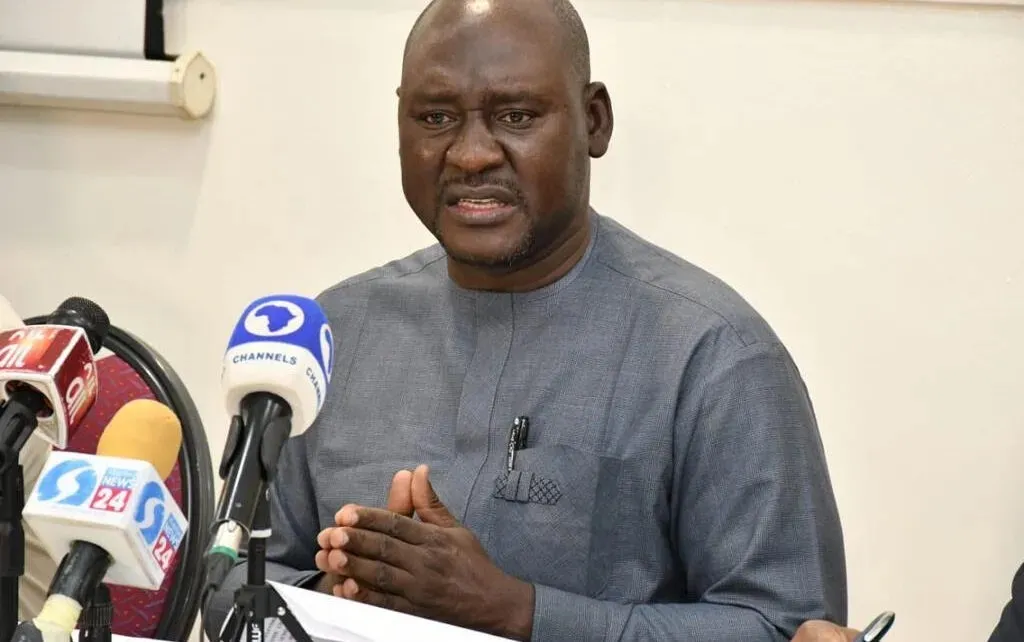
The Civil Society Legislative Advocacy Centre, CISLAC, and Transparency International Nigeria (TI-Nigeria) have reacted to the acquittal of former Minister of Petroleum Resources, Diezani Alison-Madueke, by a United Kingdom court, describing the verdict as a setback to global anti-corruption efforts while urging Nigerian authorities to strengthen domestic accountability mechanisms.
In a statement issued by its Executive Director, Auwal Musa Rafsanjani, the organisation said the verdict delivered by the Southwark Crown Court in London should serve as a wake-up call for Nigeria to pursue justice through its own institutions and reinforce the country’s anti-corruption framework.
The group noted that although it respects the unanimous verdict reached by the jury after 46 hours of deliberation, the outcome highlights the challenges associated with prosecuting high-profile corruption cases, particularly those involving politically exposed persons.
According to CISLAC/TI-Nigeria, the acquittal does not erase the governance concerns and systemic weaknesses that emerged during the trial, especially regarding the management of Nigeria’s oil and gas sector between 2011 and 2015.
“The verdict underscores the challenges associated with securing criminal convictions against politically exposed persons based largely on circumstantial lifestyle evidence. The prosecution was unable to establish beyond reasonable doubt that the benefits allegedly received by the former minister, including luxury properties, private jet travel and high-end shopping expenses, were directly linked to abuse of public office,” the organisation stated.
The anti-corruption advocacy group argued that the outcome should redirect attention to Nigeria’s own institutions, questioning why allegations linked to actions allegedly carried out while serving in public office have yet to be conclusively addressed within the country.
It stressed that accountability for public office holders should not depend solely on foreign jurisdictions and warned that continued reliance on overseas courts could weaken confidence in Nigeria’s justice system.
CISLAC also said the case exposed the role international financial centres can play in facilitating illicit financial flows, unexplained wealth and money laundering through luxury assets and professional intermediaries.
While commending the cooperation between international anti-corruption agencies and Nigeria’s Economic and Financial Crimes Commission (EFCC) during the investigation, the organisation expressed concern over what it described as inadequate political will to pursue the matter within Nigeria from the outset.
“The fact that foreign institutions took the lead in pursuing this matter reflects longstanding weaknesses in Nigeria’s anti-corruption architecture and the inability of relevant agencies and the judiciary to effectively prosecute high-profile corruption cases,” the statement added.
To strengthen accountability and restore public confidence in anti-corruption efforts, CISLAC urged the EFCC and the judiciary to ensure that all outstanding civil and criminal matters involving Alison-Madueke are diligently pursued to their lawful conclusion.
The organisation also called for stronger investigations and improved due diligence processes to ensure that corruption cases are supported by credible and admissible evidence capable of securing convictions in court.
It further recommended reforms aimed at reducing reliance on foreign jurisdictions for accountability by strengthening judicial institutions and introducing measures to limit excessive discretion in the administration of contracts and approvals within the energy sector.
CISLAC additionally urged authorities to prioritise civil asset recovery mechanisms and proceeds-of-crime legislation, arguing that such measures could facilitate the recovery of contested assets through civil proceedings, which generally require a lower evidentiary threshold than criminal prosecutions.
The organisation reiterated its commitment to promoting transparency, accountability and integrity in public governance and called on Nigerian authorities to draw lessons from the UK proceedings to strengthen domestic anti-corruption institutions and safeguard national resources.
The acquittal of Alison-Madueke, who served as petroleum minister under former President Goodluck Jonathan, has generated widespread debate among anti-corruption advocates and legal analysts over the effectiveness of both domestic and international mechanisms for tackling grand corruption.
CISLAC maintained that regardless of the outcome of the UK trial, efforts to ensure accountability and transparency in the management of public resources must continue.


Funny moment woman playfully chases Teni away from her husband during performance lindaikejiblog.

Alleged terrorism: Nigerian govt opposes suspected terrorist’s bail application

âSowore is not afraid to go to Kuje prisonâ- Actress Doris Ogala reacts in court over Sowore’s case

Edike Africa 2026 Children’s Day competition’s winners emerge

How luck contributed to my success – Tony Elumelu reveals

Ghanaian witch doctor says he will put a curse on Harry Kane ahead of England’s World Cup clash with Ghana

Fresh Lassa Fever outbreak claims doctor in Benue

 Investigation2 days ago
Update: Abia police arrest man caught on camera ass@ulting woman
- Investigation3 days ago
FIFA ban England fanâs flag from World Cup
- World1 day ago
Russia burning as Ukraine launches massive attack on key waterway 160 miles from frontline
- Investigation3 days ago
Africa’s richest man, Dangote reveals the largest amount heâs made in a single year (Video)
- Business3 days ago
FG seeks banks’ support to optimise revenue
- Investigation2 days ago
Police detain TikToker following boyfriendâs death in Kano

 Investigation3 days ago
Italian Prime âMinister Giorgia Meloni shades Trump as she denies begging him for a photo
- Investigation3 days ago
âLeave pastors alone, we are citizens like everyone elseâ â Pastor Poju Oyemade