World
Finland's unique literacy program: Children read to dogs and cows to build confidence without fear of judgment

This Video Is Trending Right Now
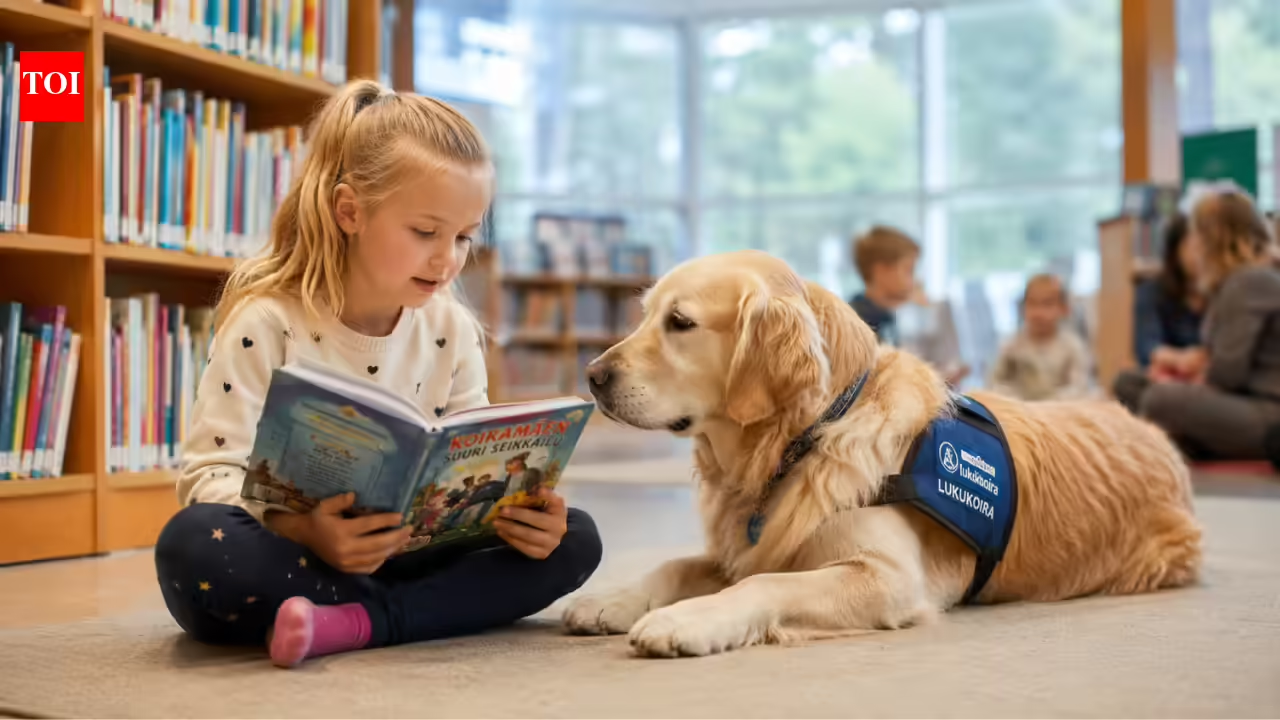
In Finland, some of the most attentive listeners helping children improve their reading skills have four legs. Across libraries, schools and even farms, children are encouraged to read aloud to trained dogs and, in some local initiatives, cows. These animals provide a calm and patient audience that allows young readers to practise without worrying about making mistakes in front of teachers, parents or classmates. What began as an innovative literacy experiment has grown into a widely recognised educational approach. By creating a relaxed and judgment-free environment, the programme helps children build confidence, enjoy reading more and develop a stronger connection with learning.
How reading to dogs and cows helps children
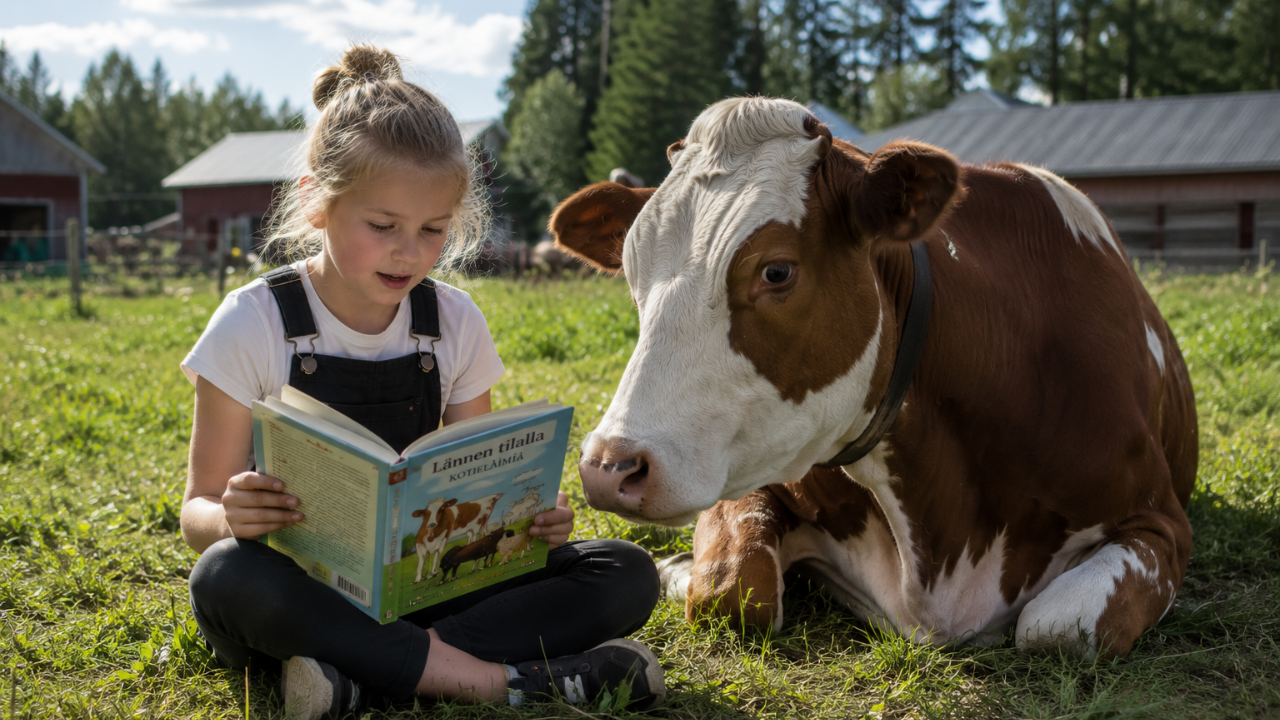
The concept is based on creating a low-pressure environment for children who may struggle with reading or feel nervous about reading aloud. During a typical session, a child sits with a trained dog and its handler and reads from a book for several minutes. The animal listens quietly, offering companionship rather than correction.Unlike human listeners, animals do not interrupt, evaluate pronunciation, or point out mistakes. This helps children focus on the story rather than worrying about performance, making reading a more enjoyable experience.Animal-assisted reading gained momentum in Finland in 2011 and became more structured when the Finnish Kennel Club launched its official reading dog program in 2017. Since then, trained reading dogs have become a familiar presence in libraries, schools, and community centers across the country.Dogs selected for the program must meet strict requirements. They need to be calm, healthy, comfortable around strangers, and able to remain relaxed during reading sessions. Their handlers also undergo training to ensure both the child and the animal have a positive experience.While reading dogs form the backbone of Finland’s animal-assisted literacy efforts, some local initiatives have taken the idea a step further by introducing cows as reading companions.On farms in southwestern Finland, children visit barns and read aloud to cows in a quiet rural setting. The cows’ gentle and unhurried presence creates a similarly calming atmosphere. Supporters of the initiative believe that the combination of nature, animals, and storytelling can make reading feel less intimidating and more engaging for reluctant readers.Although reading-to-cows programs are smaller and less widespread than reading dog initiatives, they reflect Finland’s willingness to experiment with creative approaches to education.
What research says about animal-assisted literacy
Studies on reading-to-dogs programs around the world suggest that animals can have a positive impact on children’s reading experiences. Researchers have found that children often show greater motivation to read, higher confidence, improved engagement, and lower levels of anxiety during reading sessions.The strongest evidence relates to emotional and psychological benefits rather than dramatic improvements in reading scores. Children who feel comfortable and confident are often more willing to practice reading regularly, which can contribute to long-term literacy development.However, researchers also note that more large-scale studies are needed to determine the extent to which animal-assisted programs directly improve reading performance.
More than reading skills
The benefits of animal-assisted learning may extend beyond literacy. Educators and handlers report that children often develop empathy, patience, and a greater sense of responsibility through interactions with animals.For some children, reading sessions can also help reduce fear of dogs, improve social confidence, and create positive associations with school and learning. The animals act as supportive companions rather than instructors, helping children feel safe and encouraged.
A lesson in learning without pressure
Finland’s reading-to-animals programs highlight a broader philosophy within the country’s education system: learning works best when children feel supported rather than pressured. Whether listening from a library floor or a farm barn, dogs and cows provide something many young readers need: a patient audience that never laughs at mistakes, rushes them, or judges their abilities.In a world where academic performance often comes with stress and expectations, Finland’s four-legged reading companions offer a simple reminder that confidence can be just as important as skill when it comes to learning.


Kidnapped Kwara monarch dies in captivity after ₦18m ransom payment

Uruguay frustrated by dogged Saudi Arabia in World Cup draw

French Navy hand life jackets to small boat migrants trying to reach Britain

Iran manager calls team World Cupâs âmost oppressed,â after they were immediately sent back to Mexico after match in US

Trump launches furious attack on Israel over Iran war – 'Not happy'

Murdered MP Jo Cox would be deeply concerned by divisions in UK, says sister
Murdered MP Jo Cox would be deeply concerned by divisions in UK, says sister

 Investigation19 hours ago
"If bandits kidnap my wife, I won’t pay ransom. I’ll remarry because they would have slept with her" – Nigerian man
- Business3 days ago
Wema Bank’s 5 for 5 Rewards Delivers ₦17.96 Million to 273 Customers in One Month
- World2 days ago
Horror as girl, 5, kidnapped and raped while being driven home on motorbike by grandad
- Breaking2 days ago
I had s3x with my wife only 6 times, her pregnancy canât be mine – Man tells Kaduna court
- Politics1 day ago
Governor Okpebholo congratulates Edo Queens, reaffirms commitment to sports development in Edo State
- Business2 days ago
FCT residents decry rising cost of tomatoes
- Breaking3 days ago
"I long for, at least, peace to mourn, but Euracare Hospital has robbed me even of that" â Author Chimamanda Adichie writes after court stalled inquest into son’s death
- News2 days ago
Kogi bans night travel, restricts okada operations over security concerns