World
'We're not trying to be philanthropists': Australian couple who donated more than $100 million to charity say it's not a big deal

This Video Is Trending Right Now
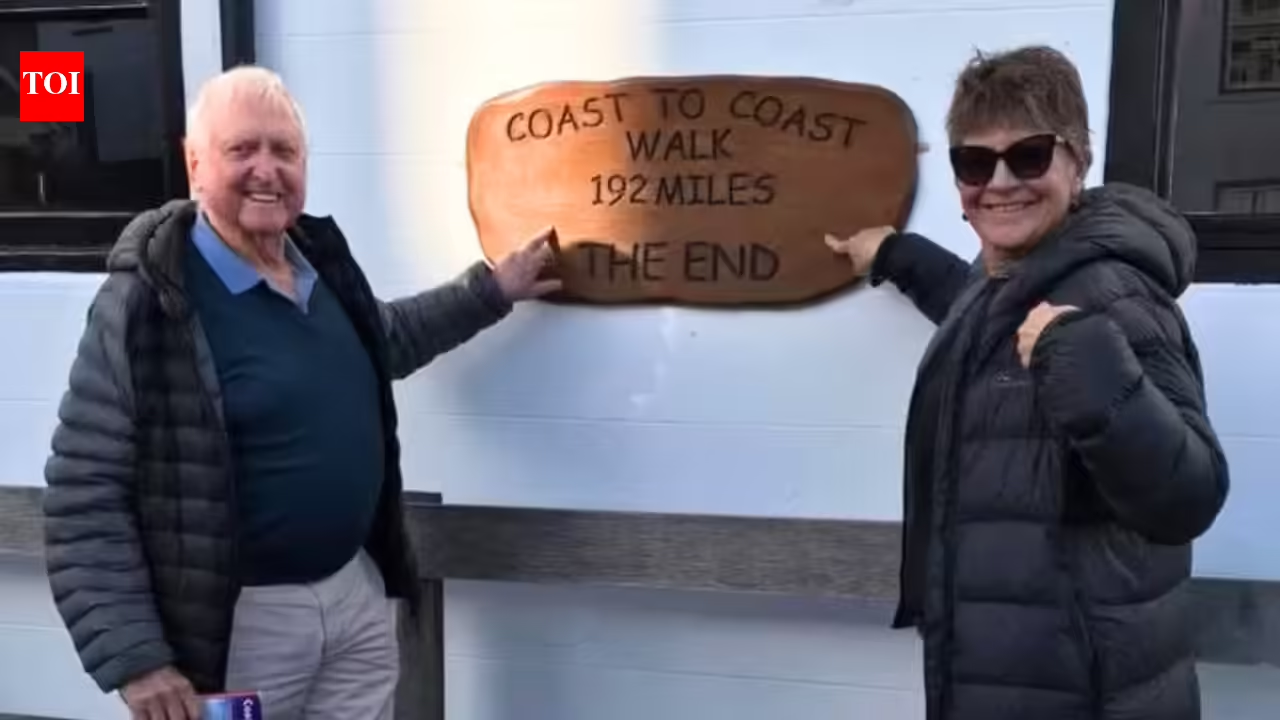
Australian couple Quentin and Kylie Birt have donated more than A$100 million to charitable causes in the past two years, including a recent A$40 million contribution to FightMND. Despite becoming some of Australia’s biggest private donors, the Brisbane-based couple insist they are not trying to build a reputation as philanthropists. Quentin Birt, who made his fortune through civil construction company Q H & M Birt, says the donations are simply about supporting people and causes that can make a real difference.
Why the Australian couple donated more than $100 million
The couple recently donated A$40 million to FightMND during the Big Freeze event in Melbourne. The charity was co-founded by former AFL player and coach Neale Daniher, who was diagnosed with motor neurone disease (MND) in 2013.MND is a progressive neurological condition that damages the nerve cells responsible for controlling muscles. The disease currently has no cure, making research funding crucial for developing treatments and improving patient care.Birt said he was inspired to support FightMND after reading Daniher’s book and learning more about the challenges faced by patients and their families. His decision was also influenced by personal experiences, including the loss of an employee shortly after an MND diagnosis and a close friend who suffered from a similar degenerative illness.The FightMND contribution is only one part of the couple’s recent charitable efforts. Reports indicate that Quentin and Kylie Birt have donated more than A$100 million over the past two years.Among their largest contributions was a reported A$57 million donation to the Redtails Pinktails Right Tracks Program, an initiative focused on creating sporting, educational and employment opportunities for young people, particularly Indigenous Australians in remote communities.Their giving spans medical research, youth development and education, suggesting a focus on projects that can create long-term social benefits rather than short-term publicity.
From a dairy farm to a construction fortune
Quentin Birt’s story is one of significant social mobility. Raised on a dairy farm north of Gympie in Queensland, he has described his family’s circumstances as poor during his childhood.After becoming the first child in his district to attend high school, he began his career as a cadet railway engineer. In 1973, he launched Q H & M Birt with modest resources and secured his first contract building a car park for Australia Post in Brisbane.Over the following decades, the company grew into one of Australia’s largest civil construction fleet operators and completed billions of dollars worth of infrastructure projects. That success ultimately provided the resources behind the couple’s charitable giving.
Why they reject the philanthropist label
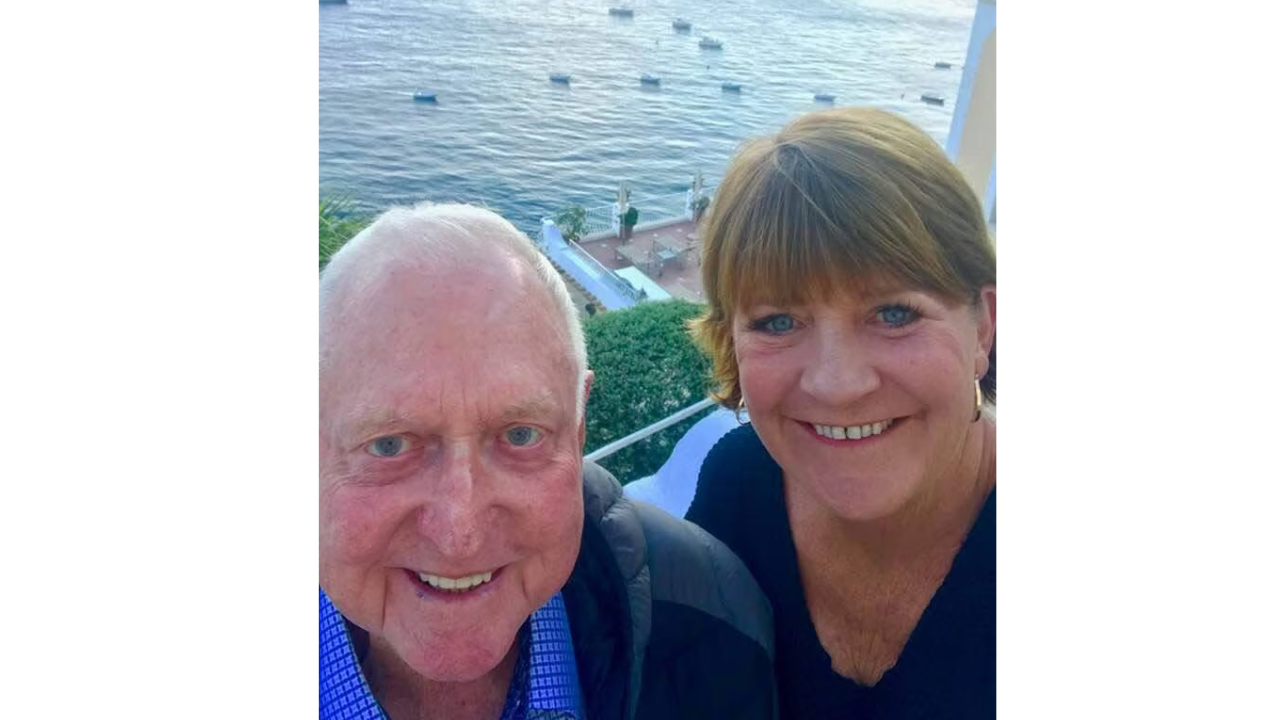
Despite their donations, the Birts do not see themselves as philanthropists. Quentin Birt has argued that generosity should not be judged by the size of a donation.He compared his contributions to those of a child saving a small amount of money for charity, saying both are examples of people giving what they can. In his view, the willingness to help matters more than the dollar amount attached to a donation.The couple also say they do not actively search for causes to support. Instead, they are drawn to individuals and organisations with a clear vision and a proven commitment to solving problems.
Focused on impact, not recognition
One of the most striking aspects of the Birts’ approach is their preference for staying out of the spotlight. Quentin Birt revealed that the FightMND donation was originally intended to remain anonymous before details became public.For the couple, the real credit belongs to researchers, educators and community leaders working directly on the issues. Their role, they say, is simply to provide support where it can help achieve meaningful results.


Nigeria, UAE Customs foil tramadol smuggling attempt

Court sentences Ogun woman to 45 years imprisonment for child trafficking

6/15: CBS Evening News

Second Dan Sullivan ineligible for ballot in Alaska Senate race, official rules

37 Ships Laden With Food, Fuel and Goods Set to Arrive Lagos Ports

NESREA, Customs arrest four, seize 130kg elephant tusks in wildlife trafficking bust

Senate denies Oshiomole’s claim of forged signatures in Natasha’s suspension report

 Investigation1 day ago
"If bandits kidnap my wife, I won’t pay ransom. I’ll remarry because they would have slept with her" – Nigerian man
- World2 days ago
Horror as girl, 5, kidnapped and raped while being driven home on motorbike by grandad
- Politics1 day ago
Governor Okpebholo congratulates Edo Queens, reaffirms commitment to sports development in Edo State
- Breaking2 days ago
I had s3x with my wife only 6 times, her pregnancy canât be mine – Man tells Kaduna court
- Breaking3 days ago
"I long for, at least, peace to mourn, but Euracare Hospital has robbed me even of that" â Author Chimamanda Adichie writes after court stalled inquest into son’s death
- Business2 days ago
FCT residents decry rising cost of tomatoes
- Breaking2 days ago
Anambra Govt confirms arrest of pastor accused of âwife-snatching and swappingâ, recover 11 babies
- News2 days ago
Kogi bans night travel, restricts okada operations over security concerns