National
2027: Every Vote Will Count, Politicians Hoarding PVCs Won’t Succeed — INEC

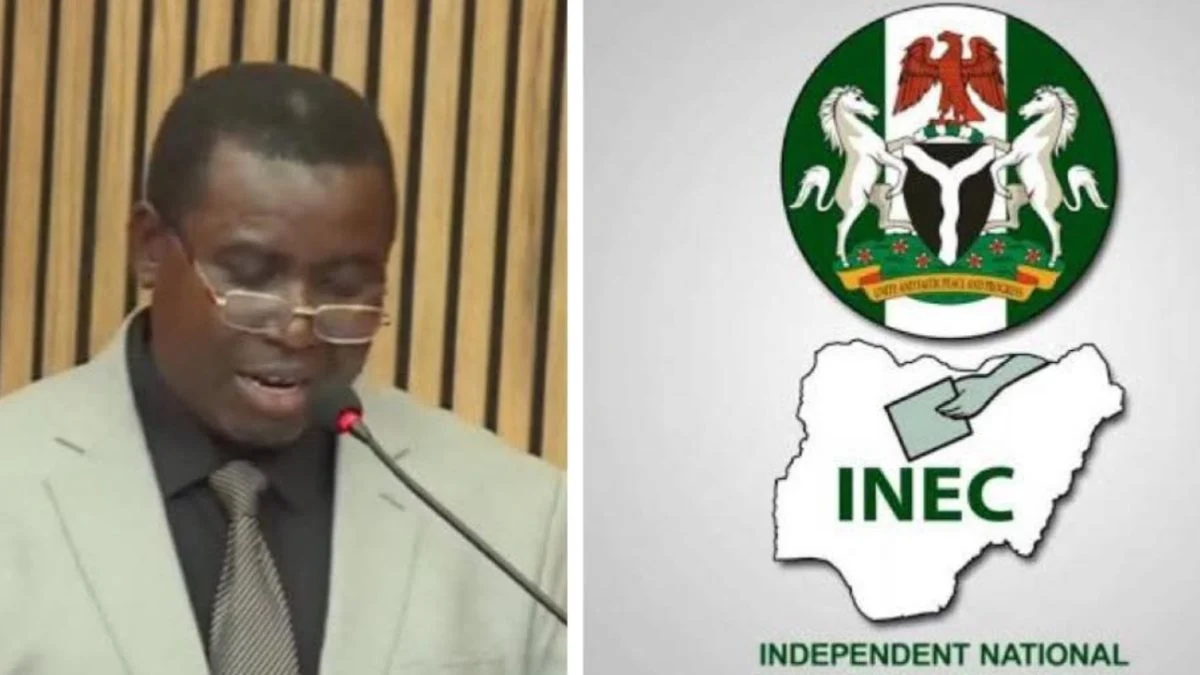
The Independent National Electoral Commission (INEC) has assured Nigerians that every valid vote cast in the 2027 general elections will count.
It declared that attempts by politicians to manipulate the process through the collection or hoarding of Permanent Voter Cards (PVCs) will no longer produce electoral victories.
The electoral body said it remains committed to conducting free, fair and credible elections across the country and promised that the outcome of the polls would reflect the genuine choices made by voters.
Speaking at a seminar held in Ilorin, Kwara State, on Thursday, the Head of Voter Education and Publicity of INEC in the state, Dr. Adejumo Peter, said technological improvements introduced into the electoral process had significantly reduced opportunities for electoral fraud.
The seminar was organised by the Correspondents’ Chapel of the Nigeria Union of Journalists (NUJ) and focused on preparations ahead of the 2027 general elections.
Peter stated that politicians who still believe they can influence election outcomes by stockpiling PVCs are operating with outdated assumptions about the electoral system.
According to him, measures already put in place by the commission make it impossible for anyone to vote with another person’s voter card.
“INEC has introduced measures that make it impossible for anyone to use another person’s PVC to vote. That is why politicians have shifted their focus to vote-buying.
“Many politicians are still living in the past. Stockpiling and carting away PVCs can no longer guarantee electoral victory,” he said.
He stressed that the commission would strictly follow the provisions of the Electoral Act and all approved guidelines in conducting future elections.
Peter assured residents that electoral officers would remain professional and impartial throughout the exercise.
“INEC in Kwara will follow the rules and procedures laid down by the commission. We will ensure that the elections are conducted on the basis of one person, one vote. At the end of the exercise, the outcome will reflect the will of the people,” he said.
The INEC official also urged political parties and their supporters to embrace peaceful campaigns and avoid actions capable of threatening public order before, during and after the elections.
He advised politicians to focus on presenting programmes and policies that address the needs of Nigerians instead of engaging in intimidation, violence or other forms of electoral misconduct.
“I urge politicians to play by the rules. They should campaign on their manifestos and shun violence before, during and after the elections.
“Let us conduct the elections peacefully like a sporting contest. They should accept the outcome of the elections,” he added.
The seminar also featured discussions on recent changes introduced into Nigeria’s electoral framework through the amended Electoral Act 2026.
Delivering a presentation on the theme, “Dissecting the Amended Electoral Act 2026: Innovations and Implications for Nigeria’s 2027 General Elections,” the Head of INEC’s Legal Unit in Kwara State, Abdulfatai Atata, described the legislation as a major step in the country’s democratic journey.
According to him, the law contains several reforms designed to improve the integrity of elections, strengthen the internal processes of political parties and expand the use of technology in electoral administration.
Atata noted that the 2027 elections would provide an opportunity to test the effectiveness of the new provisions and determine how well they can support democratic governance.
He explained that while the legislation introduces important innovations, it also raises legal and operational issues that may require careful interpretation and implementation.
“As Nigeria approaches the 2027 general elections, the Act will serve as both a test and a tool for deepening the country’s democratic governance.
“It introduces commendable reforms aimed at enhancing transparency, strengthening internal party democracy and leveraging technology. At the same time, it raises critical legal and practical questions, particularly in relation to constitutional consistency, the enforceability of campaign finance limits, the ouster of judicial jurisdiction in party affairs, and the narrowing of grounds for election petitions.
“Ultimately, the success of these innovations will depend not only on their legislative design but also on effective implementation, institutional capacity and judicial interpretation,” Atata said.


George Clooney And Wife Amal Flee France Home Under Uncontrollable Circumstances: ‘Terrible Moment’

Tinubu dissolves committee on sale of Federal Government properties

Weeks after announcing divorce from singer Diamond Platnumz, Tanzanian musician Zuchu announces they are expecting their first child together

Abia: ‘Where will I get N150 million for billboards’ – AAC guber candidate fumes [VIDEO]

Pi-CNG boss seeks partnerships, investment to achieve clean mobility agenda

California’s billionaire enclave ousts Miami island as most expensive zip code

Lawyer Debunks Viral Myths About How Nigerian Lawyers Are Buried

 Investigation3 days ago
âOne of my colleagues took the HIV prevention injection, Lenacapavir, and started experiencing this reaction shortly afterâ â Nigerian nurse
- Investigation3 days ago
Bandits abduct 13 passengers on JosâKano highway, police rescue 9
- Society3 days ago
H1 2026: FCMB Group sustains performance, Reports 99% growth in profit before tax to ₦157.3 billion
- Society3 days ago
“We Have Done Everything Possible for Peace, But Adwoa Safo Wants GH¢3.7 Million Before Releasing Our Father’s Body” — Nana Kwadwo Safo Akofena
- Investigation3 days ago
Tinubu will run for third term if Good keeps him alive â Babachir Lawal claims
- News3 days ago
India activists demand release of detained ‘cockroach’ protesters
- News3 days ago
I prayed my grave wouldn’t be in the forest — Oyo school principal
- News3 days ago
23 inmates regain freedom in Rivers correctional centres