Society
Abuja deserves state police, group counters FG

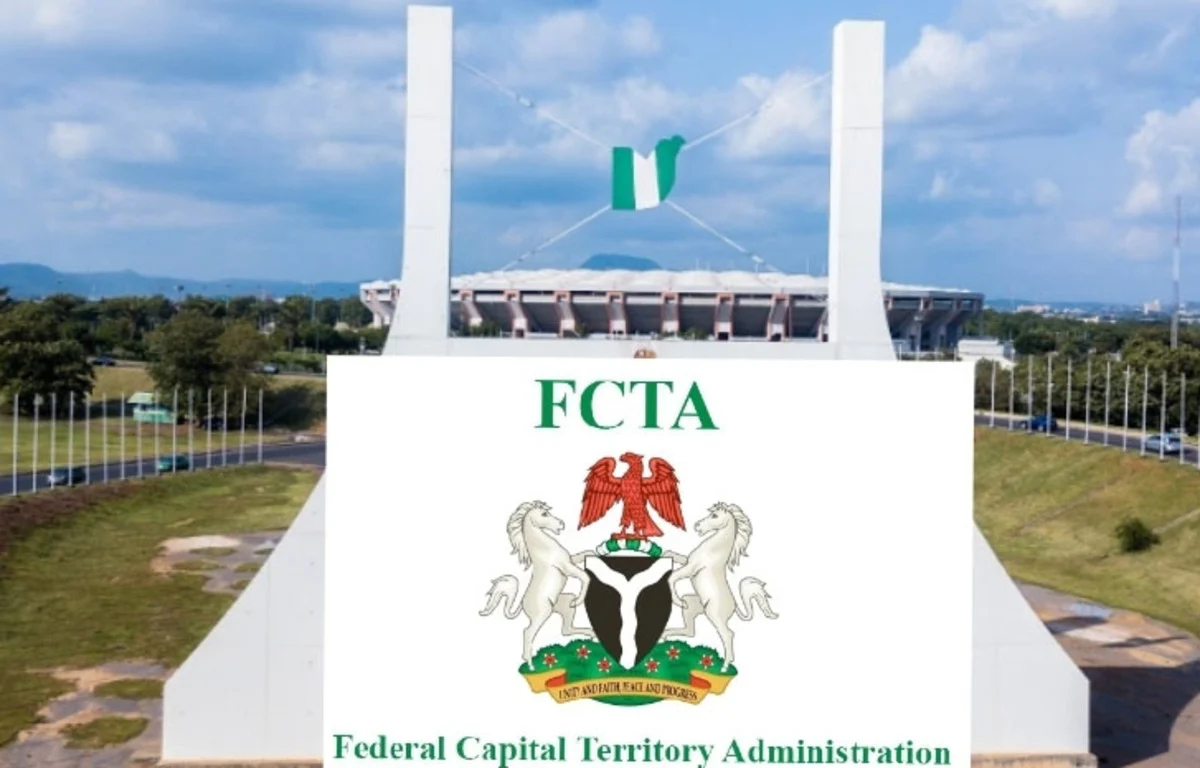
The Federal Capital Territory deserves to have local police drawn from indigenous people in the area whose ancestors owned the land, Network of Journalists on Indigenous Issues (NEJII) said at the weekend.
The group was responding to the statement credited to the presidency that Abuja, the federal capital, would not have state police. The president said the FCT will be under the jurisdiction of the Nigeria Police Force, which would be renamed the Federal Police Service.
NEJII, in a statement signed by its officials, Akinwale Kasali and Fred Ojinika, said Abuja, though yet a state capital, should not be denied the territory of local police drawn from Abuja Original Inhabitants (AOIs). NEJII said security is tied to territorial sovereignty and physical and economic ancestry, adding that the position of the federal government negates the United Nations Declaration on the Rights of Indigenous Peoples.
“The idea of not having State Police in Abuja is wrong. There are some 2.5 million indigenous people in the Federal Capital Territory. There should be State Police in Abuja, which should be constituted by indigenous people in the FCT,” NEJII said in the statement issued at the weekend.
ALSO READ: Ekiti North primary: Senator Arise confirms lawsuit against APC, gives reasons
The group called on the presidency and the National Assembly to reject any proposal that excludes indigenous people from state policing.
“The Nigerian government should learn from the police structure in Washington, London, and New York. The global best practice is for state capitals to have their own police, usually largely drawn from original inhabitants of the capital city. In the case of Abuja, there are some nine indigenous ethnic groups in the FCT. They should not be denied this historic opportunity,” NEJII said. The group said the proposed state police should recognise the Abuja Metropolitan Police drawn from indigenous inhabitants of the FCT.
It argued that Abuja’s original inhabitants form the majority of the people in the FCT. They own the land. They are attached spiritually, emotionally, and sociologically to the land. It is their ancestral home.
Having been denied the status of a state, they cannot again be denied being stakeholders in the policing of Abuja. In fact, the original inhabitants of Abuja are the first nation; they are the first stakeholders that should be considered in Abuja policing. The network said it was unfortunate that Abuja’s original inhabitants are denied the right to vote for State House of Assembly members and governors, and now they will not be involved in the State Police, a critical aspect necessary for the protection of indigenous values, culture, heritage, and forest resources.
NEJII said across the 36 states, police will be recruited mostly from indigenes of the states.
“With the lack of state police in Abuja, the implication is that some 2.5 million, representing nine ethnic groups, will be denied and marginalised from involvement in state policing. This is a conscious way to further marginalise and isolate Abuja Original Inhabitants, AOIs,” NEJII said.


2027: Oyo APC constitutes reconciliation committee to pacify aggrieved members

A US county welcomed 37 data centres. Now its schools are being told to dim lights as power bills jump 25%

Puntland Rejects Federal Fisheries Deal, Asserting Sovereign Control Over Maritime Resources

‘What offence has Borgu committed’ – Youth leader questions government over insecurity

Zen Energy Faces Winding Up Order Amidst $1.5 Billion Government Contract Default

The real reason behind Taylor Swift and Travis Kelce's 'no-gift' wedding policy and why more couples are doing the same

Chelle yet to sign new Eagles deal as rivals circle

 National2 days ago
Against Nigerian Law, CBN Deputy Governor Emem Usoro Allows Her Eleven Years Old Twin Daughters To Be Company Boss
 Investigation3 days ago
Inside American businessman Michael Rubinâs annual White Party with A-list celebrities in attendance (photos/video)
- World1 day ago
Girl, 16, repeatedly raped by her older brother who 'saw his late wife in her'
- Investigation2 days ago
Oyo state govt denies VDMâs claim of paying ransom for release of abducted students and teachers
- Investigation2 days ago
"Sometimes a man can genuinely love a woman and still not marry her because his spirit isn’t at peaceâ â X user shares opinion
- Investigation2 days ago
âWhatâs my sin?â â TV host Morayo Afolabi-Brown reacts after caller cÂ¥rses her over questions asked during interview
 Society16 hours ago
Sad Video emerges showing Kenyan Lady working in the Middle East crying in distress
- Investigation3 days ago
âSheâs ignoring my late husbandâs will and trying to take all his propertiesâ â Demola Serikiâs third wife, Sholape, calls out co-wife Wosilat Okoya Seriki