World
Archaeologists Were Wrong About How These Famous Inca Child Mummies Died

This Video Is Trending Right Now
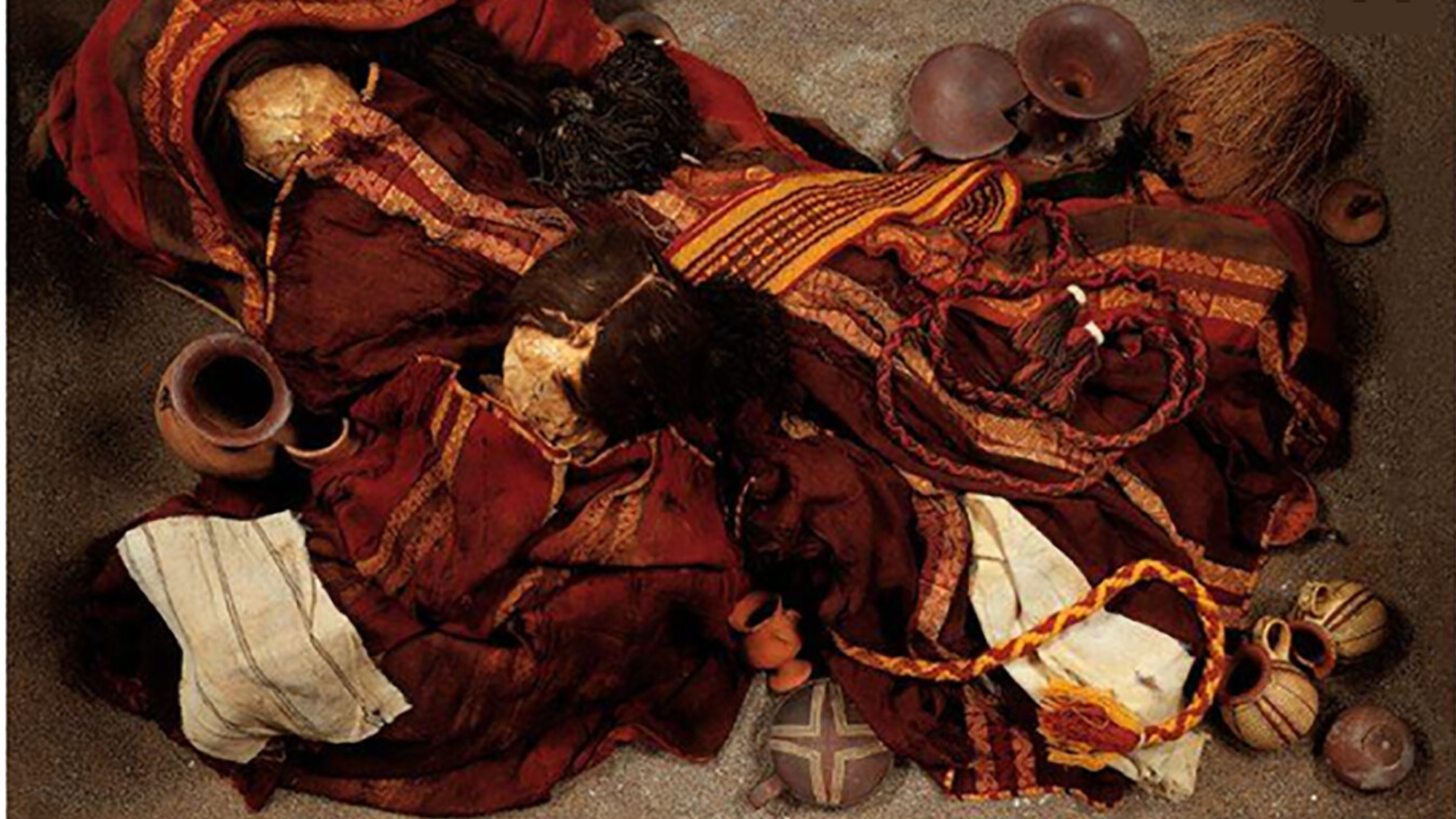
Back in 1954, the preserved remains of sacrificed Inca children were found high in the Andes. Just over 70 years later, researchers re-examined the bodies and discovered their deaths may not have happened the way archaeologists once thought.
According to a new study in Science Advances, reported by Live Science, researchers used a suite of modern technology, including CT scans, forensic analysis, radiocarbon dating, and chemical studies of the children’s hair, to get a better understanding of the three Capacocha mummies: the Boy of El Plomo and two girls from Cerro Esmeralda in present-day Chile.
Scientists once believed the El Plomo boy, who was around 8 years old, froze to death during a sacred ceremony atop a 17,700-foot mountain. That’s a slower demise than the new evidence suggests, which was, to put it bluntly, rather blunt and brutal: a blow to the head from what might have been a star-shaped ceremonial mace.
The two girls, ages nine and 18, were once believed to have been strangled, but the researchers now think that the marks on their necks happened after death, likely caused by tightly wrapped burial textiles. This means their actual cause of death is unknown, but, according to the researchers, at least one theory can be ruled out.
Inca Child Sacrifices Like These Took a Lot Longer Than You Might Think
The new study also changes what researchers knew about the Capacocha ritual itself. They used to think that children were marched up the mountain for sacrifice, as is the common pop cultural concept of tribal ritualistic sacrifice. It wasn’t so immediate as that, and it was much more arduous, according to the new research.
Isotopic analysis suggests that the children traveled enormous distances over several months as part of sacred pilgrimages across the Incan Empire. The boy, for instance, is believed to have traveled somewhere in the neighborhood of 1,700 miles for nine months before he was clubbed to death as an honored offering to become divine intermediaries between the gods and the living.
While there is some dispute among archaeologists about the details of the latest findings, and whether isotope data can accurately reconstruct pilgrimage routes, for instance, if any of this holds, it’s a remarkable discovery that simultaneously clarifies and horrifies.


Van Jones gives Trump credit for attending WHCA dinner before blasting his speech as ‘mean and small’

This 294-Million-Year-Old Fossil Preserved Something Scientists Almost Never Find

Transfer: Cape Verde goalkeeper, Vozinha joins new club after World Cup

Man, 46, Arraigned For Assaulting Woman Over Sex In Dopemu
Man Arraigned In Lagos For Allegedly Killing Cow Kept In His Custody For Pepper Soup

Bechtel CEO: to build America’s future, we must first build the builders

APC will win Osun gov poll – Oyetola’s wife

 Breaking2 days ago
âFailed nation, failed parenting and lack of home training’- Lawyer, Deji Adeyanju blasts podcast host for saying a poor man has no place in her heart’
 News3 days ago
Court rejects Bello Bodejo's request to review ₦2 billion bail conditions
- Investigation3 days ago
US didnât detain our President after World Cup Final – Argentine FA says
 News3 days ago
Court Delays Trial Of Alleged Abuja Land Grabbers Over ₦500m Fraud Case
- Society3 days ago
Mid-Year Budget Review: Government Allocates GH¢400 Million For New Buses To Boost Public Transport Fleet
- Investigation2 days ago
Chelseaâs Garnacho joins Aston Villa on loan
- News3 days ago
Businesswoman Loses ₦1m Goods After Exhausting Lagos Trip
- Investigation3 days ago
My past comments about Tinubu now baseless, not lies â Daniel Bwala