National
EU Mandates End to Unsold Fashion Waste: New Regulations Target Retailers and Manufacturers

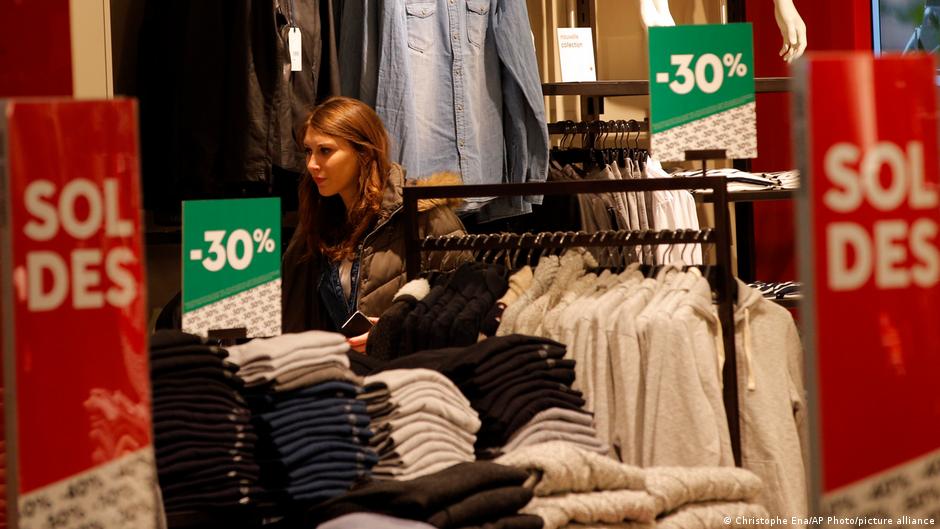
A significant regulatory shift has taken effect across the European Union, prohibiting the disposal of unsold clothing and footwear. This directive, implemented on July 19, 2026, marks a pivotal step in the bloc’s strategy to combat escalating waste within the fashion industry. The new rules are poised to impact large fashion retailers, wholesalers, and manufacturers, particularly those whose operations fall outside the EU, as only 20% of apparel sold within the bloc is produced domestically.
Under the EU’s Ecodesign for Sustainable Products Regulation, companies exceeding 250 employees and achieving over €50 million in annual net turnover are now legally bound to cease the destruction of unsold apparel, accessories, and footwear. The regulation mandates that these firms must explore alternative avenues for their surplus stock, including discounted sales, placement in alternative markets, or donation to charitable organisations. Destruction of goods is permissible only in instances where items are deemed unsafe, damaged, counterfeit, or rejected by charities, as detailed on the European Commission’s website. Furthermore, affected companies are now obligated to compile and publish annual reports detailing discarded goods and maintain comprehensive records for a period of five years. This regulation, initially approved over two years prior, is slated for extension to medium-sized enterprises in 2030.
The impetus for this stringent ban stems from growing concerns over the environmental impact of “fast fashion”—characterised by low-cost, mass-produced, and often lower-quality garments. According to the European Environment Agency (EEA), an estimated 4% to 9% of unsold textile products are destroyed annually. This waste stream has been significantly amplified by the rapid expansion of online retail and the associated high rate of returns; approximately one in five fashion items purchased online within the EU is returned and subsequently not resold. Collectively, these factors contribute to hundreds of thousands of tons of discarded fashion items each year. The ban aims to mitigate the environmental toll, including the reduction of greenhouse gas emissions associated with incinerating vast quantities of clothing. EU member states are also under pressure to address waste generated from raw material sourcing, water consumption, energy usage, and transportation within the apparel sector, while simultaneously promoting greater recycling and product reuse. The EEA has articulated a vision for a circular economy within the textile industry, where products are designed for longevity and are subsequently reused, repaired, and recycled, a vision now being codified into law.
The fashion industry has historically defended its disposal practices, citing that destruction can be more cost-effective than the expenses associated with storage, repair, or discounting. However, the German Retail Federation (HDE) anticipates that consumers may benefit from increased availability of discounted apparel through outlets, clearance sales, and second-hand channels. HDE Managing Director Stefan Genth acknowledged the potential challenges for many retailers, noting that the resale or donation of all unsold goods may not be straightforward due to factors such as damaged packaging, high logistics costs, insufficient demand, or low product valuations.
… EU Mandates End to Unsold Fashion Waste: New Regulations Target Retailers and Manufacturers … Naijaonpoint.


Pepper Seller Caught On Camera Applying Pepper On Newborn Baby As Rituals To Usher Her Into The Business

Lamine Yamal makes history as first player under-20 to win UEFA Euro and FIFA World Cup

Silicon Valley is embracing armed robots. Washington is making room.

NUJ, NAWOJ B-Zone urge hitch-free Osun governorship election

Messi Hints At Retirement After World Cup Final Defeat, Faces Criticism Over Conduct Against Spain
‘It Is Only by God’s Grace I’m Alive’ — Daniel Igali Offers Thanksgiving After Major Surgery

Family Mourns as 16-Year-Old Boy Dies After Entering Lake in the UK

 Society2 days ago
Heartbroken Girlfriend Storms Studio To Remove Portrait Tattoo Of Cheating Boyfriend From Her Back
- Breaking2 days ago
Ondo police arrest father for burning his 10-year-old daughter’s private part with hot iron over bedwetting
- Investigation3 days ago
Woman forced to dance as punishment after allegedly being caught sneaking into a compound in Awka
- Investigation3 days ago
Nigerian Pension Funds Anchor Oversubscribed â¦20.69bn Series II Issuance of the FCMB-TLG Private Debt Fund
- Investigation2 days ago
âI canât date a man who earns less than me. Iâve supported men financially before, and Iâm done with thatâ â Mercy Eke
- Investigation3 days ago
Supreme Court orders final forfeiture of Emefieleâs properties
- Society3 days ago
“Marry Me and Get ₦10 Million” — 41-Year-Old Nigerian Woman Publicly Searches for Husband
- Society3 days ago
Local And International Brands Now Want To Work With Me — Yaw Dabo Reveals Following “John Telly” Fame