National
FG to stop electricity subsidy payments from 2027

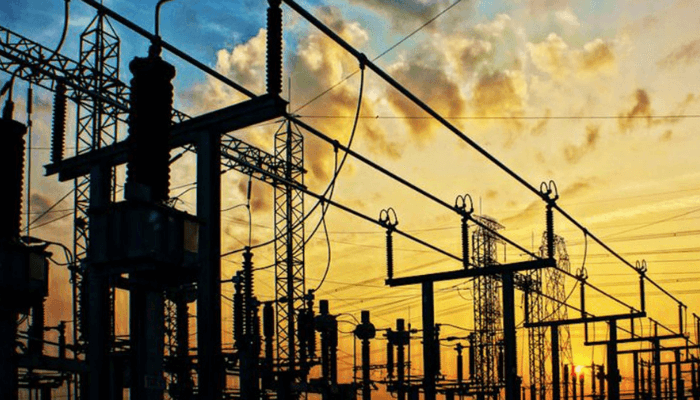
The Federal Government has announced plans to phase out electricity subsidy payments from 2027 as part of broader efforts to address the growing debt burden in Nigeria’s power sector.
Minister of Power, Joseph Tegbe, disclosed this during a media interactive session on Friday, noting that the removal would be gradual and designed to ensure consumers are not adversely affected.
“We have the mandate of Mr President to clear the legacy debt and establish sustainable structures that will prevent further accumulation,” Tegbe said.
“I assure you that by next year, by God’s grace, we will put an end to this so-called subsidy in the power sector. However, we will not deprive Nigerians of access to electricity. Our focus is to improve power supply while maintaining service delivery.”
The minister also clarified that there are no immediate plans to increase electricity tariffs, despite the planned subsidy removal.
The move aligns with recommendations from international financial institutions, including the International Monetary Fund (IMF), which has advised Nigeria to gradually eliminate electricity subsidies.
Government estimates indicate that the subsidy burden stood at about ₦3 trillion as of February 2024, while the Association of Power Generation Companies (GenCos) says it is owed approximately ₦6.5 trillion.
As part of efforts to resolve the crisis, President Bola Tinubu recently approved a ₦4 trillion bond programme to settle outstanding debts in the sector.
Earlier this year, the government issued a ₦501 billion inaugural bond under the Presidential Power Sector Debt Reduction Programme. This was followed by a second tranche of about ₦729 billion announced on July 20 to clear verified obligations owed to generation companies.
In addition, the President directed ministries, departments, and agencies to apply existing electricity laws in determining how subsidy costs will be shared across federal, state, and local governments in the 2026 budget.
The planned phase-out signals a major policy shift aimed at creating a more sustainable and financially viable electricity market in Nigeria.


3 No-Skip Power Pop Albums Turning 30

FG moves to unlock commercial value of Nigerian research at South-West workshop

Hamas agrees to disarm under Trump Peace Plan to end the war in Gaza

Supreme Court Bars Use of “Barrister” Prefix in Official Correspondence

UNILORIN Announces 2026 Post-UTME Screening Dates

Delta gives 86 South African returnees ₦2m per family, monthly stipend

Julia Roberts’ Sister-In-Law Reveals The Timothy Busfield Encounter She Never Forgot

 World2 days ago
My daughter’s squishy toy burst on her legs. We ended up in the emergency room.
- Breaking3 days ago
ââDo not shake hands”- UNILAG shares anti-r@pe advisories to female students
- Investigation3 days ago
âVilification, murd£r of Nigerians in South Africa will not be toleratedâ – Fani-Kayode speaks after graphic video showed ‘Nigerian man t0rtured to de@th’ in SA (video)
- National3 days ago
EXCLUSIVE: Police Indict Unity Bank Cooperative Officials in ₦85 Million Fraud Investigation
- National3 days ago
FG Exceeds 2024 Borrowing Target by ₦4.79tn as Debt Hits ₦12.62tn
- Investigation3 days ago
Nigerian woman di£s of cardiac arrest while visiting the UK
- National3 days ago
Oyo takes delivery of two surveillance aircraft
- World3 days ago
Who Wins (and Who Loses) in the Democrats’ New 2028 Primary Calendar?