National
Gulf Conflict Triggers Global Fertiliser Crisis, Threatening Nigerian Food Security and Agricultural Investment

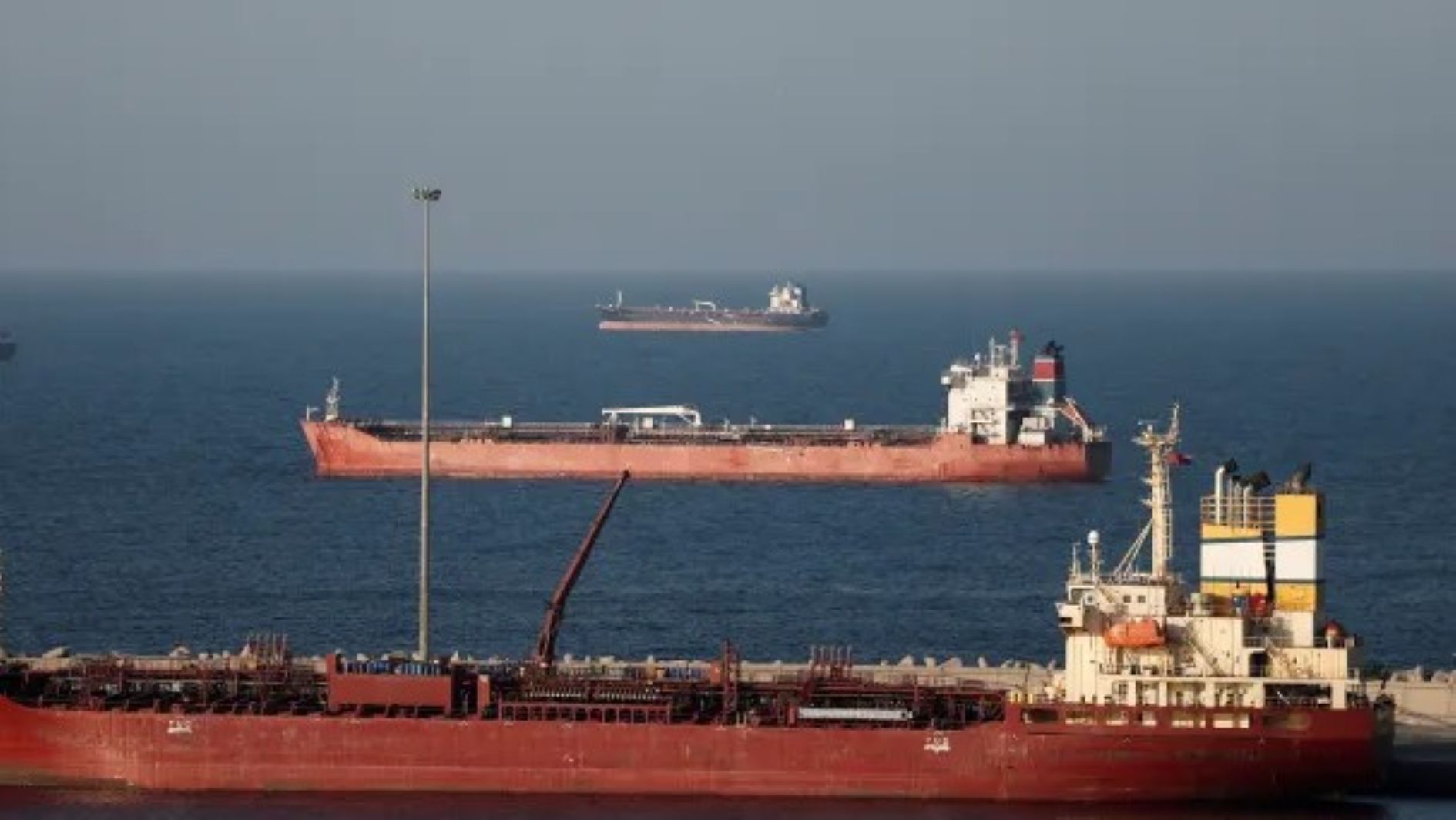
The escalating conflict in the Persian Gulf is severely disrupting global fertiliser trade, posing a significant threat to food security and agricultural investment in import-dependent nations like Nigeria, according to a recent World Trade Organisation (WTO) report. The crisis has brought fertiliser shipments through the vital Strait of Hormuz to a near standstill, leading to supply shortages and escalating prices for farmers worldwide.
The WTO report highlights that while fertiliser prices have seen some moderation from their initial post-conflict peaks, ongoing uncertainty surrounding the Strait’s reopening and export restrictions imposed by major producing nations continue to imperil food production. For Nigeria, a nation that has invested in domestic fertiliser blending capacity through initiatives like the Presidential Fertiliser Initiative, the implications are profound. Despite these efforts, the country remains heavily reliant on imported raw materials, including phosphate, potash, and sulphur, essential for manufacturing a substantial portion of its fertiliser supply.
Gulf economies are significant players in the global fertiliser market, accounting for nearly a quarter of worldwide nitrogen fertiliser exports and over a tenth of phosphatic fertiliser exports. The disruption to shipments via the Strait of Hormuz has made sourcing these critical inputs considerably more challenging and expensive. Even alternative shipping routes incur higher transport costs and logistical complexities, ultimately translating into increased prices for Nigerian importers.
The immediate aftermath of the conflict saw a dramatic surge in fertiliser prices, with urea doubling and diammonium phosphate (DAP) prices rising sharply. Although these prices remain below the record highs experienced during the 2022 Russia-Ukraine war, they are still sufficiently elevated to significantly inflate production costs and diminish profit margins for farmers. This comes at a time when Nigerian farmers are already contending with persistent inflation, insecurity in food-producing regions, exchange rate volatility, and rising input costs.
Durojaiye Olusegun, Founder of Greenfield Agro-Allied Consult and Farming Systems Limited, confirmed the current exorbitant prices of fertilisers, noting the renewed price hikes following the recent hostilities. He explained that the Strait of Hormuz is a crucial shipping route not only for finished fertiliser products but also for key components like urea. Olusegun warned that reduced fertiliser application due to cost pressures inevitably leads to lower crop yields, impacting food supplies and the availability of raw materials for industries, thereby exerting further upward pressure on food prices.
The WTO’s analysis underscores the concentrated nature of global fertiliser production, with a limited number of countries dominating the supply of nitrogen and phosphate fertilisers. This vulnerability highlights the imperative for Nigeria to reduce its dependence on imported inputs by bolstering domestic production of critical raw materials, investing in local phosphate mining, supporting petrochemical industries for fertiliser feedstocks, and strengthening regional supply chains within Africa. Diversifying import sources is also crucial to mitigate exposure to geopolitical shocks originating from any single region.
The report suggests that Nigeria could adopt measures similar to those implemented by other nations, such as fertiliser subsidies, temporary suspension of import tariffs, or increased investment in domestic production. Expanding fertiliser support programmes, ensuring timely distribution, improving access to agricultural credit, and promoting efficient fertiliser use through precision farming and soil testing are among the potential interventions. These strategies could help maintain agricultural productivity and cushion the impact of global market disruptions on the sector.
The WTO’s findings serve as a stark reminder that global geopolitical events can have rapid and significant repercussions on domestic agriculture. Ensuring reliable access to affordable fertiliser remains paramount for safeguarding food production, controlling inflation, and fortifying Nigeria’s long-term food security.
… Gulf Conflict Triggers Global Fertiliser Crisis, Threatening Nigerian Food Security and Agricultural Investment … Naijaonpoint.


Wike-Backed PDP, APGA, LP Fail to Submit Presidential Candidates to INEC

19-year-old boy arrested for allegedly r@ping two sisters, aged 11 and 6 in Abia

Air Peace Aircraft Damaged After Baggage Vehicle Hits Engine at Lagos Airport

I spend N400m monthly, excluding my wife’s expenses – Davido

Late Adebambi Family Rejects Estate Fraud Allegations, Accuses Ex-Wife Of Unauthorized Property Sale

FBI adds Indian-origin man to most wanted list over alleged organised crime links

Gas truck explodes, kills six at army checkpoint in Kogi

 Investigation2 days ago
Each and every one of you is guilty РDanish aid worker Anja Ringgren Lov̩n slams Nigerians filming malnourished child accused of being a witch in viral video
- News3 days ago
Army officer killed during rescue of kidnapped Oyo pupils, teachers buried
- National2 days ago
Gbajabiamila: I borrowed N400 million to buy appointment in Tinubu’s government, says Adeyemi
- Society3 days ago
NPP Internal Elections: Bantama NPP Supporter Goes Half N@kɛd At Night, Invokes Curses On Delegates Over Disputed Constituency Election
- Investigation3 days ago
Parents to pay â¦50,000 to register each child for WAEC or NECO SSCE as govt approves 82% increase
- Investigation2 days ago
Female teacher admits to having s£x with boy, 16, as she splits from husband who first exposed her misconduct.
- Investigation2 days ago
Twelve people arrested after âextreme right-wing terror threatâ against Islamic event in UK
- Society3 days ago
Gov Zulum donates additional N200m to Orthopaedic Hospital