Breaking
NEMA to lead Nigeria’s humanitarian transition as UN shifts coordination role

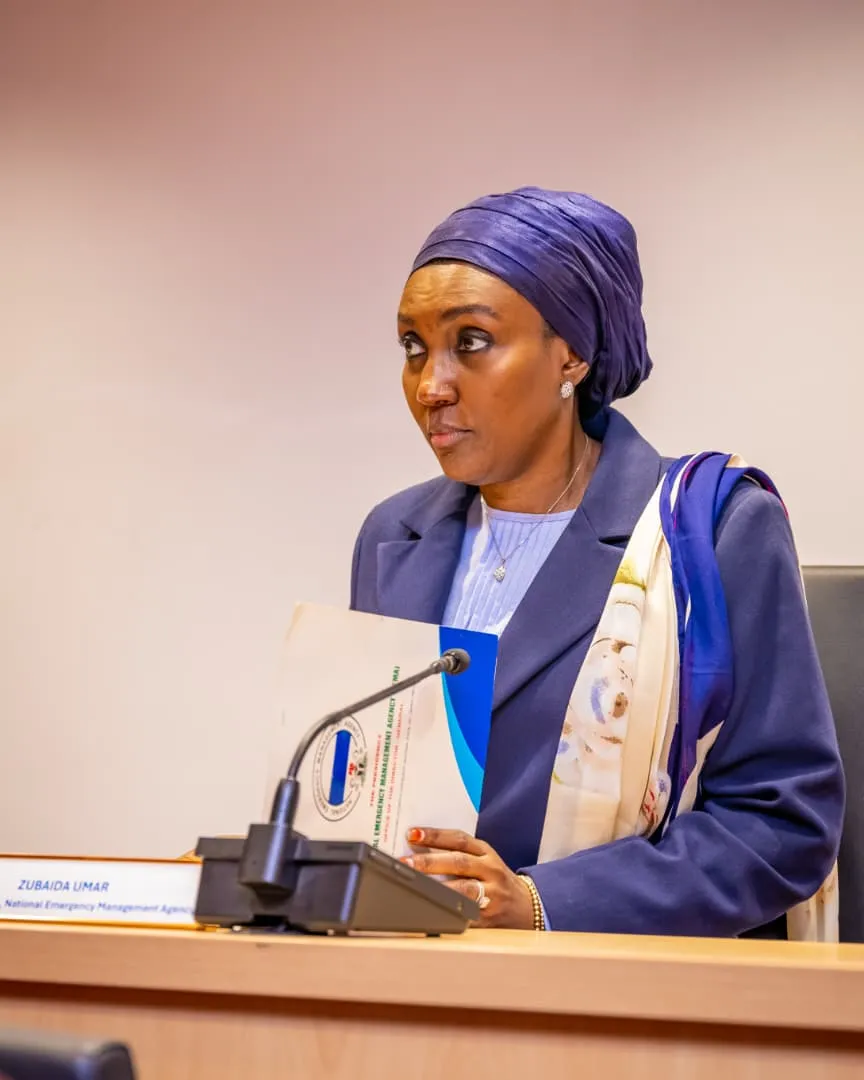
The National Emergency Management Agency, NEMA, has reaffirmed its readiness to lead Nigeria’s transition to a nationally driven humanitarian response system as the United Nations shifts from direct operational coordination to a supporting role.
Director-General of NEMA, Zubaida Umar, gave the assurance on Tuesday at the opening of the Humanitarian Transition Workshop organised by the United Nations Office for the Coordination of Humanitarian Affairs, UNOCHA, in Abuja.
She described the transition as a major step toward building a sustainable, nationally owned humanitarian system capable of responding effectively to disasters and emergencies across the country.
According to Umar, the transition aligns with NEMA’s statutory responsibility of coordinating disaster management and humanitarian interventions nationwide.
She said the agency would provide strategic leadership by strengthening coordination among stakeholders, improving disaster preparedness, promoting anticipatory action, enhancing data management and fostering partnerships at the federal, state and local levels.
The NEMA boss said the workshop would enable stakeholders to develop a joint action plan for strengthening federal and state institutions, improving coordination mechanisms and ensuring humanitarian interventions remain inclusive, accountable and responsive to the needs of vulnerable populations.
She reaffirmed the agency’s commitment to working closely with State Emergency Management Agencies (SEMAs), United Nations agencies, development partners and other stakeholders to build a resilient and locally owned humanitarian response system.
Minister of Humanitarian Affairs and Poverty Reduction, Dr Bernard Doro, said the changing global humanitarian landscape had made the transition imperative.
He urged state and local governments, the private sector, development partners and Nigerians in the diaspora to support the process by mobilising resources to assist vulnerable communities.
Also speaking, the United Nations Resident Coordinator in Nigeria, Dr Mohamed Malik Fall, clarified that the humanitarian transition did not signify the UN’s withdrawal from Nigeria.
Rather, he said, it represented a strategic shift aimed at enabling Nigerian institutions to assume greater responsibility for humanitarian interventions while the UN continues to provide technical expertise, capacity building and other forms of institutional support.
The workshop brought together representatives of federal and state governments, UN agencies, development partners and civil society organisations to develop strategies for strengthening nationally led humanitarian action and ensuring a smooth transition to a sustainable humanitarian response system in Nigeria.


How can presumed educated people act like this? – Catholic priest reacts to video of clergyman and his congregants praying against an oowl

Moment police interrogate alleged fake PFIPC DG, Adeniyi Adeyemi [VIDEO]

2,000 years after Pompeii vanished beneath volcanic ash in one of history's deadliest volcanic disasters, the ancient Roman street is blooming with flowers, offering a symbol of nature's renewal

56-year-old man caught dumping refuse in drainage in Lagos

No cause for alarm, ADC tells members as court bars INEC from recognising Mark led congresses

Beware of possible flood within seven days, NIHSA warns states

Three suspected terrorists arrested in Bauchi forest

 Investigation1 day ago
Each and every one of you is guilty РDanish aid worker Anja Ringgren Lov̩n slams Nigerians filming malnourished child accused of being a witch in viral video
- National3 days ago
At Last, Fresh Video Showing How Some Of The Terrorists Was Arrested During Rescue Of Oyo Schoolchildren Emerged [WATCH HERE]
- News2 days ago
Army officer killed during rescue of kidnapped Oyo pupils, teachers buried
- National23 hours ago
Gbajabiamila: I borrowed N400 million to buy appointment in Tinubu’s government, says Adeyemi
- Investigation3 days ago
Become a presidential candidate before you challenge me to a debate – Peter Obi replies Minister of Works, Dave Umahi (video)
- Investigation3 days ago
Please help poor Nigerians. The burden is heavy on government – First lady, Remi Tinubu appelas to Davido, Asake, Burna Boy (video)
- Society2 days ago
Yoruba elders alert of plot by Fulani to conquer South-West, rally eminent Nigerians
- Investigation3 days ago
Singer Beyoncé cuts Jay-Z’s hair in opening night of ‘reasonable doubt’ 30th anniversary shows