National
NPA Mandates Price Floor Hike for Petroleum Products, Impacting Market Dynamics from July 16

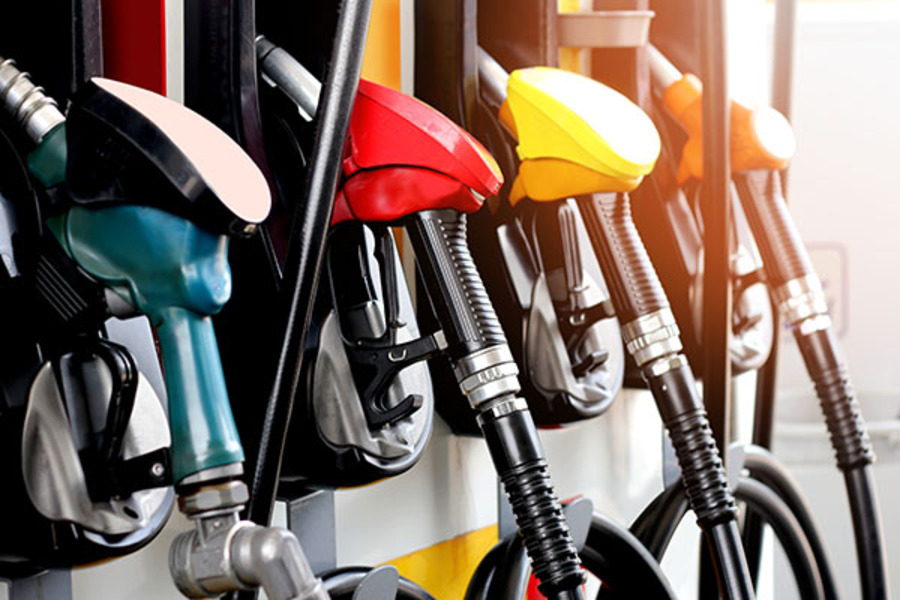
The National Petroleum Authority (NPA) has mandated an increase in the price floor for various petroleum products, a move set to take effect from July 16, 2026. This regulatory adjustment will necessitate upward revisions in pump prices across the sector, impacting Oil Marketing Companies (OMCs) and consumers alike.
The price floor for petrol has been raised from GHC 12.79 to GHC 13.28 per litre. Similarly, diesel’s price floor has been elevated from GHC 13.54 to GHC 14.35 per litre. Consequently, fuel prices are anticipated to rise from Thursday, July 16, 2026.
This directive stems from existing regulations that prohibit OMCs and LPG Marketing Companies (LPGMCs) from selling petroleum products below the officially sanctioned price floor within a given pricing window. Any entity currently operating below these revised thresholds will be compelled to adjust their pump prices accordingly.
The timing of this mandated increase is noteworthy, occurring amidst projections from the Chamber of Petroleum Consumers suggesting a potential decline in fuel prices. These earlier forecasts were predicated on the relative stability of the Ghana cedi and a lack of significant international crude oil price surges in the preceding two weeks.
The NPA first implemented its price floor policy for petroleum products in April 2024. This policy mandates strict adherence to minimum pricing for fuel sales by OMCs and LPGMCs. The Authority has articulated that the policy’s objective is to mitigate price distortions and foster market stability within the downstream petroleum sector, aligning with the Petroleum Pricing Guidelines to enhance transparency, sustainability, and fairness. The NPA contends that this framework promotes a more predictable and balanced pricing structure, ultimately benefiting consumers while ensuring equitable business practices. The decision to implement the policy was reportedly informed by recommendations from various industry participants.
However, the price floor policy continues to draw scrutiny from some industry players who express concerns that it may prevent consumers from capitalising on potential lower fuel prices. This regulatory intervention underscores the ongoing tension between market forces and governmental oversight in the Ghanaian petroleum sector, presenting compliance challenges and strategic considerations for businesses operating within this domain.
… NPA Mandates Price Floor Hike for Petroleum Products, Impacting Market Dynamics from July 16 … Naijaonpoint.


Wike-Backed PDP, APGA, LP Fail to Submit Presidential Candidates to INEC

19-year-old boy arrested for allegedly r@ping two sisters, aged 11 and 6 in Abia

Air Peace Aircraft Damaged After Baggage Vehicle Hits Engine at Lagos Airport

I spend N400m monthly, excluding my wife’s expenses – Davido

Late Adebambi Family Rejects Estate Fraud Allegations, Accuses Ex-Wife Of Unauthorized Property Sale

FBI adds Indian-origin man to most wanted list over alleged organised crime links

Gas truck explodes, kills six at army checkpoint in Kogi

 Investigation2 days ago
Each and every one of you is guilty РDanish aid worker Anja Ringgren Lov̩n slams Nigerians filming malnourished child accused of being a witch in viral video
- News3 days ago
Army officer killed during rescue of kidnapped Oyo pupils, teachers buried
- National2 days ago
Gbajabiamila: I borrowed N400 million to buy appointment in Tinubu’s government, says Adeyemi
- Society3 days ago
NPP Internal Elections: Bantama NPP Supporter Goes Half N@kɛd At Night, Invokes Curses On Delegates Over Disputed Constituency Election
- Investigation3 days ago
Parents to pay â¦50,000 to register each child for WAEC or NECO SSCE as govt approves 82% increase
- Investigation2 days ago
Female teacher admits to having s£x with boy, 16, as she splits from husband who first exposed her misconduct.
- Investigation2 days ago
Twelve people arrested after âextreme right-wing terror threatâ against Islamic event in UK
- Society3 days ago
Gov Zulum donates additional N200m to Orthopaedic Hospital