Society
Tinubu’s latest power idea is my 21-year-old blueprint — Atiku

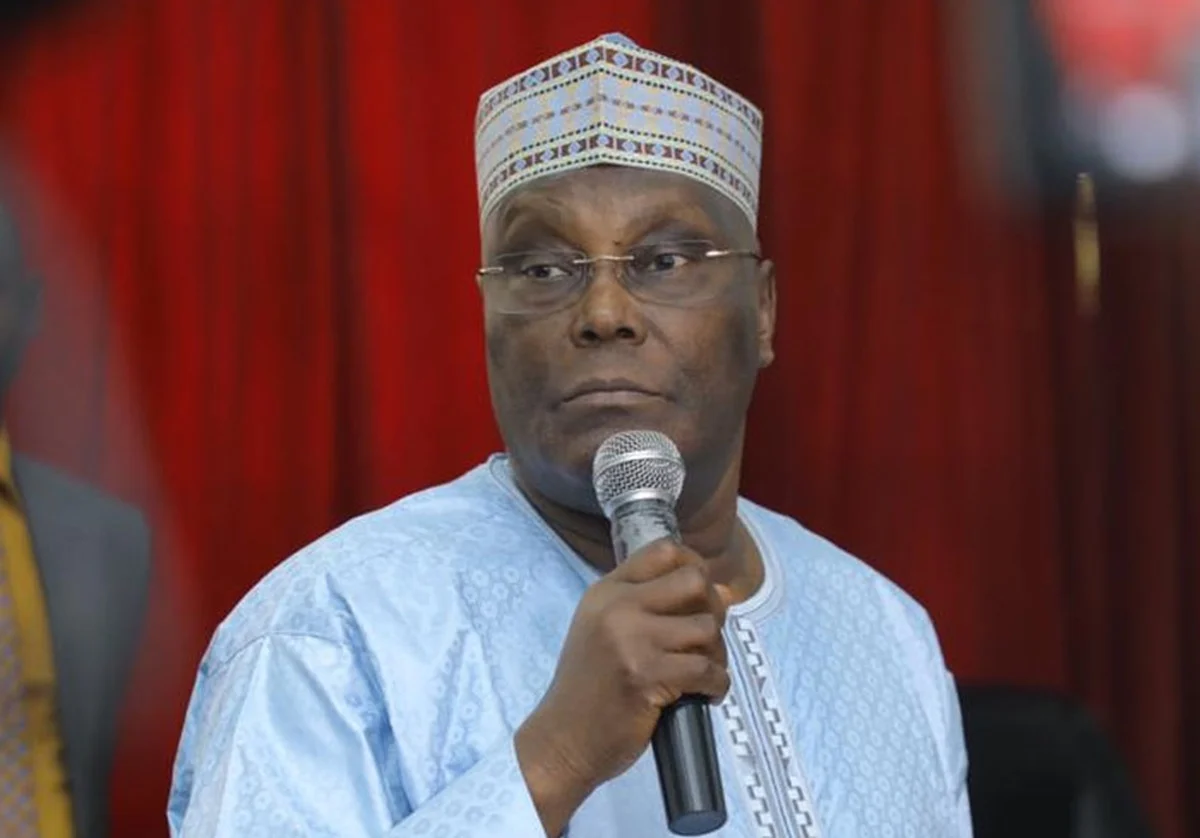
Former Vice President Atiku Abubakar has said the Tinubu administration has finally adopted a policy direction he first advocated more than two decades ago, after nearly three years of what he described as “poor planning and misplaced priorities” in the power sector.
Atiku, in a statement issued on Sunday by his Senior Special Assistant on Public Communication, Phrank Shaibu, said the recent admission by the Minister of Power that Nigeria can no longer depend solely on large, centralised power plants amounts to a belated endorsement of the decentralised electricity model he championed since 2005.
“It should not take a government three years in office to discover what was obvious more than two decades ago,” Atiku said.
ALSO READ: Troops arrest wanted soldier for supply of military gear to terrorists
He criticised the administration for increasing electricity tariffs before implementing structural reforms.
“A government that thinks before it acts would have fixed the system before asking citizens to pay more. Unfortunately, this administration has done the exact opposite—raising tariffs first and only now beginning to think about the reforms required to justify those increases.”
Atiku recalled that during his tenure as Vice President, he consistently urged President Olusegun Obasanjo to decentralise electricity generation by harnessing hydro, solar, gas and other viable sources.
He disclosed that when President Obasanjo set up the Power Sector Reform Committee based mainly on gas-fired generation, he was appointed Chairman but declined to preside.
“This has been my position for over two decades. When President Obasanjo established the Power Sector Reform Committee based primarily on gas-fired generation, I was appointed Chairman. However, because I fundamentally disagreed with the policy direction, I declined to preside over the committee. I believed then, as I do now, that Nigeria’s electricity future lay in a diversified and decentralised energy mix—not an overdependence on a single source.
“Unfortunately, billions of dollars contributed by the Federal Government, states and local governments were committed to that approach, yet the expected results never materialised. Contracts were awarded, huge sums were paid upfront, but much of the promised work was never done. The National Assembly subsequently investigated the power sector reforms and held President Obasanjo accountable for the outcome. I was never invited by the investigators because I had declined to chair the committee despite being formally appointed.”
Atiku said he restated the position in a 2022 interview with ARISE News and made it a central pillar of his presidential campaigns from 2007 through 2023.
“For more than two decades, I have consistently argued that Nigeria’s overdependence on a centralised generation system was economically unsustainable and technically inefficient. Today, the Tinubu administration is merely acknowledging what I proposed years ago.”
The former Vice President lamented that instead of coherent reforms, the current government has spent almost three years “experimenting with the livelihoods of Nigerians.”
“The result has been higher electricity tariffs, struggling businesses, collapsing manufacturers and households paying more for less power.
“The greatest tragedy is not that this government has finally embraced the right idea. The tragedy is that it took three years of policy drift, higher tariffs and prolonged darkness to discover what could have transformed Nigeria’s power sector more than two decades ago.”
Atiku said an ADC administration under his leadership would pursue a diversified and decentralised electricity generation strategy driven by hydro, gas, solar and other viable sources.
He added that the plan would also include expanding transmission infrastructure, strengthening distribution networks, and encouraging private sector participation to guarantee stable and affordable electricity.
“Nigeria does not suffer from a shortage of ideas. It suffers from a shortage of leaders willing to act on the right ideas at the right time. It is never too late to embrace the right policy, but Nigerians should never have had to pay the price for a government that spent three years learning what should have guided its actions from day one.”


FG renews commitment to economic reforms

Two suspected terrorist informants arrested in Yobe market

BBNaija Season 11 begins: Housemates vow drama, reject romance, target N160m grand prize

Tyson Fury-Anthony Joshua must take place in UK under current deal

Adeleke, Oyebamiji celebrate Elebuibon, describe him as custodian of African heritage

Biden hid Tinubu heroin trafficking records despite court order – US Firms

US pauses attacks on Iran for a second straight day and Tehran does too

 Investigation3 days ago
Rapper Soulja Boy tells Judge heâs not sure 3-year-old is his child
- World3 days ago
Trump finalizes new tariffs on dozens of countries
- Investigation3 days ago
Weâve passed darkest tunnel and now running a stable economy â Tinubu
- Investigation3 days ago
NSIB begins probe on Enugu air incident
- News3 days ago
Benue violence: IG orders crackdown on illegal arms bearers
- News3 days ago
Man Turns ₦270k NELFUND Loan Into First Million
- Investigation3 days ago
‘The Odyssey’ Viking ship allegedly damaged during filming
- World3 days ago
Trump-Thune Rift Intensifies Over Stalled Election Bill