World
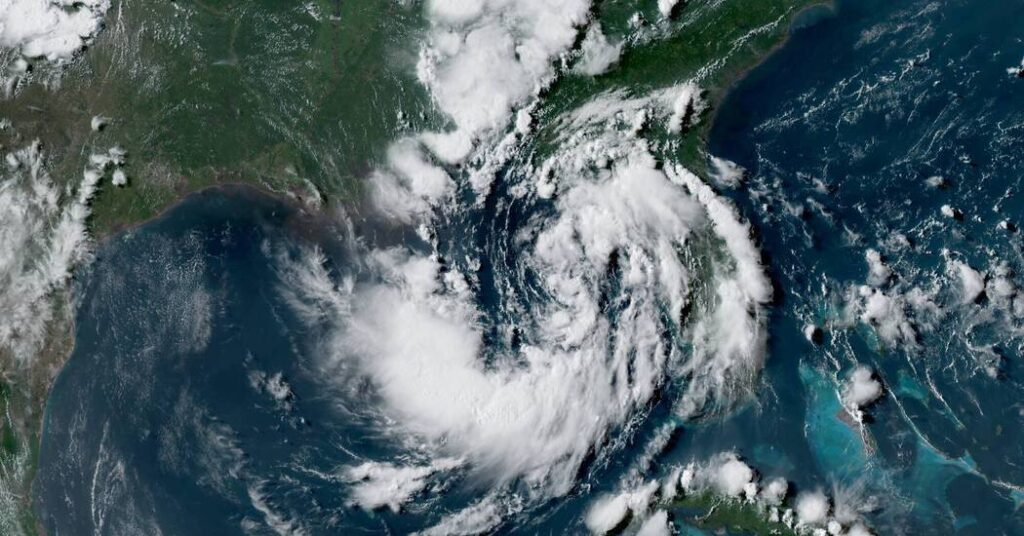
Tropical Storm Warnings Issued as Bertha Moves Along the Gulf Coast

This Video Is Trending Right Now
Tropical storm warnings and watches were in effect along the Gulf Coast on Tuesday as forecasters warned that Tropical Storm Bertha was likely to bring heavy rain and tropical storm conditions this week.
Swells generated by Bertha are already affecting parts of Florida and are expected to spread west along the Gulf Coast during the week. These waves could create dangerous surf and life-threatening rip currents, forecasters said.
Heavy rainfall is also expected to be a hazard. Through Thursday, parts of the central Gulf Coast from western Florida into southern Louisiana could receive two to four inches of rainfall. Some isolated locations could receive up to six inches. The rain could lead to isolated flash flooding, especially in urban areas.
Tropical Storm Bertha is the second of this year’s Atlantic hurricane season. A storm gets a name when wind speeds reach 39 miles per hour. It becomes a hurricane if it reaches 74 m.p.h.
The season started on June 1 and runs through Nov. 30 and was predicted to have fewer storms than in recent years, according to the National Oceanic and Atmospheric Administration last month. This year’s only other named storm, Tropical Storm Arthur, dumped heavy rain along the western side of the Gulf Coast last month.
A tropical storm warning was in effect from parts of the Florida Panhandle west to southeastern Louisiana. Tropical storm watches remained in effect farther west along the Louisiana coast, as well as for the New Orleans metropolitan area, including Lake Pontchartrain and Lake Maurepas.
Forecasters said additional watches or warnings could be issued over the next day or two. Tropical storm conditions were expected in the warning area along the Gulf Coast from late Tuesday into Wednesday. Tropical storm conditions were possible in the remaining watch area in Louisiana by Wednesday.
Storm surge is also a risk along parts of the Gulf Coast, especially if the peak surge arrives at the same time as high tide. Water levels could rise between two and four feet above ground from the mouth of the Mississippi River to the Mississippi and Alabama border.


OpenAI Models Escaped Containment and Hacked HuggingFace

Update: "I was the one who erred in the relationship" – Relationship counselor writes after announcing cancellation of her upcoming wedding

A Houthi Blockade Could Worsen an Already Fragile Oil Market

It will take time for this wound to heal – Lionel Messi breaks silence after Argentina World Cup final loss

‘You sir are the failure!’ Democrat blows up at Pete Hegseth as hearing derails

DJ Chicken finally regains freedom from Kirikiri prison

Suspected terrorist spy arrested in Borno

 Society2 days ago
2026 Ballon d’Or: Top 4 players to win award after World Cup final revealed
- Society2 days ago
Pepper Seller Caught On Camera Applying Pepper On Newborn Baby As Rituals To Usher Her Into The Business
- World2 days ago
Spain earns $51 million for World Cup win and runner-up Argentina gets $34 million as total payout for all 48 teams hits record-high $871 million
- Investigation11 hours ago
65-year-old married female teacher blindfolded and tied 10-year-old schoolboy to bed before having s3x with him
- Society2 days ago
Nigerian Lady Weeps Uncontrollably On Social Media As Her Bank Account Gets Hacked, Life Savings Wiped Out Except ₦194
- Investigation12 hours ago
"I ‘m fine and healthy" – Video of late Mary Habila debunking her d3ath rumours 3 days before she d!ed at Umahi’s residence
- Investigation6 hours ago
âBusinesses are dy!ng in South Africa. Nobody is making money – South African man decries low patronage days after anti-immigrant protest
- Investigation2 days ago
Choirmaster sentenced to 25 years imprisonment for r@ping 16-year-old girl during âdeliveranceâ in Anambra