News
Why the 2026 World Cup Is Living Up to the Hype

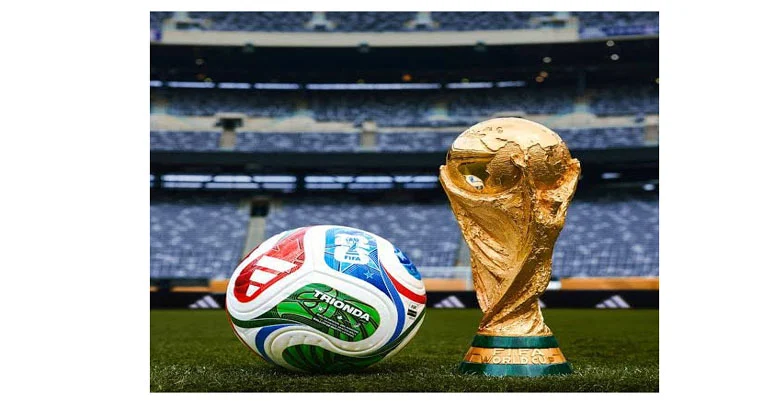
Some tournaments take a few rounds to find their rhythm. This one hasn’t needed the time. From the opening whistle of the expanded 48-team format, the 2026 World Cup has delivered upsets, statement wins, and a knockout stage that refuses to settle into anything predictable. For anyone who’s followed the buildup, the tournament so far has more than justified the anticipation.
A Bigger Stage, A Bigger Field
Expanding the World Cup from 32 to 48 teams was a significant structural change, and its effects are showing up everywhere. More nations qualifying meant more variety in styles and story lines from the very first match day, and the longer group stage gave lesser-fancied sides room to find form rather than get eliminated on a single bad night. That extra cushion has cut both ways. Some traditional powers, including Germany and the Netherlands, were knocked out earlier than expected, unable to build the momentum the format was designed to protect. Others, like Morocco, Colombia, and Norway, have used those extra matches to peak at exactly the right time, grinding through tight games and arriving in the knockout rounds sharper than teams that cruised through easier draws.
The Host Nations Delivered an Atmosphere Unlike Any Other
Playing across the United States, Canada, and Mexico gave this World Cup a scale and energy that’s been hard to match. The United States, in particular, rode home support deep into the tournament before a clinical Belgium side ended their run in the round of 16. Even in defeat, the American matches produced some of the loudest, most electric atmospheres of the competition, and it’s clear the format benefited from spreading matches across three passionate footballing nations rather than concentrating everything in a single host country.
The Contenders Have Separated Themselves
As the group stage chaos has given way to the knockout rounds, a clearer picture has emerged of who’s actually built for a deep run. France have looked the most complete side in the tournament, playing high-pressing, attacking football and reaching the quarterfinals without conceding a goal in either knockout match. Their squad depth, headlined by Mbappé and supported by a midfield that includes Tchouaméni and Camavinga, gives them the kind of margin for error that tends to matter most in the tournament’s final stages.
Argentina, the defending champions, have taken a different path to the same stage. Rather than dominating matches statistically, they’ve leaned on experience and knockout know-how, grinding out back-to-back 3-2 wins that weren’t always convincing but got the job done. Messi remains central to everything they do, still leading the tournament’s scoring charts deep into his career, while Emiliano Martínez continues to be one of the most reliable goalkeepers in the competition.
Spain and England round out the group of teams with genuine title credentials. Spain recovered from an underwhelming opening draw to eliminate Portugal and reassert themselves as a top-tier contender, built around possession control and efficient chance conversion. England, meanwhile, produced one of the tournament’s best moments so far, coming from behind to beat Mexico 3-2 in a hostile Estadio Azteca atmosphere and vaulting themselves into serious contention.
The Dark Horses Keeping Everyone Honest
What’s made this tournament especially compelling is how many teams outside the traditional elite remain capable of a deep run. Norway, powered by Erling Haaland’s finishing, has turned tight matches into wins and stayed near the top of the tournament’s scoring charts throughout. Morocco has leaned on the same defensive discipline that carried them to the 2022 semifinals, frustrating bigger names and proving nearly impossible to break down on their best days. Belgium and Switzerland remain alive as well, capable of springing an upset even if neither carries the squad depth of the tournament’s true favorites.
Why the Unpredictability Is the Story
In most recent World Cups, it’s been possible to identify a handful of teams a clear tier above everyone else by this stage. This year, that gap has narrowed considerably. The distance between the “favorites” and the “dangerous outsiders” has shrunk to the point where nearly every remaining match carries real upset potential — which is exactly what’s made this tournament so compelling to watch, whether you’re following the odds board or just the storylines.
Catching the Rest of the Tournament Live
With the field narrowing and the remaining matches only getting bigger, now is the time to think about being there in person for the finish. Whether you’re still weighing your options or ready to commit, browsing available world cup tickets is a good place to start as the knockout rounds heat up.
For fans specifically hoping to catch the last four teams battle it out, world cup semi final tickets are worth securing sooner rather than later, given how quickly demand tends to spike once the final four is set.
And for anyone with their sights set on the ultimate match, interest in world cup final tickets is only going to grow as France, Argentina, Spain, and England continue to separate themselves from the rest of the field. In a tournament this unpredictable, there may not be a better seat in sports this year than the one inside the stadium when a new champion is finally crowned.






Plateau: Fulani herders accuse DSS of intimidation, rights infringement

Peter Obi: What should concern all Nigerians on Keyamo’s CCTV claim – OK Movement

How Boko Haram uses AI to build bombs —Report reveals

How Boko Haram Secretly Uses AI to Build Bombs, Improve Deadly Attacks — Report

Deadly Russian attacks hit Ukraine as Kyiv targets tankers in Sea of Azov

Iran’s Supreme Leader vows revenge for slain father, says retribution ‘must certainly’ come

Dermot Murnaghan remembered as ‘legendary news journalist and presenter’

 Breaking2 days ago
Mum gives birth in her sleep and nurses don’t find her baby until minutes later under pile of blankets
- Society3 days ago
Madness!! Ghanaian Tiktoker Goes Live On Tiktok To Bath To Gain More Followers And Accumulate Gifts
- Investigation2 days ago
Disturbing comments made by men after man was caught r@ping his wife’s teenage niece in Imo
- World2 days ago
Horror as woman, 43, abducted from bus stop and gang raped in secluded building
- Investigation3 days ago
Wearing my main chick crown forever – Actress Uche Ogbodo writes hours after estranged husband, Bobbymarrisâ âcrown wifeâ jab
- Investigation3 days ago
Actress Nkechi Blessing Sunday clapsback at trolls âsingle shamingâ her
- News2 days ago
Northern Governors Launch ₦1bn Monthly Security Fund to Fight Insecurity
- Investigation2 days ago
âMan butchered his own mother with a machete then ran into ocean to escape cops