Breaking
AfDB commits $86m to agro-processing zones project

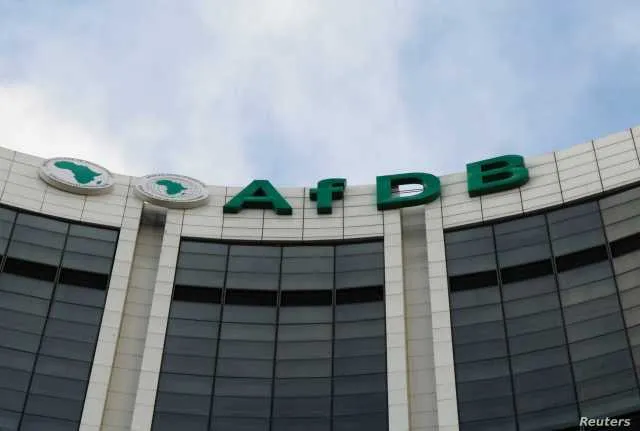
The African Development Bank, AfDB, says it has committed 86 million dollars to the implementation of the Special Agro-Industrial Processing Zones, SAPZ, Programme in Nigeria as of March 31.
The bank said the programme had recorded a commitment rate of 41 per cent and a disbursement rate of 12 per cent, amounting to 25 million dollars.
Dr Orison Amu, Implementation Support Manager, Nigeria Country Department, AfDB, disclosed this on Wednesday in Abuja at the Mid-Term Review Meeting of the SAPZ Programme.
Represented by Mr Bernard Onzima, SAPZ Nigeria Task Manager, Mr Amu said the commitment rate was projected to rise to 70 per cent, while disbursement was expected to reach 35 per cent by the end of 2026.
He said the SAPZ Programme was one of the bank’s flagship initiatives aimed at transforming agriculture through agro-industrial development.
According to him, the programme clusters agro-processing activities around areas of high agricultural potential to drive production, aggregation, processing and distribution within designated geographic zones supported by modern infrastructure.
“The bank approved the Nigeria SAPZ Programme Phase I in December 2021. However, it only became effective in March 2023, while conditions precedent to first disbursement were met in August 2023, about 20 months after approval,” he said.
Mr Amu said the zones were designed to de-risk investment in agricultural value chains and create synergies among farmers, processors and traders.
He said the programme was expected to enhance productivity, promote import substitution, increase employment, reduce post-harvest losses and boost value addition across Africa’s food systems.
He added that the initiative aligned with AfDB’s development priorities, particularly efforts to harness Africa’s demographic potential and build climate-resilient infrastructure for economic growth and structural transformation.
According to him, the programme also supports Nigeria’s Agenda 2050 by strengthening value-chain linkages, promoting local sourcing and value addition, and encouraging private-sector investment and technology adoption.
Also speaking, the Country Director of the International Fund for Agricultural Development, IFAD, Dede Ekoue, said the organisation had approved an additional 50 million dollars for SAPZ implementation, complementing an earlier 50 million dollars already signed.
Represented by Mr Isaac Mensah, Programme Officer, IFAD Country Office, Nigeria, West and Central Africa Division, Ekoue said IFAD remained committed to supporting investments capable of unlocking opportunities for smallholder farmers.
She said the organisation would continue collaborating with the Federal Government, AfDB, the Islamic Development Bank, IsDB, and the governments of Kano and Ogun states in implementing the programme.
Mr Ekoue noted that the initiative would also create opportunities for women, youths, agripreneurs and rural enterprises in participating states.
“We see SAPZ as an important platform to connect producers to markets, reduce post-harvest losses, stimulate private investment, create jobs and strengthen food systems in ways that are both commercially viable and socially inclusive,” she said.
She reaffirmed IFAD’s commitment to working closely with stakeholders to ensure effective implementation of the programme.
According to her, the mid-term review offers an opportunity to assess progress, address implementation challenges and agree on measures to accelerate programme delivery.
“Mid-term reviews are not only accountability milestones; they are also strategic moments to strengthen coordination, sharpen execution and reaffirm our shared commitment to transforming Nigeria’s agriculture through inclusive, competitive and resilient agro-industrial development,” she said.
Mr Ekoue said achievements recorded under the IFAD-financed SAPZ components in Kano and Ogun states included reaching more than 17,000 smallholder farmers with agricultural support services.
She added that more than 14,000 farmers were receiving climate information services to improve productivity and strengthen resilience, while over 9,000 farmers had benefited from productivity-enhancing agricultural inputs.
According to her, the programme has also linked farmers with agro-industrial markets through the Multi-Stakeholder Agribusiness Forum (MAF).
She urged stakeholders to maintain focus on institutional readiness, quality implementation, fiduciary discipline, environmental and social safeguards, as well as measurable results for beneficiaries.
“These elements will be essential to ensuring that the programme delivers on its promise and builds a strong foundation for sustainability and scale,” she said.
NAN


Trump claims flat swimming pool is 'taller than skyscrapers' – 'Needs a cognitive test'

â2027 election is settledâ- Oyo residents express support for APC candidate who gave them 1kg sachets of semovita

2027: Donald Duke blames bad leadership for insecurity

Ugochinyere Blocked from Minority Leader Role as House Bars First-Term Lawmakers

Nigeria targets 2.5mbpd oil output – Lokpobiri

EFCC, INEC Forge Alliance to Curb Vote Buying Ahead of 2027 Elections

British couple killed, thrown to Crocodiles; ISIS-linked trio convicted after spending £37,000 on their cards

 National2 days ago
Exclusive: Inside Union Bank’s Boardroom Storm And Crumbling Bank, MD Yetunde Oni Acquires N1.9 Billion US Home Barely One year in Office
- World2 days ago
Russia burning as Ukraine launches massive attack with 'more than 50 explosions'
- World2 days ago
Horror as woman gang raped in field after being knocked unconscious
- Breaking3 days ago
I was forced to sleep with 20 men daily – 18-year-old Benue girl recounts escape from s3x traffickers in Mali
- Breaking2 days ago
"Before HIV vs living with HIV" – Man writes as he shares his photos before and after HIV diagnosis
- World2 days ago
Pope Leo denounces what he calls "scourge" of sexual abuse by Catholic clergy
- Breaking3 days ago
Netizen claims newly wedded woman declared missing in Abuja left her matrimonial home after discovering her husband has two children with different women
- Breaking2 days ago
35-year-old woman who has been divorced twice responds to those telling her not to remarry