News
Lassa fever: Medical academy demands action as deaths hit 204

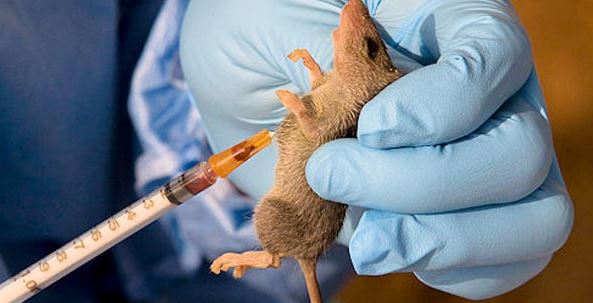
The Academy of Medical Sciences Nigeria has called for urgent, coordinated national action following a surge in Lassa fever cases and deaths across the country.
In a statement on Monday, signed by its President, Prof. Obinna Onwujekwe, and Chairman of its Rapid Response Committee, Emeritus Prof. Osato Giwa-Osagie, the Academy warned that the rising mortality and sustained transmission of the disease require immediate intervention.
Citing data from the Nigeria Centre for Disease Control and Prevention, the Academy said, “Nigeria has recorded 5,034 suspected cases, 793 laboratory-confirmed infections, and 204 deaths as of Epidemiological Week 19 (May 4–10, 2026).”
It added, “The case fatality rate has risen to 25.7 per cent, significantly higher than the 19.4 per cent recorded during the same period in 2025. This troubling trend underscores the urgent need for strengthened prevention and control measures.”
The Academy described Lassa fever as “one of Nigeria’s most significant viral haemorrhagic diseases,” noting that it “continues to impose a considerable burden through illness, deaths, economic losses, and pressure on already strained health systems.”
According to the statement, confirmed cases have been reported in 23 states and 108 Local Government Areas, with Bauchi, Ondo, Taraba, Edo and Benue accounting for over 80 per cent of infections.
“The persistence of transmission across multiple states despite ongoing control efforts is deeply concerning.
“The current epidemiological situation demands renewed commitment and coordinated action from all stakeholders,” the Academy said.
Highlighting key drivers of the outbreak, the Academy stated, “Late presentation of patients, poor awareness and health-seeking behaviour, and inadequate infection prevention practices in healthcare settings are contributing significantly to the rising fatalities.”
It further noted, “Environmental conditions that facilitate rodent infestation, alongside increased transmission risks during the dry season, are sustaining the spread of the disease.”
The Academy also raised concerns over infections among healthcare workers. “Continued infections among frontline health personnel point to gaps in infection prevention and control measures, which must be urgently addressed,” it said.
Calling on the Federal Ministry of Health and state governments to act swiftly, the Academy urged, “Government must strengthen disease surveillance systems, ensure early detection, and deploy rapid response teams to any cluster of suspected cases.”
It added, “There is an urgent need to expand access to designated Lassa fever treatment centres and increase laboratory diagnostic capacity nationwide.”
On healthcare safety, the statement stressed, “Adequate supplies of Personal Protective Equipment must be ensured for all healthcare workers, alongside strict adherence to infection prevention and control protocols in both public and private facilities.”
The Academy also recommended that “at least one referral treatment centre with barrier nursing and laboratory capacity be designated in each high-risk state.”
Addressing the public, the Academy advised, “Nigerians must adopt preventive measures such as proper food storage, environmental sanitation, and avoiding contact with rodents, which are the primary carriers of the virus.”
It emphasised, “Early healthcare-seeking behaviour is critical. Individuals with persistent fever or symptoms suggestive of Lassa fever should seek immediate medical attention and avoid self-medication.”
On public awareness, the Academy said, “Risk communication efforts must be intensified to address myths, misinformation, and poor health practices that hinder effective disease control.”
It further called for greater investment in research, stating, “Nigeria must strengthen local capacity for infectious disease research and invest in the development of diagnostics, therapeutics, and vaccines.”
Reaffirming its support, the Academy noted, “We stand ready to collaborate with government, healthcare institutions, and development partners through scientific guidance, advocacy, and public education.”
The statement concluded, “Early detection, prompt treatment, effective infection control, environmental sanitation, and sustained government commitment remain the most effective tools for reducing the burden of Lassa fever in Nigeria.”






Kogi government suspends Echane festival over security concern

The Uplift: Surfing lessons

Scarcelli earthquake LIVE: Italy rocked by 6.2 magnitude quake with hundreds feeling impac

Police arrest two over false bandit attack claim in Oyo community

US politician trolled for his 'HinJew' family photo: 'Your kids are 0% Jewish'

Governor Bala Mohammed denies reports linking him to Jonathanâs 2027 presidential bid

40-year-old Mexican Goalkeeper Ochoa set for historic sixth world cup

 Breaking2 days ago
Nigeria confronted with outcomes of institutional neglect — Tunde Bakare
- News2 days ago
Seyi Makinde clinches APM presidential ticket
- World2 days ago
5/30: Saturday Morning
- World2 days ago
Raheem Sterling arrested for suspected drug driving amid ‘strain from career’
- Politics2 days ago
Osun NNPP concedes 50% of legislative tickets to female candidates
- News2 days ago
Saraki urges young women to prioritise education, skills for economic independence
- World2 days ago
Trump lashes out after removal of his name from Kennedy Center- 'System is rigged'
- News2 days ago
Liverpool confirm exit of head coach Arne Slot