Society
Nigerian youths urged to embrace activism, civic engagement at OAU conference

Young Nigerians have been urged to reject silence, embrace activism, and actively participate in advocacy and civic engagement as a pathway to social transformation and democratic accountability.
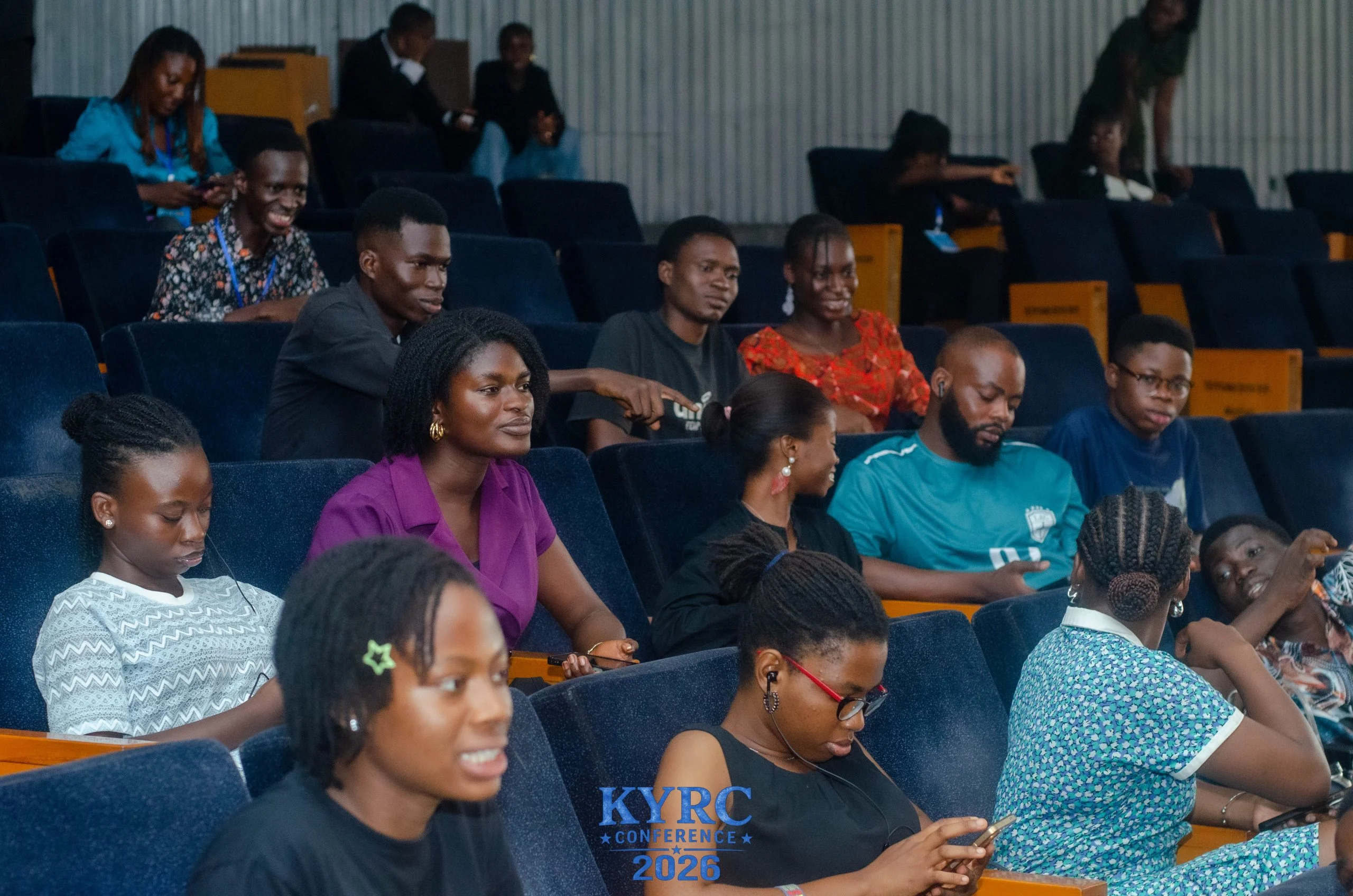
This formed the central message at the maiden edition of the Know Your Rights Conference, organised by the Clinic for Human Rights, Obafemi Awolowo University (CHROAU), held on Saturday at the Ajose Lecture Theatre, Obafemi Awolowo University, Ile-Ife.
The conference brought together students, legal practitioners, advocates, media professionals, and social justice actors to discuss the theme, “The Voice of Youths in Activism and Advocacy in the Contemporary World.”
Discussions at the conference focused on the role of young people in shaping public discourse, demanding accountability, defending rights, and navigating an increasingly complex world shaped by digital media, misinformation, and socio-economic pressures.
In his welcome remarks, CHROAU Lead Director, Adedoyin Oguntade, welcomed participants and emphasised the need to sustain conversations around rights, justice, and civic responsibility.
Delivering the opening address, Professor S. O. Oyelade of the Faculty of Law, Obafemi Awolowo University, stressed the importance of responsible civic engagement, urging young people to use their voices as instruments for positive societal change.
According to him, activism remains a powerful tool for confronting societal ills, while advocacy serves as a means of influencing institutions and government toward meaningful reforms.
“As youths, you have strength and energy. Use it to demand change and push for a better society,” he said.
Professor Oyelade also warned against the misuse of digital platforms, particularly cyberbullying.
“The power of social media can drive meaningful change when used responsibly. But when you use your power, especially online, do not use it to bully others. Cyberbullying is also a crime,” he said.
The keynote address, delivered by Afolabi Alawode on behalf of legal practitioner and rights advocate Festus Ogun, challenged young Nigerians to resist silence in the face of injustice and oppression.
Quoting civil rights icon Martin Luther King Jr., he said, “Our lives begin to end the day we become silent about things that matter.”
He observed that many young people have gradually become passive observers of national issues due to fear, economic hardship, social pressure, and the rise of performative activism on social media.
According to him, many of the freedoms enjoyed today exist because previous generations refused to remain silent in the face of oppression.
“Silence has never solved problems. Much of what we enjoy today came from sacrifices made by those who refused to stay silent in difficult times,” he said.
Drawing from history, he highlighted the role young people played during colonial and post-colonial struggles, including student-led movements that challenged injustice and shaped national progress.
He also referenced activism within Obafemi Awolowo University, citing advocacy efforts that contributed to infrastructural improvements such as the dualisation of the Ife-Ibadan Road and the construction of the pedestrian bridge near the university gate.
Describing today’s youths as a potentially “silent generation,” he identified fear, broken promises, economic hardship, and performative digital activism as major obstacles to meaningful civic participation.
“Activism now feels like a luxury to many because of daily survival struggles. Yet every generation must rise to defend justice,” he said.
He urged young people to become informed, actively participate in public discourse, and engage meaningfully in civic and governance-related conversations.
“You cannot give what you do not have. Advocacy begins with knowledge and understanding,” he said.
He further stressed that activism extends beyond protests and street demonstrations.
“Activism is not reserved for those carrying placards on the streets. It can happen through writing, teaching, organising, and speaking truth to power.”
The first panel session featured Joshua B. Oyebode, Lead Director of iCASE and State Volunteer Coordinator at Amnesty International, alongside Tribune Online Editor, Sikiru Obarayese. The session examined digital rights, media visibility, misinformation, and citizen participation in governance.
Speaking on digital rights, Oyebode stressed the need to prevent excessive government control of digital infrastructure, warning that such control could shape the future of citizens’ freedoms online.
Obarayese, speaking on media visibility and public advocacy, noted that some crises gain widespread attention while others disappear due to unequal media amplification.
“Technology is not neutral; it amplifies the intentions of those who use it. A crisis without a spokesperson is a crisis without vision,” he said.
He explained that agenda-setting, access to media platforms, and proximity to newsrooms often determine whether issues remain visible in public discourse.
Addressing misinformation in the age of artificial intelligence, the panelists emphasised the need for fact-checking, critical thinking, and responsible media consumption.
“Verify facts and ask who benefits from a particular narrative,” Obarayese advised.
Oyebode also called for stronger civic engagement, stressing that meaningful societal change begins when citizens hold leaders accountable at community and institutional levels.
“Social amenities remain inaccessible to millions. Citizens must actively engage and ensure government remains accountable. Real change begins from local communities upward,” he said.
He also noted that while social media has improved awareness around activism, visibility alone does not translate into measurable impact. “Visibility does not equate effectiveness,” he said.
As conversations around governance, justice, and youth participation continue to shape national discourse, the conference reinforced a clear message: the future of activism and advocacy in Nigeria will depend largely on whether young people choose silence or action.


Where the U.S.-Iran peace deal stands after both countries trade strikes

Miss Universe Nigeria Chidimma Adetshina faces deportation from South Africa

Thousands of Venezuelans still missing after earthquakes as search for survivors continues

Ekiti bans ‘sign-out’ activities by secondary school students

Two boys found de@d at British air base after ‘being left to sleep’ in hot car

The Trump administration says SNAP is rife with fraud and waste. Is it?

Nigerian businessman shot d3ad outside his shop in South Africa

 Breaking2 days ago
UNBELIEVEABLE: Video of A Fat Wife Beating And Flogging Her Slim Husband Sparks Debate Online Among Couples and Youths
- Investigation1 day ago
âThe Islamic Republic of Iran will no longer exist!â Trump threatens amid fragile ceasefire
- Investigation1 day ago
Emerging facts points to his innocence – Harrison Gwamnishu shares update on man brutally beaten after being accused of N2m theft in Enugu
 Breaking10 hours ago
Forget about body count. Sometimes itâs better to marry a lady who has gone into the world and experienced life than to marry one who hasnât- Nigerian doctor’s advice to men sparks debate online
- Investigation3 days ago
"The moment I started posting my fiancé online, women flooded his DMs" â Married woman shares screenshots, calls out women who messaged her husband while they were engaged
- Investigation1 day ago
ISWAP fighterâs wife surrenders to troops with her two-month-old baby in Borno
- Investigation1 day ago
Iran vows to unleash âhellâ on US bases after fresh attacks as Trump warns regime will âno longer existâ if war restarts
- Investigation1 day ago
Former MLB star Gorkys Hernandez’s wife d!es in Venezuela earthquake