News
Contract fraud most prevalent corruption in public sector – EFCC boss

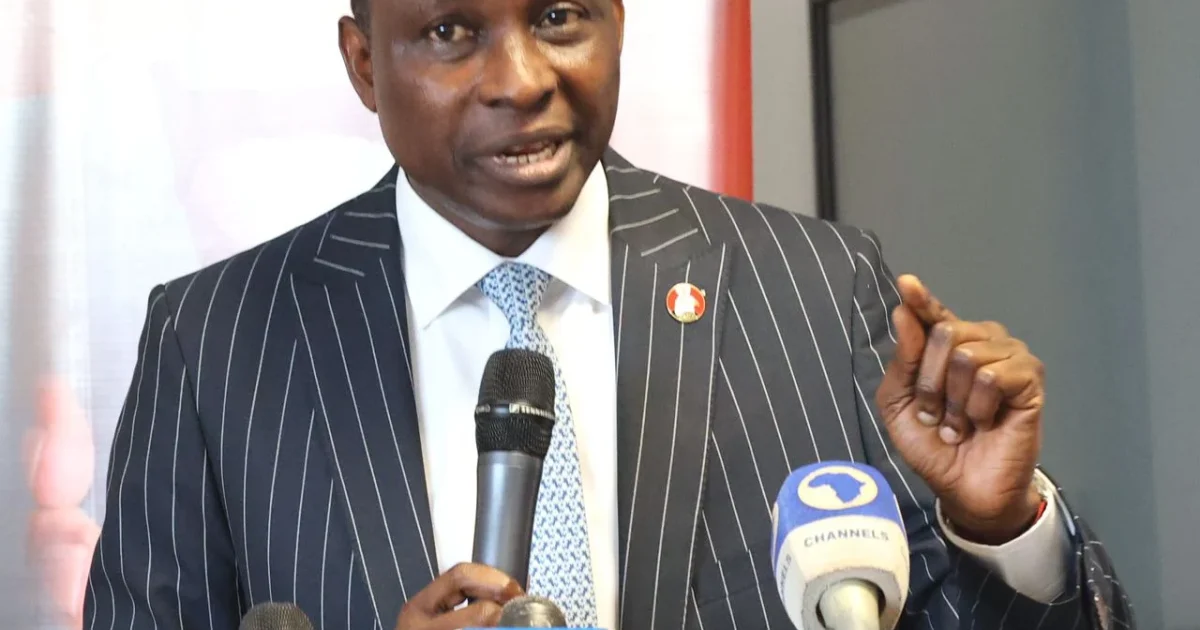
The Executive Chairman of the Economic and Financial Crimes Commission, Mr. Ola Olukoyede, has identified contract fraud as the most prevalent form of corruption in Nigeria’s public sector, warning public officials against exploiting their positions for personal gain.
In a post obtained from the commission’s X handle, Olukoyede gave the warning on Thursday, during a two-day induction programme organised by the Bureau of Public Service Reforms for the Chief Executive Officers, Chairmen and members of the Governing Board of the South-South Development Commission in Abuja.
Speaking on the topic, “The Role of Economic and Financial Crimes Commission, EFCC, in Improving Accountability in the Public Service,” the EFCC chairman stressed that public office is a responsibility to safeguard national resources and not an avenue for self-enrichment.
According to him, contract fraud remains the most common form of corruption within government institutions, often involving manipulation of procurement processes to favour individuals or preferred companies.
“From my experience in regulatory compliance, by far the most common form of corruption within the public service space is contract fraud, where those who lead government establishments set out to enrich themselves by rigging the procurement process,” he said.
He said accountability requires that public funds be managed ethically, efficiently and in the interest of citizens, noting that corruption continues to undermine effective governance and development.
“Annual losses to corruption in Nigeria’s public service run into billions of naira as resources meant for the provision of physical infrastructure and social services are often converted to private use by public servants,” Olukoyede said.
He listed various forms of corruption in the public sector to include outright theft of public funds, diversion of resources, bribery and kickbacks, misappropriation, procurement fraud, payroll and pension fraud, and duty tour allowance fraud.
Olukoyede explained that contract fraud could occur through contract splitting to avoid approval limits, bid manipulation, awarding contracts to unqualified companies, and making payments for poorly executed or abandoned projects.
He reminded members of the SSDC governing board that the EFCC was established in 2003 to combat economic and financial crimes through investigation, prosecution, asset recovery and public enlightenment.
The EFCC chairman, however, acknowledged challenges facing the fight against corruption, including limited resources and manpower, inadequate public support, delays in prosecuting high-profile cases, and allegations of selective investigations.
Addressing the newly appointed officials, Olukoyede cautioned them against viewing their appointments as an opportunity to benefit personally from public resources.
“I imagine that you all have been receiving tons of congratulatory messages on your appointment, and those close to you would have reminded you that this is an opportunity to grab a slice of the proverbial national cake. Please, tread with caution. Public service is not an invitation to loot the treasury,” he warned.
He urged the officials to familiarise themselves with the Financial Regulations, Public Service Rules and the Procurement Act, stressing the need for strict compliance with all relevant laws.
Olukoyede also warned against seeking contracts from institutions they serve, operating foreign bank accounts, engaging in businesses incompatible with public office, or conducting financial transactions outside recognised financial institutions.
“As a member of the SSDC, familiarise yourself with the Procurement Act and be guided. You should not be jostling for contracts from the SSDC either directly or through fronts,” he said.
He further advised public officers to maintain proper records of financial transactions and exercise caution before signing official documents.
“Before you sign that document, study it. Your signature is your name and integrity. Guard it,” the EFCC chairman added.







Five police officers dismissed, one demoted over alleged kidnap and extortion ring in Edo

‘RHOC’ Alum Jeana Keough Reveals Uphill ‘Cure Rate’ As She Battles ‘Coin Flip’ Cancer

Trump says Hamas, other armed groups in Gaza agree to disarm under US peace plan

US State Department admits error after incorrectly labelling Nigeria and other African countries at global AIDS conference

Trump added two demands to his Saudi deal. The kingdom might walk.

Economic growth falls short of experts’ expectations, but inflation improves

âAJ and I have integrity, we would never engage in this stupidityâ âAlbanian boxer Prenga denies allegations that his fight with Anthony Joshua was fixed

 Investigation3 days ago
âHeâs my friend, Legendâ â Benzema speaks on Franceâs next Manager Zinedine Zidane
- Investigation2 days ago
âNothing we can doâ- INEC rules out extension of voter registration
- News3 days ago
Power, politics and rivalry: The forces tearing Ondo APC apart
- World3 days ago
Dem calls to investigate FIFA president Gianni Infantino
- World3 days ago
Cracker Barrel Chief Executive Who Oversaw Logo Change Steps Down
- Society3 days ago
Transfer: Chelsea set to sign Jordan Henderson
- Society3 days ago
Transfer: John Stones’ next club confirmed
- Society3 days ago
Zlatan announces wedding with partner Davita Lamai