News
FG expands cancer patient support funds to check treatment costs

The Federal Government has expanded financial support for cancer patients through targeted health funds and insurance initiatives, while ramping up investments in local research, drug production, and clinical trials to improve access to affordable cancer care.
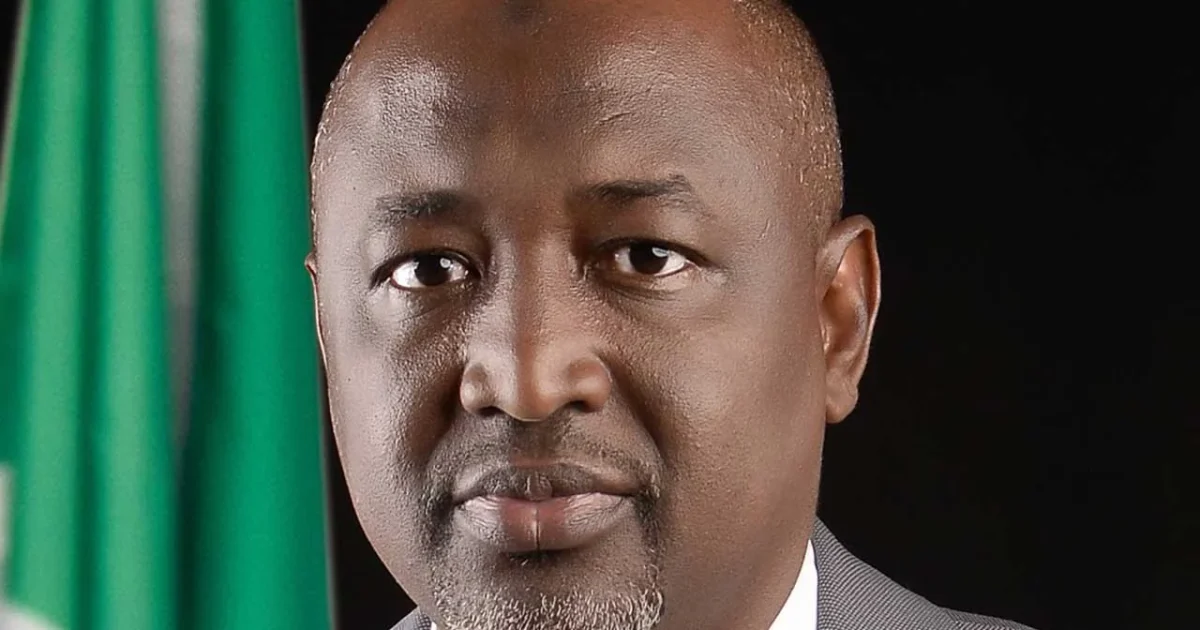
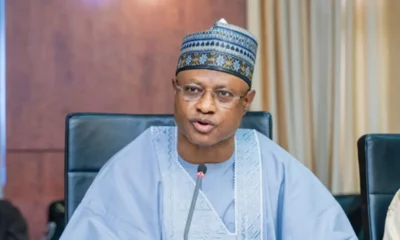
The Director-General of the National Institute for Cancer Research and Treatment, Prof. Usman Malami, disclosed this at the Best of American Society of Clinical Oncology Africa 2026 conference held in Abuja, according to presentation slides obtained on Monday.
The conference, organised in collaboration with the African Organisation for Research and Training in Cancer, was themed: “From Global Discovery to Local Delivery: Driving Africa to the Cutting Edge of Cancer Care.”
Malami said the Federal Government had introduced several interventions to reduce the financial burden of cancer treatment, acknowledging that the cost of care remained beyond the reach of many Nigerians.
He explained that the Catastrophic Health Fund, domiciled under the National Health Insurance Authority, subsidises cancer prevention, diagnosis, chemotherapy and radiotherapy for eligible patients.
He added that NICRAT also manages the National Cancer Health Fund, which provides financial assistance to indigent cancer patients.
“These are initiatives by the government to support the people of Nigeria suffering from this dreadful disease,” Malami said.
He also said the Presidential Initiative for Unlocking the Healthcare Value Chain would accelerate local production of cancer medicines, reducing dependence on imported drugs while improving access to affordable treatment.
According to him, experts attending the conference would examine landmark studies presented at the recent ASCO Annual Meeting and identify those that could be adapted to African health systems.
“What we are trying to do is domesticate expensive treatments by producing much-needed medicines locally and translating global research into actions in our clinics,” he said.
Also speaking, the Special Adviser on Research and Innovation to the Minister of State for Health, Dr. Lolade Adewale, said the government was strengthening financial protection for cancer patients through expanded insurance coverage.
She said both the Cancer Health Fund and the Social Determinants of Health Fund would improve access to treatment for eligible Nigerians.
“Within the next year, you will hear more about it,” Adewale said, referring to ongoing reforms aimed at expanding cancer insurance coverage.
She disclosed that Nigeria had commenced three immunotherapy clinical studies for the first time, giving patients access to advanced cancer medicines that were previously unavailable in the country.
According to her, drugs such as Nivolumab and Keytruda are now being provided free of charge to eligible participants through clinical trials, reducing the need for Nigerians to seek treatment abroad.
The Immediate Past President of AORTIC, Dr. Miriam Mutebi, said Africa contributes only about eight per cent of global cancer research despite carrying a significant share of the global disease burden.
She noted that research remained particularly limited in cancers such as cervical and prostate cancer and urged African governments to fulfil their commitment to allocate one per cent of Gross Domestic Product to research and development.
“Stronger domestic investment will generate the evidence needed to improve diagnosis, treatment completion, patient experience and health systems,” Mutebi said.
The Chief Medical Officer of ASCO, Dr. Julie Gralow, said many breakthrough cancer therapies had not been adequately tested among African populations, making locally generated evidence essential.
She said the conference would help determine how global scientific advances could be adapted to African settings while addressing affordability and access challenges.
Gralow added that the ASCO-AORTIC partnership was focused on workforce development, clinical research and training the next generation of African cancer researchers.
She announced that the second round of the Sub-Saharan Africa Clinical Research Scholars Programme would open in October.
The AORTIC Vice-President for North America, Dr. Abiola Ibraheem, called for greater continental collaboration to improve access to innovative cancer therapies.
“The therapies and technologies available in the United States are very different from what is accessible in Nigeria. This initiative is about closing that gap.
“There is power in numbers. The goal is for African countries to access these therapies together as one continent rather than individually,” she said.
Ibraheem noted that participation in the Best of ASCO Africa conference had grown significantly since its inaugural edition in Ethiopia, attracting more countries, sponsors and partners committed to advancing cancer care across the continent.
The calls come as Africa faces a rapidly growing cancer burden. According to the World Health Organization’s International Agency for Research on Cancer, the continent records more than one million new cancer cases and over 700,000 cancer-related deaths each year, with the figures projected to rise sharply due to population growth, ageing and increasing exposure to cancer risk factors.
Nigeria bears one of the highest cancer burdens in sub-Saharan Africa, recording an estimated 127,000 new cancer cases and nearly 80,000 deaths annually. Breast, cervical, prostate, liver and colorectal cancers remain the country’s most common cancers, while late diagnosis, limited screening programmes, inadequate radiotherapy facilities, shortages of oncology specialists and the high cost of treatment continue to undermine survival rates.





Appeal court judgment does not affect ADC primaries, party insists

Uba Sani appoints professionals to enhance service delivery

Twelve people arrested after âextreme right-wing terror threatâ against Islamic event in UK

Oriire rescue: Alaafin visits victims, donates cash

VIDEO: Military Hands Over Rescued Oriire Pupils, Teachers to Oyo Government

NNL: Crown FC announce screening to discover new players

Shettima: Brazil opens market for Nigerian hibiscus, sesame, shea butter

 National2 days ago
At Last, Fresh Video Showing How Some Of The Terrorists Was Arrested During Rescue Of Oyo Schoolchildren Emerged [WATCH HERE]
- News1 day ago
Army officer killed during rescue of kidnapped Oyo pupils, teachers buried
- World3 days ago
Runner gored in the face at Spain’s San Fermin bull run festival
- Investigation3 days ago
â"I want my wife submissive but I don’t want a daughter like that" Man reveals what he expects of his wife and how he’s raising his daughter to be the opposite of that
- Breaking3 days ago
â"Your marriages are not working because you’re l£sbians" Actress Shan George slams married women who are divorcing and blaming their husbands
- Investigation3 days ago
âI bought houses for my family members so that they can never be homelessâ – Jay-Jay Okocha
- News3 days ago
Police SFU nab suspect over alleged ₦3bn cyber fraud
- Investigation3 days ago
It was devastating – Brazil legend Ronaldo reveals he suffered âsevere depression’ and ‘gained a lot of weight’ after retiring