Society
ICPC chairman urges collective action to scale up anti-corruption efforts in Africa

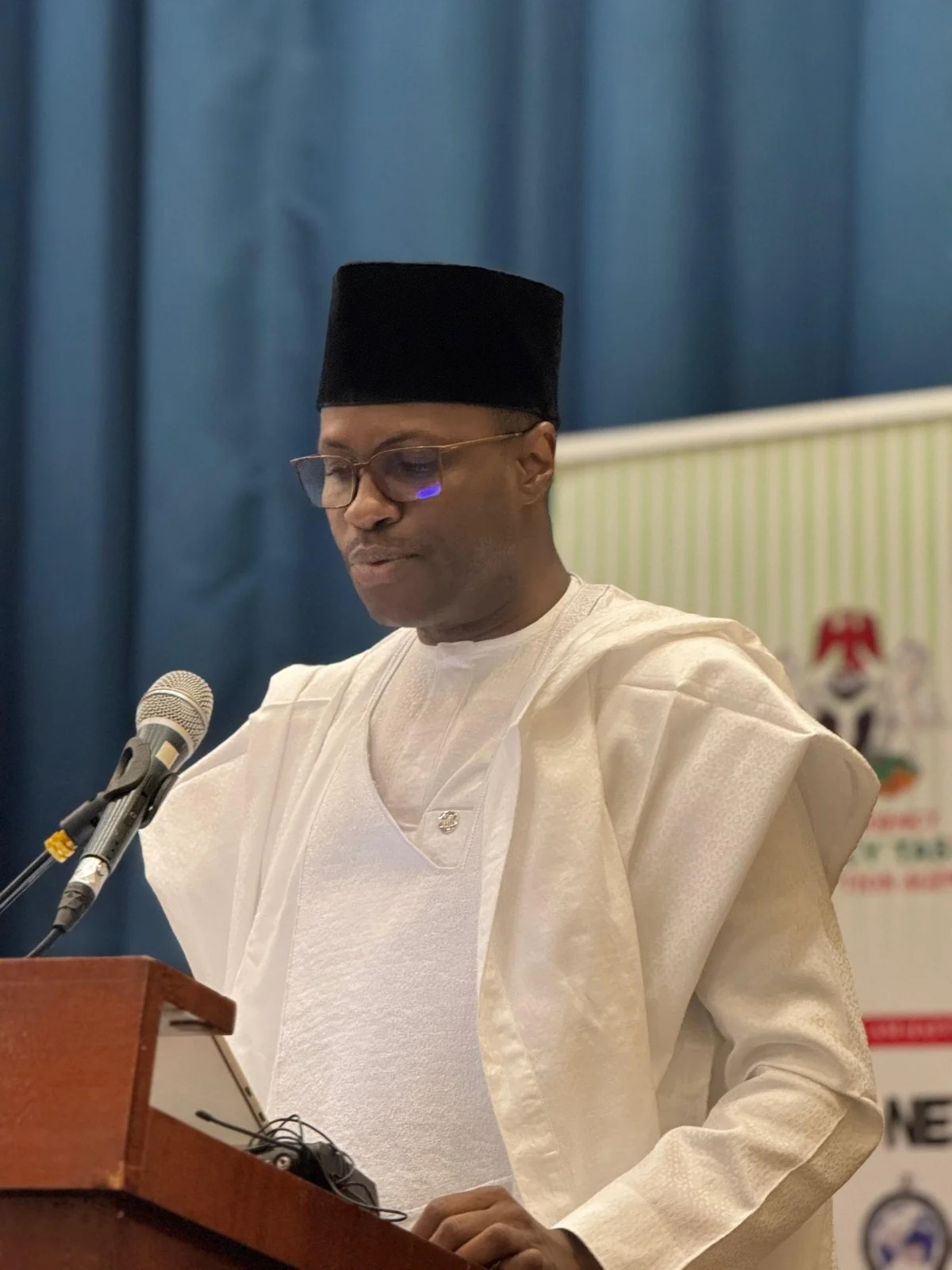
The Chairman of the Independent Corrupt Practices and Other Related Offences Commission (ICPC), Dr. Musa Adamu Aliyu, SAN, has called for stronger collaboration among governments, anti-corruption agencies, civil society, the private sector, the media and citizens for the promotion of integrity and the strengthening of anti-corruption efforts across Africa.
Musa Aliyu made the call in a goodwill message delivered at the commemoration of the African Union Anti-Corruption Day, held at the Shehu Musa Yar’Adua Centre, Abuja, with the theme, “Scaling Up the Promotion of Integrity and Anti-Corruption Actions Across Africa.”
The ICPC chairman said the theme reflects Africa’s collective aspiration to build a continent where integrity, transparency, accountability and the rule of law remain the foundation for sustainable development, democratic governance and economic growth.
He noted that recent findings from the 2025 Commonwealth Africa Anti-Corruption Centre (CAACC) study underscored the urgency of strengthening integrity systems, revealing that 80 per cent of respondents across fourteen African countries believe corruption occurs always or often, while lack of integrity was identified as one of the leading drivers of corruption.
“These findings remind us that promoting integrity is not merely aspirational; it is an evidence-based imperative,” Musa Aliyu stated.
Musa Aliyu stressed that the Commission continues to discharge its mandate through prevention, enforcement and public education, while collaborating with ministries, departments and agencies (MDAs) and other stakeholders to strengthen institutional integrity and eliminate opportunities for corruption.
He further highlighted the Commission’s commitment to nurturing integrity among young people through initiatives such as the National Youth Service Corps (NYSC) Anti-Corruption Lectures, Integrity Clubs in secondary schools, and partnerships with the Nigerian Law School and universities to integrate anti-corruption education into legal training.
The ICPC chairman observed that these initiatives align with the CAACC study, which identified public education, awareness, and school anti-corruption clubs as the most effective preventive measures against corruption.
Delivering the keynote address, the Attorney-General of the Federation and Minister of Justice, Prince Lateef Fagbemi, SAN, represented by Director of the Solicitors Department in the Federal Ministry of Justice, Mrs. Gladys Odegbaro, described corruption as a major development challenge that deprives governments of resources needed for infrastructure, healthcare, education, food security and social protection, while weakening democratic institutions, fuelling insecurity and eroding citizens’ trust in government.
He stressed that “the antidote to corruption is integrity. Integrity is the foundation of good governance and the cornerstone of public confidence in governance.”
He added that the Federal Government, under the leadership of President Bola Ahmed Tinubu, GCFR, remains committed to strengthening public institutions, enhancing transparency and accountability, improving inter-agency collaboration, modernising the criminal justice system and deploying technology to reduce opportunities for corruption in public service delivery.
Earlier, in her welcome address, the Head of the Technical Unit on Governance and Anti-Corruption Reforms (TUGAR), Mrs. Jane Onwumere, said the commemoration marks the adoption of the African Union Convention on Preventing and Combating Corruption and provides an opportunity for stakeholders to reaffirm their collective commitment to strengthening integrity and improving the lives of Nigerians and Africans.
She noted that this year’s theme underscores that the responsibility for promoting integrity extends beyond governments and anti-corruption agencies to every sector of society through strong institutions and robust accountability mechanisms.
The event also featured goodwill messages from representatives of agencies including the Code of Conduct Bureau (CCB), the Public Complaints Commission (PCC), the Rule of Law and Anti-Corruption (RoLAC) Programme, and the Centre for Democracy and Development (CDD), among others.
Highlights of the commemoration included a panel discussion on the theme, “Scaling Up the Promotion of Integrity and Anti-Corruption Actions Across Africa,” as well as a paper presentation titled “The Whistleblower and Witness Protection Bill: Where Are We?”, delivered by the Executive Director of the African Parliamentarians Against Corruption (APNAC), Mr. Ashley Emenike.


NDLEA intercepts N10.3bn cannabis haul, arrests South African woman with 5.75kg heroin

“NDLEA Arrests South African Woman With 5.75kg Heroin” — Seizes ₦10.3bn Canadian Loud, Stops Meth, Skunk Trafficking In Lagos

Gov Zulum donates additional N200m to Orthopaedic Hospital

Notorious terrorist leader, ‘Kachalla Yellow’ killed in Zamfara
“ICPC To Arraign Ex-Minister Uche Nnaji Over Alleged Certificate Forgery” — Six-Count Charge Covers UNN, NYSC Certificates, ₦29.5m Salary, Money Laundering Claims

Quote of the day by Ralph Waldo Emerson: 'What you do speaks so loudly that I cannot hear what you say'

“We Have A Say In It” – Oyedepo Rallies Members to Obtain Voter Cards Ahead of 2027 Polls

 Breaking3 days ago
Mum gives birth in her sleep and nurses don’t find her baby until minutes later under pile of blankets
- News3 days ago
Northern Governors Launch ₦1bn Monthly Security Fund to Fight Insecurity
- Investigation3 days ago
âMan butchered his own mother with a machete then ran into ocean to escape cops
- Investigation3 days ago
â"Your marriages are not working because you’re l£sbians" Actress Shan George slams married women who are divorcing and blaming their husbands
- Politics3 days ago
NGX extends rally as investors gain ₦962bn
- Breaking2 days ago
Police release image of Zimbabwean man ‘on the run’ after his wife and two children are found de@d at home in UK
- Investigation3 days ago
Student pilot forced to land plane alone after instructor âjumped to his de@th mid-flightâ
- Investigation3 days ago
ââTwisted doctor, 29, admits secretly filming 900 hospital staff after hiding phone in toilets to spy on colleagues