World
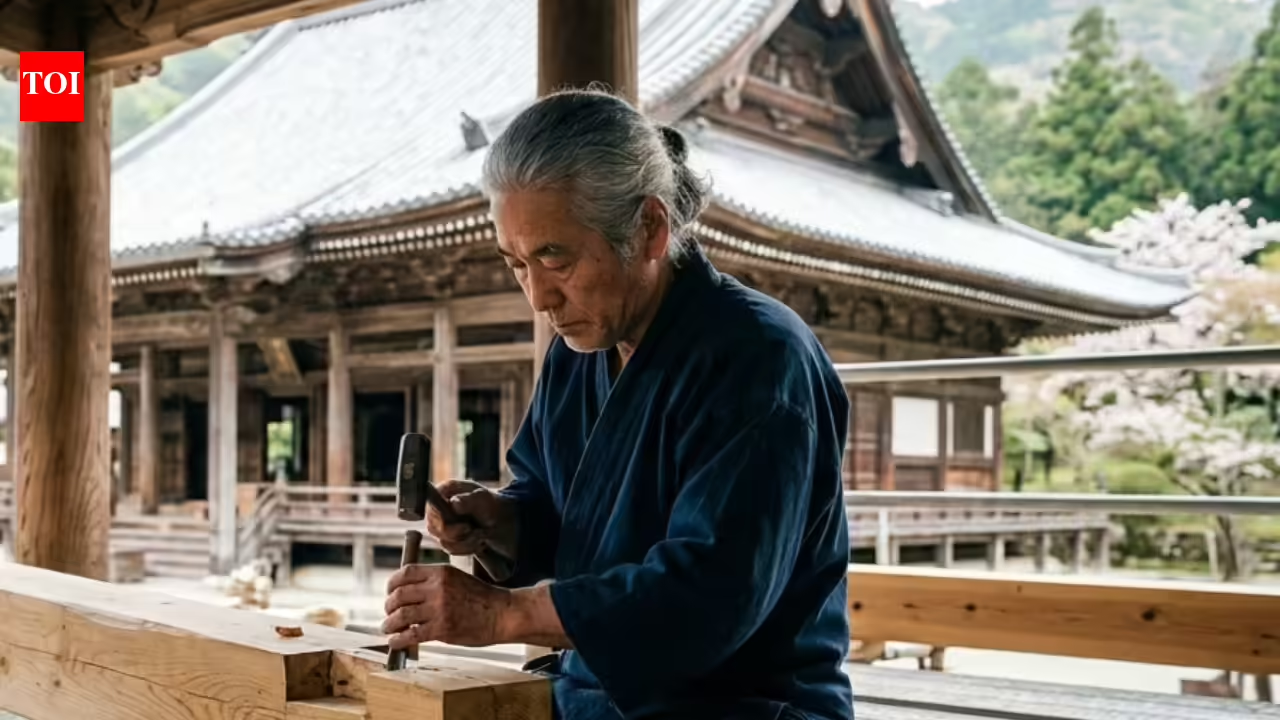
Japan does not use modern nails to repair centuries-old temples. Instead, master craftsmen rely on an ancient woodworking technique

This Video Is Trending Right Now
Centuries-old temples in Japan are still repaired without using modern nails, screws or metal brackets. In Japan, master carpenters instead continue to follow an ancient woodworking technique that has been passed down generations for more than 1,000 years.The method which is called kigumi involves carving wooden joints precisely so that they fit together like puzzle pieces. Beams, pillars and other parts of the structure are also shaped to lock into one another without the need for metal fasteners. This traditional technique is still used to restore some of Japan’s oldest temples and shrines. These structures have survived earthquakes, typhoons and changing weather for centuries.The craftsmen who carry out the work are known as miyadaiku or temple carpenters.
Why Japan avoids nails
The continued use of wooden joints is not just about preserving the tradition. The method also has practical advantages. Japan experiences humid summers, heavy rainfall, typhoons and frequent earthquakes. Metal nails rust over time as moisture enters the wood, weakening the joints and damaging the timber eventually. With wooden joints, however, the timber expands in humid weather and shrinks when the weahther is dry. This does not put too much pressure on the structure.It also helps the buildings withstand earthquakes as unlike rigid metal connections, traditional wooden joints move slightly during the seismic activity. The flexibility absorbs and spread vibrations across the structure, reducing the risk of serious damage during earthquakes. This is one reason many historic wooden temples have remained standing after repeated earthquakes.
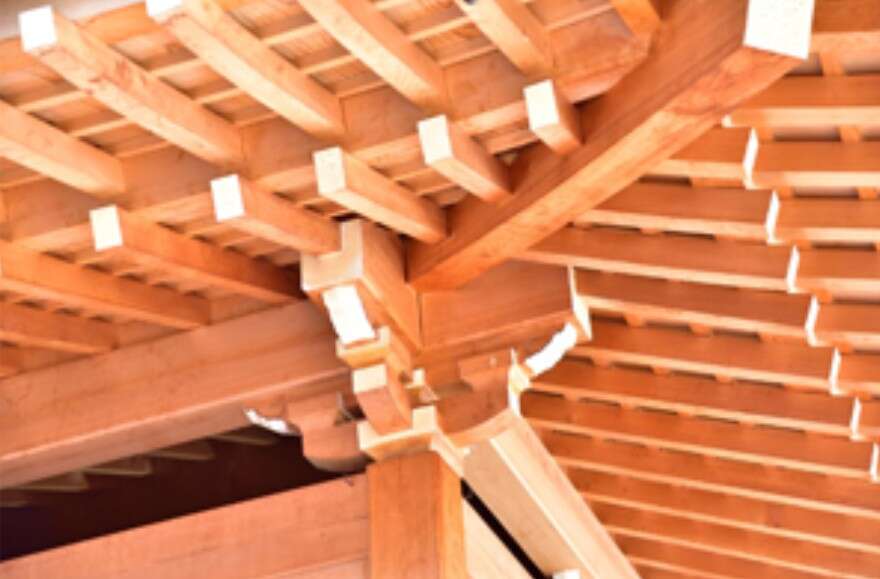
Kigumi, a method of joining wood without using nails or metal fittings
Carved by hand
Making these joints requires years of skill and precision. Instead of cutting identical wooden pieces, miyadaiku study each piece of timber carefully. They examine the wood grain, natural curves and strength before deciding where it should be used in the building.Different joints also serve different purposes. For example, Tsugite connect two pieces of timber to create longer beams or pillars. Meanwhile shiguchi joints lock beams and pillars together at different angles to form the framework of the building, Ministry of Foreign Affairs of Japan details.Every joint also has to fit perfectly because even a small gap can weaken the structure. Most of these joints remain hidden inside the building, even though they are critical to its strength.
1,400-year-old tradition
Japan has more than 150,000 temples and shrines, many of them built using traditional wooden construction methods. Some of the country’s oldest temple carpenters trace their origins to the construction of Shitenno-ji Temple, which was founded in 593 AD.Becoming a miyadaiku takes years of apprenticeship. Carpenters pass on their knowledge to younger craftsmen. They teach them woodworking skills as well as how to understand the natural qualities of different types of timber.

The Yusuhara Wooden Bridge Museum
The craft is also valued for its sustainable approach. As wooden structures can often be taken apart, repaired and put back together without damaging the timber, individual components can be replaced without rebuilding the entire thing. This helps extend the life of the buildings and also reduces the waste.


‘I don’t need to be presidential candidate to educate you’ – Umahi hits back at Peter Obi

Nigerian soldier who d!ed during rescue of abducted Oyo students and teacher laid to rest

Catholic bishop, Aare Musulumi of Yorubaland hail safe return of Oriire victims

BREAKING: Super Eagles Goalkeeper, Stanley Nwabali Returns To Chippa United

Nigerians split over FG’s N50,000 WAEC, NECO examinations fee

Kogi State Cracks Down on Illegal Roadside Revenue Collection, Aligns with New National Tax Framework

Lagos police seek help in reuniting 83-year-old man with his family

 Breaking3 days ago
Police release image of Zimbabwean man ‘on the run’ after his wife and two children are found de@d at home in UK
- National22 hours ago
At Last, Fresh Video Showing How Some Of The Terrorists Was Arrested During Rescue Of Oyo Schoolchildren Emerged [WATCH HERE]
- Investigation3 days ago
Man cut off his p£n!s, set it on fire to commit arson at his neighbourâs garage
- Investigation3 days ago
Moment man swallows £35K diamond engagement ring âto steal itâ
- News9 hours ago
Army officer killed during rescue of kidnapped Oyo pupils, teachers buried
- Investigation3 days ago
âNigerians earning â¦60,000 are better off than many living abroadâ â Daniel Bwala (video)
- Society3 days ago
NPFL: Falolu close in on Rangers move
- Investigation3 days ago
My husbandâs detention is political and his bail conditions are difficult to meet – Asiya el-Rufai