News
‘Local fish production falls short of national demand’

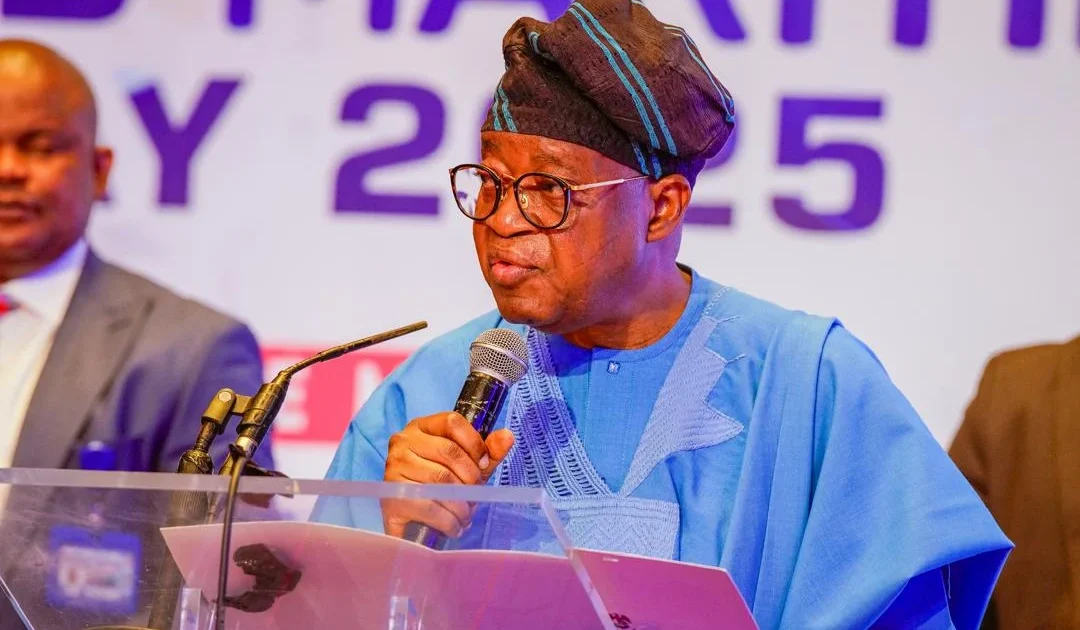
The Sea Empowerment & Research Centre, a maritime research organisation, has warned that trends in Nigeria’s fisheries and aquaculture sector show that domestic fish production continues to lag significantly behind national demand.
SEREC added that despite ongoing investments under the Federal Ministry of Marine and Blue Economy, Nigeria still consumes substantially more fish than it produces locally, leaving a considerable supply deficit that is largely met through imports.
The group stated this in its special mid-year maritime security & blue economy bulletin signed by the Head of Research at SEREC, Eugene Nweke, obtained by The PidomNigeria.
SEREC emphasised that the production gap in the fishing and aquaculture sector represents not only a food security challenge but also a missed economic opportunity.
“SEREC’s review of developments within Nigeria’s fisheries and aquaculture sector reveals that local fish production continues to fall significantly below national demand. Despite ongoing investments under the Federal Ministry of Marine and Blue Economy, Nigeria still consumes substantially more fish than it produces locally, leaving a considerable supply deficit that is largely met through imports.
This production gap represents not only a food security challenge but also a missed economic opportunity,” SEREC said.
The body stressed that the fisheries sector possesses enormous potential to generate employment, improve rural livelihoods, strengthen food security, conserve foreign exchange and stimulate non-oil exports if adequately supported through deliberate policy interventions.
It nevertheless lamented that high feed costs, limited access to affordable financing, inadequate cold-chain infrastructure, post-harvest losses, illegal, unreported and unregulated fishing, weak processing facilities and climate-related pressures continue to constrain sectoral growth.
SEREC recommends accelerated investment in commercial aquaculture, fish hatcheries, modern processing facilities, cold-chain logistics, fisheries financing and stronger enforcement against illegal fishing activities.
“A vibrant fisheries industry remains indispensable to Nigeria’s Blue Economy aspirations and should occupy a strategic position within the nation’s economic diversification agenda,” it added.
The group pointed out that securing the nation’s ports against organised transnational crime while simultaneously unlocking the immense economic potential of fisheries and the Blue Economy must remain complementary national priorities.
SEREC therefore called for sustained investment in maritime security architecture, technology-driven trade facilitation, institutional collaboration, fisheries development and private sector participation to position Nigeria as a secure, competitive and globally respected maritime nation.
“Only through coordinated policy implementation and stakeholder commitment can Nigeria fully realise the economic, security and developmental benefits of its maritime resources,” it concluded.







Trump’s battering left me with ‘post traumatic stress disorder’: Rosie O’Donnell

Fresh Details on PFIPC Probe Emerge as ICPC Grills Adeyemi Adeniyi In Detention

English pubs, clubs and music venues to get 20% cut to business rates from April

Late Night Rags on Trump and His Cabinet Joining TikTok

Micheál Martin to meet Ukraine’s Volodymyr Zelenskiy in Kyiv

Trump ordered by judge to reveal financial records in BBC defamation case

Elliot Page Explains Why He Was ‘Terrified’ to Take on the Role of Sinon in ‘The Odyssey’

 Society3 days ago
Pepper Seller Caught On Camera Applying Pepper On Newborn Baby As Rituals To Usher Her Into The Business
- Investigation2 days ago
65-year-old married female teacher blindfolded and tied 10-year-old schoolboy to bed before having s3x with him
- Investigation2 days ago
âBusinesses are dy!ng in South Africa. Nobody is making money – South African man decries low patronage days after anti-immigrant protest
- Society3 days ago
“My ₦5 Million Is Gone!” — Destiny Etiko Vows Never to Bet Again After First Football Wager
- Investigation3 days ago
âResurrection of the Christâ writer reveals actor Mel Gibsonâs dark spiritual warning about âPassionâ sequel
- Investigation2 days ago
"I ‘m fine and healthy" – Video of late Mary Habila debunking her d3ath rumours 3 days before she d!ed at Umahi’s residence
- World2 days ago
Trump Is Caught in the Trap He Set
- Investigation3 days ago
Army, hunters rescue kidnapped victim along BenueâNasarawa border