Breaking
NADDC builds EV, CNG infrastructure in 16 universities — DG

Advertisement
Advertisement
The National Automotive Design and Development Council, NADDC, is building Electric Vehicle, EV, and Compressed Natural Gas, CNG, infrastructure in 16 universities to support Nigeria’s transition to new-energy vehicles.
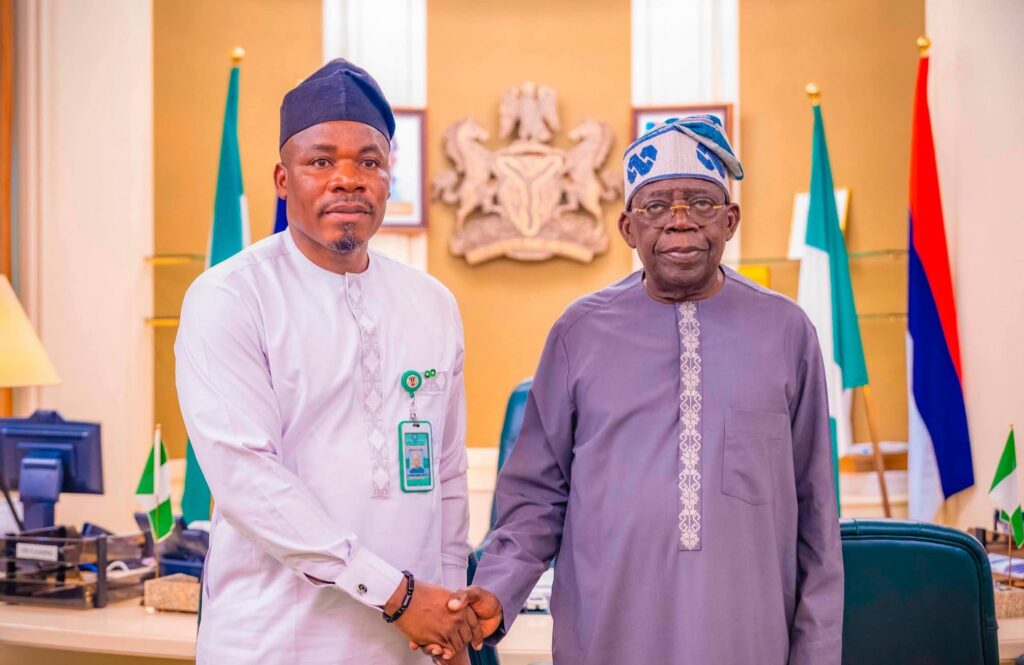
Joseph Osanipin, Director-General of NADDC, disclosed this on Wednesday after briefing President Bola Tinubu on the council’s activities at the Presidential Villa, Abuja.
Mr Osanipin said the infrastructure investment was part of efforts to build the technical capacity required to sustain the adoption of CNG and electric vehicles.
He said the council was also investing in personnel development, stressing that the adoption of new automotive technologies required adequate skills and supporting infrastructure.
“When you talk about new energy vehicles, you are talking about CNG and electric vehicles. These are going to be a main focus of this administration, pushing for their adoption.
“So, my coming here today is to brief the President about our activities and the capacity we are building to sustain this adoption, because you cannot adopt new technology without building the capacity and personnel required to operate it.”
Mr Osanipin said the council also briefed Tinubu on its infrastructure investments in universities, additional investments required to support the automotive sector and progress on the draft amendment to the NADDC Act.
He said the government’s CNG policy was already generating benefits, although infrastructure and investments were needed before the full impact could be felt.
“You cannot put a policy in place today and start having the immediate impact. For example, with CNG, you need filling stations, mobile refuelling units, production facilities and adequate gas supply.
“These are the investments that are taking place, and as more firms invest in the sector, gas will become increasingly available across more states,” Mr Osanipin said.
He said about 81 firms had been licensed to retail gas, describing the development as evidence of growing investment in the CNG value chain.
The NADDC boss said increased availability of CNG was already reducing transportation costs for some users, particularly those operating converted vehicles.
He said some fleet operators were also benefiting from the policy, adding that the next priority was to ensure that the gains from reduced operating costs were reflected in prices paid by ordinary Nigerians.
“We have seen a lot of people benefiting, but some have refused to transfer the benefits to the masses. That is going to be the next stage.
“We want to ensure that all the infrastructure is in place and everything is running properly. We will then strengthen enforcement to make sure that these benefits get to the masses,” he said.
Mr Osanipin said NADDC had already provided relevant infrastructure in 16 universities, describing the initiative as part of the council’s efforts to develop a skilled workforce for the emerging automotive technologies.
He also disclosed that the first batch of electric vehicles promised by President Tinubu for civil servants had been delivered, describing the development as the beginning of wider EV adoption.
“The first batch of the electric vehicles President promised civil servants was delivered today (Wednesday), and they are all electric vehicles.
“This is the beginning of more and more that will come,” he said.
The Head of the Civil Service of the Federation, Didi Walson-Jack on Wednesday inaugurated 100 electric mass transit buses for federal civil servants as part of efforts to ease transportation challenges and enhance productivity.
NAN

Nigerian âlesbianâ cries out for âjustice â after her girlfriendâs father allegedly forced her to end their relationship and marry a man he chose for her

Two Fulani herders arrested after attack on farmers in Plateau community

Singer Selena Gomez accused of using mental health for financial gain

Man arrested for allegedly pouring meth into a baby’s sippy cup

Chelsea are closing in on a â¬40m deal to sign Nigerian-born Atalanta defensive starlet Honest Ahanor

Ododo gifts N20,000 each to corps members as Kogi NYSC orientation ends

Iâd be worth â¬150m If I played in todayâs football era â Yakubu Aiyegbeni

 Investigation3 days ago
ISWAP leader orders Shura council memberâs execution over defiance
- Investigation2 days ago
How I survived as my husband and two children di£d after eating amala â Widow speaks
- Investigation1 day ago
Former BBNaija star Ike Onyema issues warning amid photographer David Martins and wife Alicia Daniellaâs drama; claims that gospel singer Neon Adejo flirted with Alicia
- Investigation3 days ago
Bayelsa police rescue woman after 26 days in kidnappersâ den, arrest suspect
- Society3 days ago
Truck Driver Documents How Police At Tema Harbour Entrance Demand ¢20 Bribes But “Kills” Stubborn Drivers Who Fail To Pay
- National2 days ago
Nigeria’s envoy to India presents letters of credence
- Investigation1 day ago
Kano man opens fire at neighbourâs wedding ceremony over loud music, k!lls one guest and injures four others
- Politics2 days ago
Nigeria’s latest inflation figures paradox of conflicting narratives – Ife