Breaking
Sokoto, Kaduna, Adamawa, 10 others risk flash flood in August – NiMet

Advertisement
Advertisement
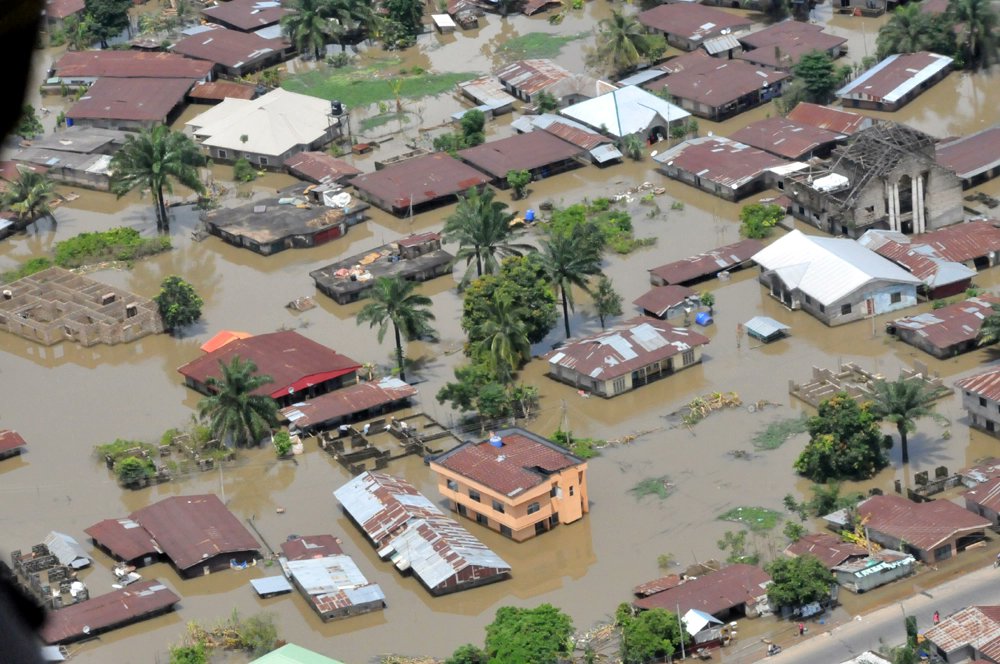
The Nigerian Meteorological Agency, NiMet, has predicted possible flash floods in 13 states between August 11 and 20, 2026.
The agency issued the warning in an advisory posted on its X handle on Tuesday.
The statement listed Sokoto, Zamfara, Kebbi, Niger, Kaduna, Nasarawa, Adamawa, Plateau, Benue, Kogi, Taraba, Cross River and Akwa Ibom as states at high risk.
NiMet said the outlook was based on forecast rainfall intensity, soil moisture, drainage capacity, terrain and dam characteristics.
It said the advisory was intended to support early preparedness, emergency response and disaster risk reduction.
According to the agency, the flash floods could occur in flood-prone, low-lying, urban and riverside communities, with possible impacts including road closures, traffic congestion and transport disruptions.
It also warned that flooding could temporarily disrupt electricity and telecommunications services, while heavy rainfall could reduce visibility and affect road and aviation operations.
The statement noted that waterlogging could damage farmlands, crops and livestock, while flash floods could destroy roads, bridges, drainage systems and other critical infrastructure.
It added that stagnant floodwaters could increase the risk of waterborne diseases.
NiMet advised residents to follow weather forecasts and flood alerts from the agency and emergency management authorities.
It urged the public to avoid walking or driving through flooded roads, bridges and fast-flowing water, and advised people in vulnerable areas to remain alert and be prepared to relocate to safer locations if necessary.
The agency also urged emergency management authorities to strengthen surveillance, pre-position response teams and maintain emergency preparedness.
It advised farmers to improve drainage on their farms and move livestock, machinery and harvested produce away from flood-prone areas.


Hollywood Actor Joshua Jackson and model Olivia Burgess confirm dating rumors with PDA

Baby Rescued Alive From Earthquake Rubble in Colombia as Dramatic Moment Is Captured on Video

Breaking: Osun 2026: IGP Disu deploys senior officers

Teenager drowns in pond in Kano

Man laments as "wife material" he met on Facebook and liked disappears after he sent her money to cook for him

Tinubu Aide Backs APC Candidate Ahead of Osun Election

Ogun Government Moves to Protect Workers Health
- Investigation2 days ago
âTribalism is one of Nigeriaâs problems. Voting for someone solely because of their tribe doesnât exempt you from the consequences of that b@d choiceâ â Solomon Buchi
- Investigation2 days ago
âPeople who arenât financially stable should legally not be allowed to have childrenâ â TikToker Shirin doubles down amid backlash
- Society3 days ago
Thief Tears Through Ceiling Of A Young In Lapaz, Makes Off With ¢50,000 And Belongings
- Investigation3 days ago
âTemitope Osoba died at a police stationâ â Late actressâ fiancé claims, dismisses cancer, poisoning rumours
- Investigation2 days ago
Kano court remands woman accused of cutting off boyfriendâs genital
- Investigation2 days ago
AFC, UEFA, CONCACAF demand review of Infantinoâs failed FIFA deal
- Investigation2 days ago
Police arrest alleged fake âpastorâ over Jerusalem pilgrimage scam
- Investigation2 days ago
âMy twins are so beautiful, sometimes me and my wife just look at ourselves and say, âWe dey create oââ â Davido talks about family

