A Nigerian woman born without fingerprints has shared the challenges she has faced with biometric identification systems, including during JAMB examinations, the NYSC programme and banking transactions.
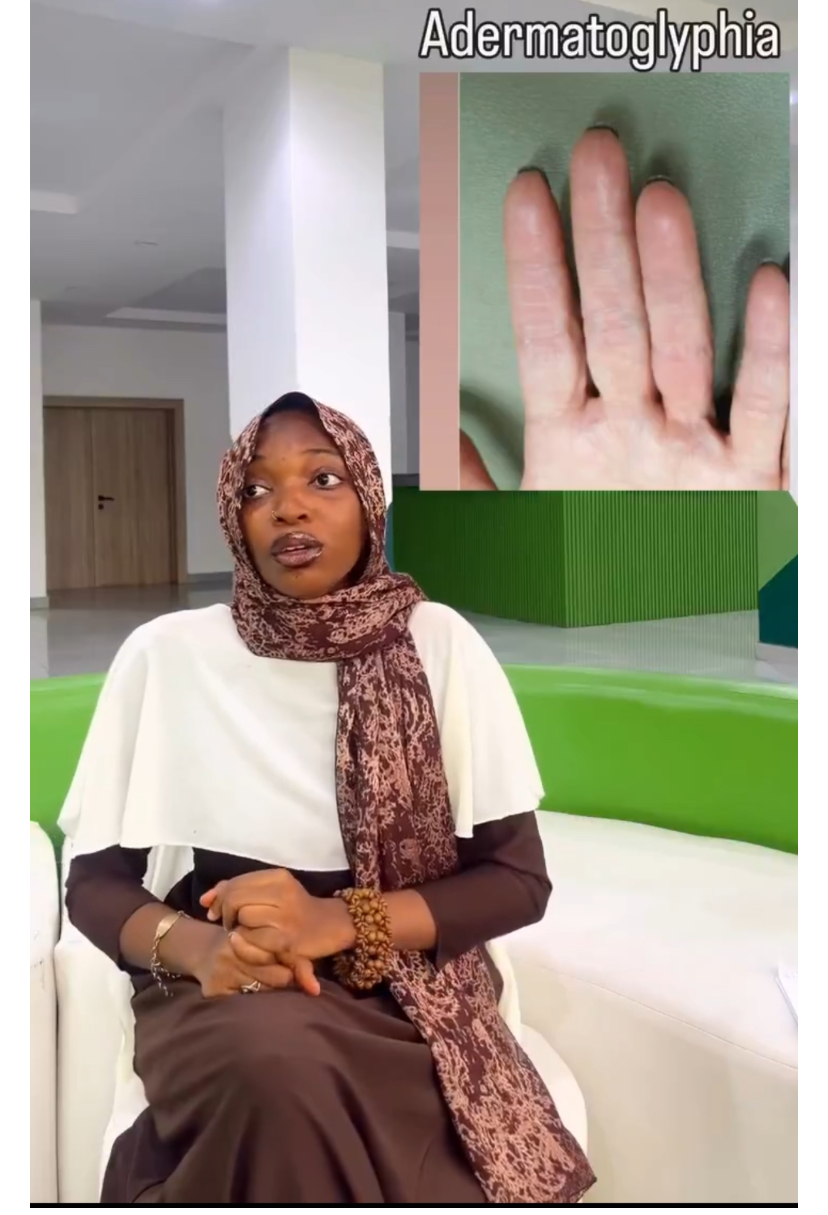
The woman, who uses the Instagram handle J for Jidds, said she discovered she had the condition in 2017 while registering for her first JAMB examination.
She recalled spending an entire day at the registration centre with her father after officials struggled to capture her fingerprints.
“I stayed there the whole day with my dad. I watched over 200 people register before me. It was—I cried,” she said.
According to her, officials tried different methods to make her fingerprints readable, including sand, spirit, methylated spirit, chalk and even watermelon.
“I had to scrub my hand on a stone at a point. And then I got to register,” she said.
She said the challenge continued during the examination, as she sometimes managed to authenticate her fingerprint to enter but could not do the same when leaving.
She added that biometric verification had also made her NYSC experience and banking transactions difficult.
“Living in Nigeria without fingerprints has been terrible, honestly. From NYSC to JAMB to the bank, to any other thing that needs biometrics. I always have anxiety. It has been frustrating,” she said.
During her NYSC programme, she said she had to use part of her foot for biometric verification because the ridges on her toes were also faint.
The woman also recalled being subjected to misconceptions because of her condition, with some people calling her a ritualist.
She identified the condition as adermatoglyphia, a rare condition characterised by the absence or near-absence of the ridges that form fingerprints.
She questioned why institutions that require biometric verification do not have clearer provisions for people living with the condition.
“If they have knowledge of this issue, why is it that there’s no provision for people like us?” she asked.
A dermatologist, Dr Folakemi Cole-Adeife, advised people with the condition to seek medical confirmation and obtain documentation that can support exemption from fingerprint biometrics.
She said a consultant dermatologist at a teaching hospital can confirm adermatoglyphia and issue an exemption letter to institutions such as JAMB or other agencies requiring fingerprint verification.