Investigation
FCCPC warns petroluem marketers against exploiting Nigerians as oil prices drop globally

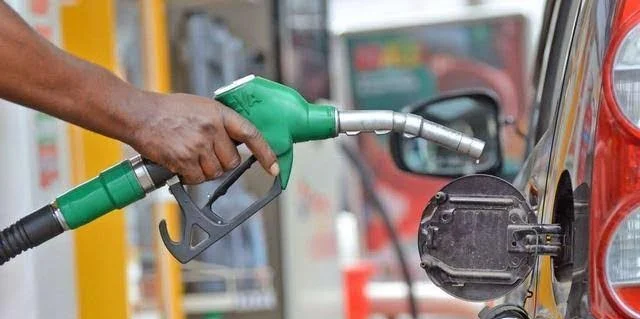

The Federal Competition and Consumer Protection Commission (FCCPC) on Sunday, June 28, warned operators in the downstream petroleum sector against exploiting consumers following their refusal to reduce petrol pump price to reflect the sharp decline in global crude oil prices.
In a statement released, the Executive Vice Chairman/Chief Executive of the Commission, Tunji Bello, said the ongoing surveillance of the downstream petroleum market by the commission had revealed that reductions in gantry prices by local refiners, marketers, depot operators, and retail outlet operators had been marginal and far below current global crude oil prices.
Bello stressed that although the commission does not regulate or approve petroleum prices in the country’s deregulated downstream market, it would not hesitate to investigate and sanction operators found to be engaging in anti-competitive, deceptive, or exploitative practices in violation of the Federal Competition and Consumer Protection Act (FCCPA), 2018.
“To be clear, the Commission does not regulate or approve petroleum prices in a deregulated downstream market. Our responsibility under the Federal Competition and Consumer Protection Act, 2018, is to promote competitive markets, prevent anti-competitive conduct, and protect consumers from unfair, deceptive, and exploitative business practices.
We are concerned that while dealers often respond swiftly by hiking pump prices whenever crude prices rise, it is curious that it is taking forever for consumers to benefit significantly when crude prices fall. Competitive markets must work fairly in both directions.”
According to the FCCPC boss, international crude prices have dropped sharply to about $73 per barrel following the ceasefire agreement between the United States and Iran and the reopening of the Strait of Hormuz, compared with a peak of about $120 per barrel recorded in April at the height of tensions in the Gulf.
The commission noted that crude prices had effectively returned to their February levels, yet the decline had not been matched by a commensurate reduction in domestic fuel prices.
Crude oil prices have declined since the easing of tensions in the Middle East, including the ceasefire between Israel and Iran and the reopening of the Strait of Hormuz.
The earlier spike pushed local petrol prices to between N1,350 and N1,500 per litre, while diesel rose to about N2,000 per litre during the height of the war. However, despite the ceasefire agreements and easing of tensions, petrol still sells for about N1,200 per litre in many parts of Nigeria.
It is expected that the pump price of petrol falls below N1,000 per litre.


Dangerous heat wave impacting large swathes of the U.S. this week

BREAKING: British American Tobacco Cuts 5500 Jobs Globally [DETAILS]

2027: Enugu Catholic Diocese rejects planned Tinubu, Gov Mbah endorsement rally

6/28/2026: Betting on War; The Looting of Cambodia

US and Iran agree to ‘stand down’ after exchange of strikes threatened to break ceasefire agreement

2027: LP would win Abia if INEC conducts election today — Chairman

South Korea coach Hong Myung-Bo quits after criticism from President Lee Jae over World Cup exit

 Breaking1 day ago
UNBELIEVEABLE: Video of A Fat Wife Beating And Flogging Her Slim Husband Sparks Debate Online Among Couples and Youths
- Investigation3 days ago
Stop insulting the intelligence of Nigerian women – Arise TV anchor, Ayo Mario-Ese knocks First lady, Remi Tinubu, over âAkara, Kuli-Kuliâ business advice
- Breaking3 days ago
Ondo state government withholds WASSCE results of graduating students over signing out rampage
- News3 days ago
Oyo School Abduction: Government Launches International Rescue Push as Search Tightens
- Investigation3 days ago
Court orders INEC to deregister Peter Obiâs NDC party over logo infringement
- Investigation19 hours ago
âThe Islamic Republic of Iran will no longer exist!â Trump threatens amid fragile ceasefire
- Breaking3 days ago
Man with âworldâs smallest microp£nisâ launches fundraising appeal for enlargement operation
 News3 days ago
Nigerian Actor Joseph Momodu Completes US Army Training, Becomes Specialist After Emotional Family Tribute