National
Education stakeholders split over FG’s N50,000 WAEC, NECO fee

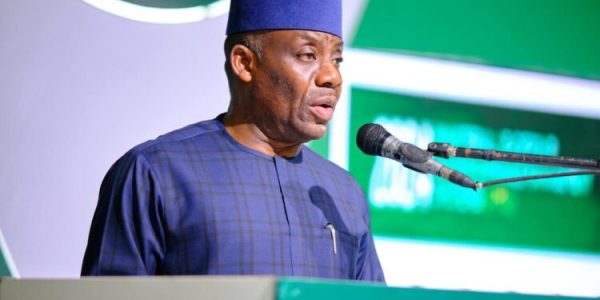
The Federal Government’s approval of a N50,000 registration fee for National Examinations Council (NECO) and West African Examinations Council (WAEC) from 2027 has attracted mixed reactions from education stakeholders.
The stakeholders in the education sector spoke in separate interviews with the News Agency of Nigeria (NAN) on Sunday in Abuja.
Some of the stakeholders described the increase as excessive and unaffordable, warning it could worsen financial pressure on families and students.
Others urged the government to review the decision, introduce subsidies for vulnerable candidates, and ensure any fee adjustment reflects prevailing economic realities and wider stakeholder consultations.
However, some stakeholders supported the review, arguing that improved funding could strengthen certificate verification, digital infrastructure, and service delivery if implemented with transparency and affordability safeguards.
NAN reports the approval was conveyed by the Federal Ministry of Education in a memo dated June 18, 2026, signed by the Director of Senior Secondary Education, Adeniji Ibrahim.
The memo was signed on behalf of the Minister of Education, Dr, Tunji Alausa, following a directive to harmonise WAEC and NECO Senior School Certificate Examination registration fees.
Under the approval, NECO’s SSCE internal fee will rise from N30,000 to N50,000, while WAEC’s will increase from N27,000 to N50,000 from 2027.
Speaking with NAN, an educationist, Beatrice Oke, described the increase as excessive despite acknowledging rising operational and logistics costs.
Oke said: “The percentage increase is too high, although we expected a review after some time due to rising logistics costs.
“However, many average Nigerians may not afford the new fees, and this could force some students out of school.”
She urged the government to review the increase or introduce measures to cushion its impact on low-income households.
She said affordable examination fees were vital to sustaining access to education and preventing more children from dropping out of school.
She also urged governments at all levels to expand subsidies and intervention programmes for vulnerable students to guarantee equitable access to education.
A private school owner, Funmilayo Soyoye, also described the increase as excessive.
She said many graduates seeking employment or admission for further studies might struggle to pay the new fee.
Soyoye said: “Certificate verification is a mandatory requirement for many academic and employment processes and should remain affordable.
“The government should consider the economic realities facing Nigerians before approving such a sharp increase.
“This policy may discourage many young people from pursuing opportunities that require certificate verification.”
Another school owner, who preferred anonymity, urged the government to justify the increase.
The proprietor said any fee review should be transparent and reflect improvements in service delivery.
According to the school owner, certificate verification should become faster, more efficient, and more accessible.
A parent, Alhaji Abdulfatai Ibrahim, appealed to the government to rescind the decision in the interest of students and job seekers.
He said the increase would worsen hardship for families already grappling with rising education costs.
Ibrahim urged the authorities to engage stakeholders and adopt a more moderate pricing structure.


2027: Kano Governor Yusuf Announces Running Mate for Governorship Election

Obi bemoans renewed killings in Benue, Plateau

Spain’s wildfire leaves 13 de@d

At least 2 killed in shooting at Toronto street festival, police say

Anambra: Blogger faces trial over alleged fake stories on Soludo, son

2026 World Cup: Why England will beat Argentina – Ian Wright, Gary Neville

SERAP Drags INEC to Court Over Alleged ₦800bn FAAC Diversion by APC Governors for Tinubu’s 2027 Campaign

 National1 day ago
At Last, Fresh Video Showing How Some Of The Terrorists Was Arrested During Rescue Of Oyo Schoolchildren Emerged [WATCH HERE]
- News22 hours ago
Army officer killed during rescue of kidnapped Oyo pupils, teachers buried

 Investigation3 days ago
EU tells Meta to change Facebook and Instagramâs âaddictive designâ or face fines
- World2 days ago
Runner gored in the face at Spain’s San Fermin bull run festival
- Investigation2 days ago
â"I want my wife submissive but I don’t want a daughter like that" Man reveals what he expects of his wife and how he’s raising his daughter to be the opposite of that
- Investigation2 days ago
âI bought houses for my family members so that they can never be homelessâ – Jay-Jay Okocha
- News2 days ago
Police SFU nab suspect over alleged ₦3bn cyber fraud
- Breaking2 days ago
â"Your marriages are not working because you’re l£sbians" Actress Shan George slams married women who are divorcing and blaming their husbands