Breaking
FRSC introduces new safety rules for electric, CNG vehicles

Advertisement
Advertisement
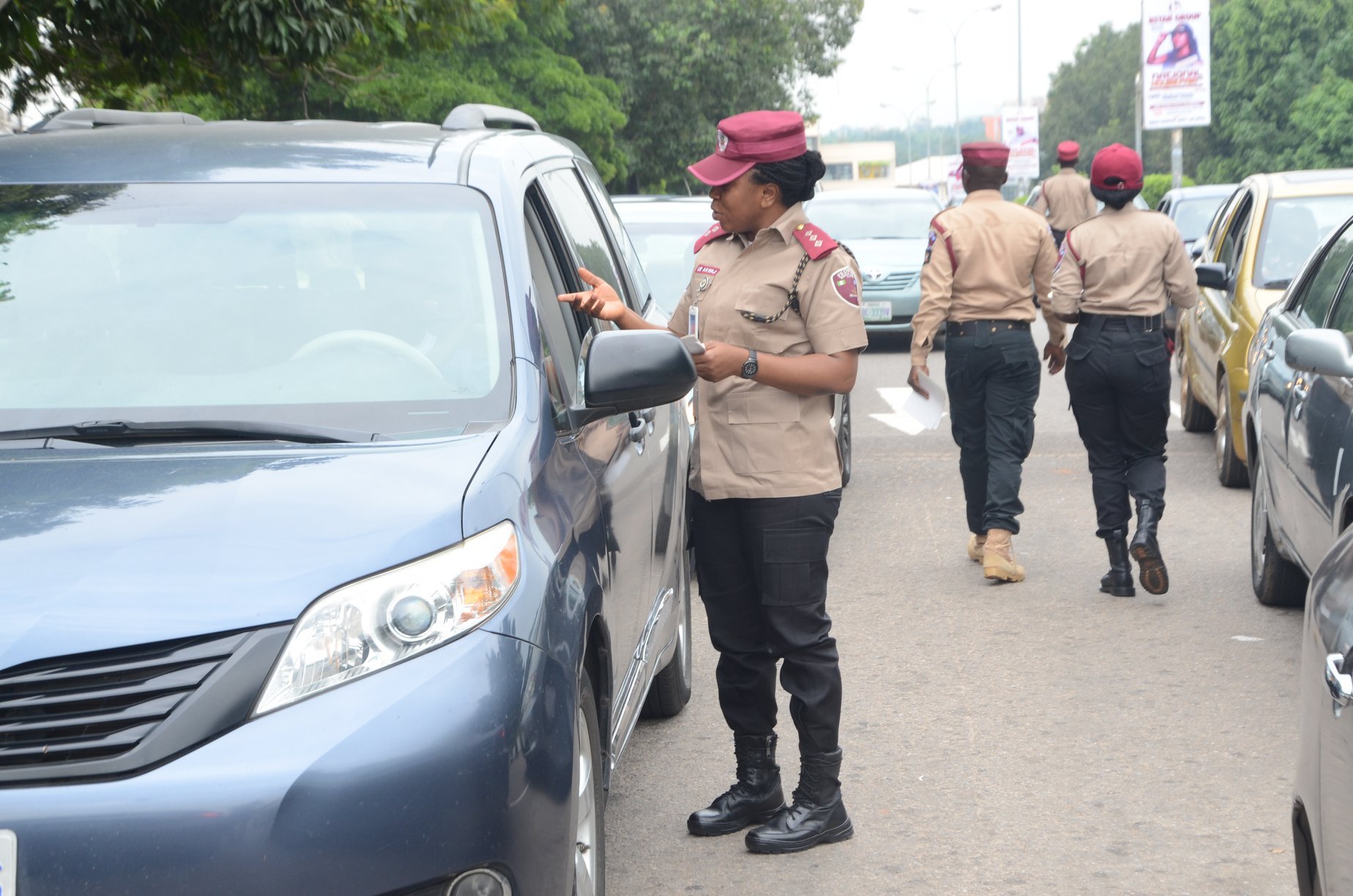
The Federal Road Safety Corps, FRSC, is putting in place a safety, regulatory and enforcement framework for seamless adoption of Electric Vehicles, EVs, and Compressed Natural Gas, CNG, vehicles across Nigeria
The Corps Marshal, Shehu Mohammed said this at the 3rd Nigeria Auto Industry Summit, NASIU.
This is contained in a statement by the Corps Public Education Officer, CPEO, Osundu Ohaeri, and made available to newsmen in Abuja on Thursday
Mr Ohaeri said that the summit was organised by the Nigeria Auto Journalist Association, NAJA, in collaboration with the National Automotive Design and Development Council, NADDC, in Lagos on Thursday.
“The summit had as theme “Nigeria’s Clean Mobility Future: The EV and CNG Journey Under the Bola Tinubu Administration”.
Delivered a paper titled “The Safety of Electric Vehicles (EVs) and Compressed Natural Gas (CNG) Vehicles on Nigerian Roads”, Mohammed said that the framework was a reaffirmation of the corps commitment to the successful implementation of President Bola Tinubu’s Renewed Hope Agenda (RHA).
He also said that Tinubu’s bold reforms in the transportation and energy sectors had positioned Nigeria to embrace cleaner, safer and more cost-effective mobility.
He added that the reforms had accelerated economic growth, reduced dependence on fossil fuels and promoted environmental sustainability.
He emphasised that the success of the initiative must be anchored on a robust road safety ecosystem driven by effective regulation, technical standards, public education and emergency preparedness.
The corps marshal explained that the FRSC had strategically aligned its operations with the Federal Government’s clean energy transportation policy by strengthening vehicle inspection protocols for CNG-powered and converted vehicles.
“This enhances emergency response capabilities, improves crash reporting through the National Crash Reporting Information System (NACRIS), and intensifies nationwide public enlightenment campaigns on the safe use of emerging vehicle technologies.
“These measures are designed to build public confidence while ensuring that the transition to cleaner energy does not compromise road safety,” he said.
According to him, FRSC is actively collaborating with the Presidential Initiative on Compressed Natural Gas (Pi-CNG), the NADDC and the Nigerian Midstream and Downstream Petroleum Regulatory Authority, NMDPRA.
“The corps is also in collaboration with the the Standards Organisation of Nigeria (SON), the Nigerian Electricity Regulatory Commission (NERC), the Nigerian Institute of Transport Technology (NITT) and other strategic partners.
“These partnerships will aid in developing a comprehensive framework for the safe deployment of Electric and CNG vehicles nationwide.”
The FRSC boss also said that the collaboration covered the operationalisation of the National Gas Vehicle Management System, NGVMS, development of Standard Operating Procedures (SOP), coordinated inspections and emergency response protocols.
He further said that that the partnerships include dedicated EV/CNG number plates, structured data sharing and sustained public awareness campaigns.
He explained the functionalities of the FRSC Mobile Application which was designed to help motorists navigate through the new regime of mobility in Nigeria.
The corps marshal revealed that the FRSC was supporting the pilot deployment of EVs in Abuja, while working with relevant stakeholders to ensure that all converted and factory-built CNG vehicles comply with established safety standards.
He said that periodic inspections, certification of conversion centres, specialised training for emergency responders and continuous stakeholder engagement remained critical to achieving a safe and successful clean mobility transition.
Mohammed highlighted the environmental and economic benefits of EVs and CNG vehicles and emphasised that innovation must always be matched with responsibility.
He called on vehicle owners, transport operators, conversion centres and industry players to adhere strictly to approved safety standards, stressing that public safety remained the cornerstone of Nigeria’s clean mobility journey.
He commended the president for his visionary leadership in driving Nigeria’s clean energy transition.
He described the administration’s investment in alternative fuel transportation as a transformative policy that would reduce transportation costs, improve energy security, create jobs, stimulate local automotive development and position Nigeria among the leading nations embracing sustainable mobility.
The road safety boss assured Nigerians that the FRSC would continue to provide the technical leadership, regulatory oversight and operational support required to ensure that the RHA on clean transportation delivered its intended benefit for present and future generations.
The summit brought together policymakers, regulators, automobile manufacturers, energy experts and other industry stakeholders to chart a sustainable path for Nigeria’s transportation future.
NAN


For The Fashionistas: ComplexCon Announces ThriftCon Live at ComplexCon, The Largest Vintage Experience In The Festival’s History

Ododo urges Nigerians in UK to support Tinubu’s reforms, invest in Kogi

‘I’m just stuck’: Meet the former OpenAI researcher sitting on $700K of equity that he says is overvalued

We have achieved 80% of our interventions — Alkali, NDC MD

Families cry out as terrorists reject N155m ransom for 176 Kwara abductees

Trump’s own judge flags ‘shortcomings’ in ruling on ‘mandatory detention’

Court Orders Runtown to Return to Eric Many Record Label, Restrains Performances Without Label’s Consent

 Investigation3 days ago
Bandits abduct 13 passengers on JosâKano highway, police rescue 9
- Society3 days ago
H1 2026: FCMB Group sustains performance, Reports 99% growth in profit before tax to ₦157.3 billion
- Society3 days ago
“We Have Done Everything Possible for Peace, But Adwoa Safo Wants GH¢3.7 Million Before Releasing Our Father’s Body” — Nana Kwadwo Safo Akofena
- Investigation3 days ago
Tinubu will run for third term if Good keeps him alive â Babachir Lawal claims
- News3 days ago
I prayed my grave wouldn’t be in the forest — Oyo school principal
- Investigation2 days ago
âNothing we can doâ- INEC rules out extension of voter registration
- Politics3 days ago
Okpebholo charges newly trained forest guards to secure Edo forest areas
- News3 days ago
Group says expansion of Army divisions will enhance security