Breaking
Ogoniland: Don’t resume oil production until pollution is addressed, Reps member warns

Advertisement
Advertisement
A member of the House of Representatives, Dr Awaji-Inombek Abiante, has warned the Federal Government against resuming oil exploration and production in Ogoniland until substantial progress is made in environmental clean-up and reconciliation with affected communities.
Abiante, who represents Andoni/Opobo/Nkoro Federal Constituency of Rivers, said on Thursday that while energy security and economic growth were important, they must not be pursued at the expense of the health, dignity, rights and future of the Ogoni people.
His position comes amid renewed discussions over the possible resumption of oil activities in Ogoniland, a development that has reignited long-standing controversy over whether crude oil production should return to the area before the environmental damage from decades of oil exploration is fully addressed.
“My position is clear: any proposed resumption of oil exploration or production in Ogoniland must be preceded by genuine reconciliation, environmental responsibility, transparency and meaningful agreement with the people,” Abiante said.
The lawmaker said the proposed return to oil production could not be separated from the unresolved grievances of the Ogoni people, including demands contained in the Ogoni Bill of Rights.
He therefore urged the Federal Government and corporate actors involved in the process to engage directly with affected communities, insisting that any attempt to proceed without broad-based consultation could undermine peace and trust in the region.
Abiante said sustainable peace in Ogoniland must be founded on justice, trust and genuine reconciliation rather than political agreements reached without adequate input from the people.
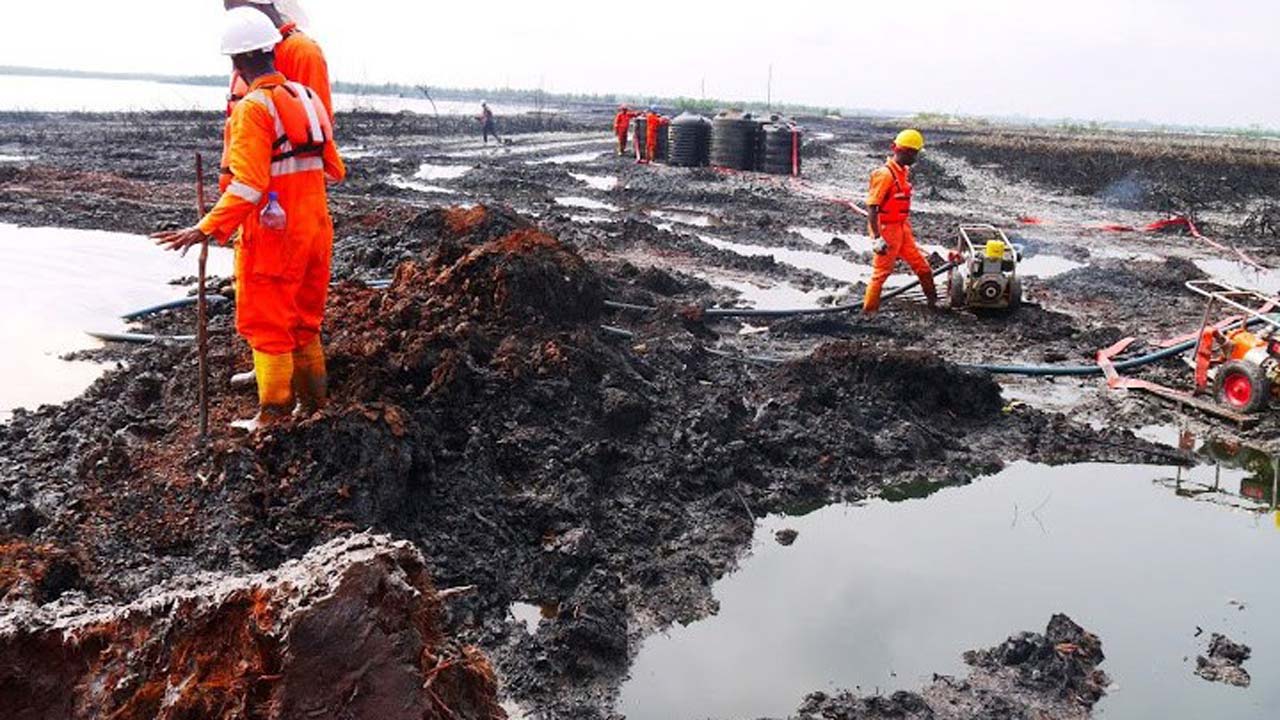
He also demanded substantial and measurable progress in the implementation of the environmental remediation programme recommended by the United Nations Environment Programme (UNEP), which documented extensive pollution and environmental degradation in Ogoniland.
According to him, the restoration of the environment should be treated as a prerequisite for any fresh extraction activities.
“Clean water, restored farmlands, rehabilitated waterways, mangrove restoration and public health protection must be prioritised before new extraction activities.
“The people of Ogoniland cannot be asked to accept new oil production while the environmental consequences of past production remain unresolved,” he said.
The lawmaker’s position highlights the central controversy surrounding the proposed resumption of oil activities in the area: whether fresh extraction should begin while communities are still awaiting the full implementation of environmental remediation measures and the resolution of longstanding grievances arising from oil production.
Abiante further called for greater transparency and wider community participation in ongoing discussions on the proposed resumption of oil activities.
He said legitimate representatives of host communities, traditional institutions, youths, women, civil society organisations and other relevant stakeholders must be involved in the process.
“No agreement reached behind closed doors can substitute for genuine grassroots consent,” he said.
The lawmaker also insisted that any future oil production framework must guarantee tangible and sustainable benefits for host communities from the resources extracted from their land.
He advocated increased investments in healthcare, education, infrastructure, environmental protection, local enterprises and sustainable employment opportunities for youths in the region.
Abiante said Ogoniland and the wider Rivers South East Senatorial District deserved a future beyond environmental degradation and resource exploitation.
“Our people deserve clean air, safe drinking water, productive farmland, healthy waterways, decent infrastructure and genuine economic opportunity,” he said.
He urged the Federal Government, the Office of the National Security Adviser, regulatory agencies, NNPC Ltd., prospective operators and other stakeholders to proceed with caution and transparency.
According to him, the ongoing dialogue over the future of oil production in Ogoniland provides an opportunity to correct past mistakes and establish a new relationship between the government, oil industry and host communities based on trust, justice and shared prosperity.
“Ogoniland must not be asked to choose between development and dignity. We can and must have both,” he said.
NAN


Adeleke presents certificate of return to Tinubu at Aso Rock

Osun APC stakeholders write Tinubu, blame Oyetola for governorship election loss

Shina Peller joins Oyo North senatorial race on APM platform

Adeleke presents certificate of return to Tinubu

Sokoto boat mishap claims 41 lives, 11 rescued — NIWA

Ogoniland: Don’t resume oil production until pollution is addressed, Reps member warns

EFCC arraigns Maryam Isah-Shehu, Abubakar Shuraim-Abdulhamad over alleged cybercrime, image tarnishing

 News2 days ago
Lagos Manager in Court Over Alleged ₦6.1m Warehouse Theft
- Investigation3 days ago
Sad! Veteran Nollywood actor, Taiwo Hassan âOgogoâ battling stage 4 cancer
- News2 days ago
Abuja Flood Crisis: Maitama Structures Face Demolition Over Blocked Waterways
- Investigation2 days ago
âHell is realâ â Solomon Buchi slams Pastor Tobi Adegboyega for trivialising hellfire
- Investigation2 days ago
âI am not going to apologize to Monday Okpobolo,I posted his WAEC results for the people of Edo state to see who is governing them. I feel so bad for his kids- singer, Davido
- Investigation3 days ago
Troops foil mass abduction in Zamfara
- Investigation3 days ago
Four Almajiri d!e after suspected food poisoning in Kano
- Investigation2 days ago
I wouldâve been in Osun if Tinubu wanted APC victory. Thereâs nothing Adeleke can do – Wike