News
EU Approves €2.3m Cholera Aid for Nigeria and Three African Countries

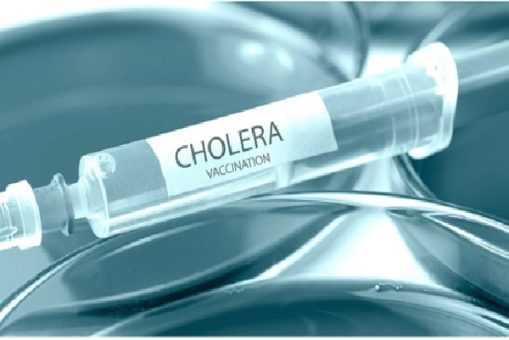
(Cholera Aid. Photo by Nation News)
The European Commission has allocated €2.3 million in emergency humanitarian assistance to Nigeria, Cameroon, the Central African Republic and Chad to contain cholera epidemics.
Nigeria will receive €1.5 million of the approved allocation.
The funding initiative responds to World Health Organisation reporting documenting more than 61,000 cholera cases across Africa in the first five months of the year.
Cholera, caused by Vibrio cholerae bacterium, spreads predominantly through consumption of contaminated water.
Severe infections produce rapid bodily fluid loss, precipitating swift dehydration and shock.
The disease remains uncommon in Europe, with minimal transmission risk from imported instances.
The €2.3 million support will augment intervention team capacity, furnish essential materials including cholera response kits, and finance water, sanitation and hygiene initiatives encompassing public water point treatment and household water systems.
Funding will also intensify epidemiological surveillance in inaccessible regions and reinforce patient management, risk messaging and community awareness efforts.
Cameroon will receive €100,000 for outbreak suppression and patient care, including workforce expansion for ground-based humanitarian organisations, supplementary medications, additional cholera management facilities and oral rehydration distribution in severely affected villages.
The Central African Republic will access €500,000 to expand patient management and vaccination initiatives, alongside water, sanitation and hygiene programmes.
Funding encompasses intensified risk messaging, community participation, surveillance strengthening, case identification and support for dignified and secure burial practises.
Chad will obtain €200,000 to interrupt cholera transmission chains through enhanced water and sanitation access and community engagement for surveillance and patient management.
European Commission leadership characterised the support as directed toward outbreak containment and safeguarding vulnerable populations.
Officials noted that whilst cholera remains preventable and treatable, it continues threatening lives where access to potable water and medical services remains constrained.
They underscored that amid escalating humanitarian requirements and constrained resources, European support continues to facilitate rapid intervention, outbreak suppression and community protection.






Osun 2026: Oyebamiji reacts to INEC declared outcome

Ibadan Market Goes Up in Flames as Millions of Naira in Goods Are Lost

4 Qur'anic School Pupils Die in Kano After Suspected Food Poisoning

Zulum Approves Salary Arrears and Leave Allowances for Borno Workers

Watch Moment Ghanaian Soldiers Forced Two Young Galamseyers To Mop Highway After Their Galamsey Activities Dragged Clay Onto The Road

Oyebamiji Breaks Silence After Defeat as He Raises Fresh Concerns

Philippines School Shooting Leaves Two Dead as Student Livestreams Attack

 Society3 days ago
Man Buys 42 Packs Of KFC’s GH¢15 Anniversary Deal At Sakumono Branch
- Investigation3 days ago
Man alleged to be a lecturer is str!pped and b£@ten by Unizik students after a female student alleged that he molâ¬sted
- Society3 days ago
Man Travels From Volta Region With “Ghana Must Go” Bag To Stock Up On KFC’s GH¢15 Promo
- Investigation3 days ago
âHilda Baci and Dapper are no longer togetherâ â Lawyer reacts after Seyi Vibez drags celebrity chef into music label drama
- Investigation3 days ago
Omotola Jalade-Ekeindeâs daughter shares lovely video from her engagement
- Investigation3 days ago
âI am a well-brought-up Yoruba girl, so the respect you see me show isnât unusualâ â Diiadem responds to new allegations by Ehi
- Investigation1 day ago
Osun election proves voters can beat rigging â Pat Utomi
- Society3 days ago
We Disgrace Ourselves Too Much In Ghana” — Lady Reacts To Massive Crowd At KFC Weija Over GH¢15 Promo, Prays For Heavy Rain To End The Day