Breaking
Iran says US must end Naval blockade before Hormuz reopens

Advertisement
Advertisement
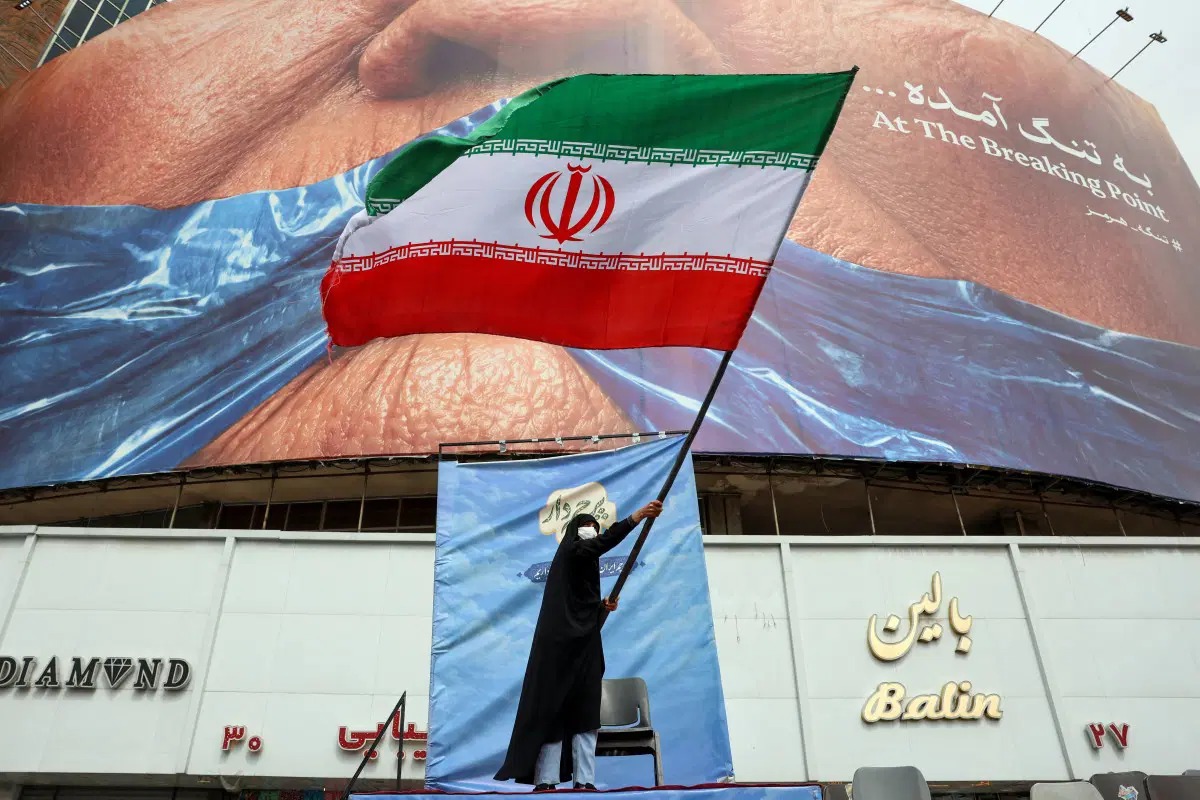
Iran has declared that the full reopening of the strategic Strait of Hormuz will depend on the United States ending what it described as a naval blockade in the Gulf, despite reaching an agreement with Oman on a shipping route through the waterway.
The latest position by Tehran signals that tensions over one of the world’s most important oil transit routes remain unresolved, raising fresh concerns over global energy supplies and maritime security.
Iranian authorities said while discussions with Oman had resulted in an agreed navigation route through the Strait, the passage could not fully resume unless Washington withdrew its naval restrictions in the region.
According to Tehran, the continued presence of US naval forces and what it termed a blockade remain the major obstacles to restoring normal commercial shipping through the strategic waterway.
The Strait of Hormuz is a critical maritime corridor linking the Persian Gulf to the Gulf of Oman and the Arabian Sea. It serves as the main export route for crude oil and liquefied natural gas from major producers, including Saudi Arabia, Iraq, Kuwait, the United Arab Emirates, Qatar and Iran.
Analysts say any disruption to shipping through the strait could significantly affect global oil markets, as roughly one-fifth of the world’s petroleum supplies pass through the narrow channel.
Iran’s latest remarks come amid heightened geopolitical tensions in the Gulf, where repeated confrontations involving Iranian and US forces have heightened fears of a broader regional conflict.
Although Oman has traditionally played the role of a neutral mediator between Tehran and Washington, Iran insists that diplomatic understandings with Muscat alone are insufficient to restore unrestricted navigation.
Tehran maintained that the removal of the US naval presence it considers a blockade remains a prerequisite for the complete reopening of the waterway.
The United States has consistently maintained that its naval deployment in the Gulf is intended to safeguard freedom of navigation, protect international shipping and ensure the security of maritime trade through the Strait of Hormuz.
The renewed standoff comes as global markets continue to monitor developments in the Gulf, with energy traders warning that any prolonged restrictions on shipping through the strait could trigger higher crude oil prices and disrupt international supply chains.


Two Officers Injured as Anti-Immigration Protest Turns Violent in UK Town

Woman Says Doctor’s Decision Not to Tie Her Tubes Became a Blessing After Losing Her Child

Osun election will send strong message to APC – Adeleke

The FOMO of not seeing The Odyssey in 70 mm IMAX

Police raid South Korea’s football HQ as part of probe into woeful World Cup campaign.

"Is Osun State not tired of having a dancing governor? For 4 years he has been dancing – Gov Okpebholo taunts Gov Adeleke

Police in Rivers intensify crackdown on kidnapping, arrest five suspects

 Investigation2 days ago
âWhat kind of brother talks like this?â- Designer, Toyin Lawani slams Jude Okoye over comments about brother Peter’s solo career
- Investigation24 hours ago
Japa: Canadaâs Ontario opens new permanent residence programme for foreign workers
- Investigation2 days ago
2027: Weâll do whatever Tinubu wants us to do at the field â Rotimi Amaechi
- Investigation2 days ago
âI hand over everything to God. You will be in my prayersâ – Jude Okoye responds after brother Peter makes more allegations against him
- Society2 days ago
Man Claims He Lost ₦1 Million After Using Roadside POS
- Investigation2 days ago
US firm initiates moves to stop Tinubuâs meeting with Trump at UN General Assembly
- Breaking2 days ago
"Iâm the mother of a one-year-old, I’m flying her to London for her birthday partyâ â Toke Makinwa says in video
- National1 day ago
Court freezes WEMPCO accounts as executives face jail over ₦61.45 billion UBA debt